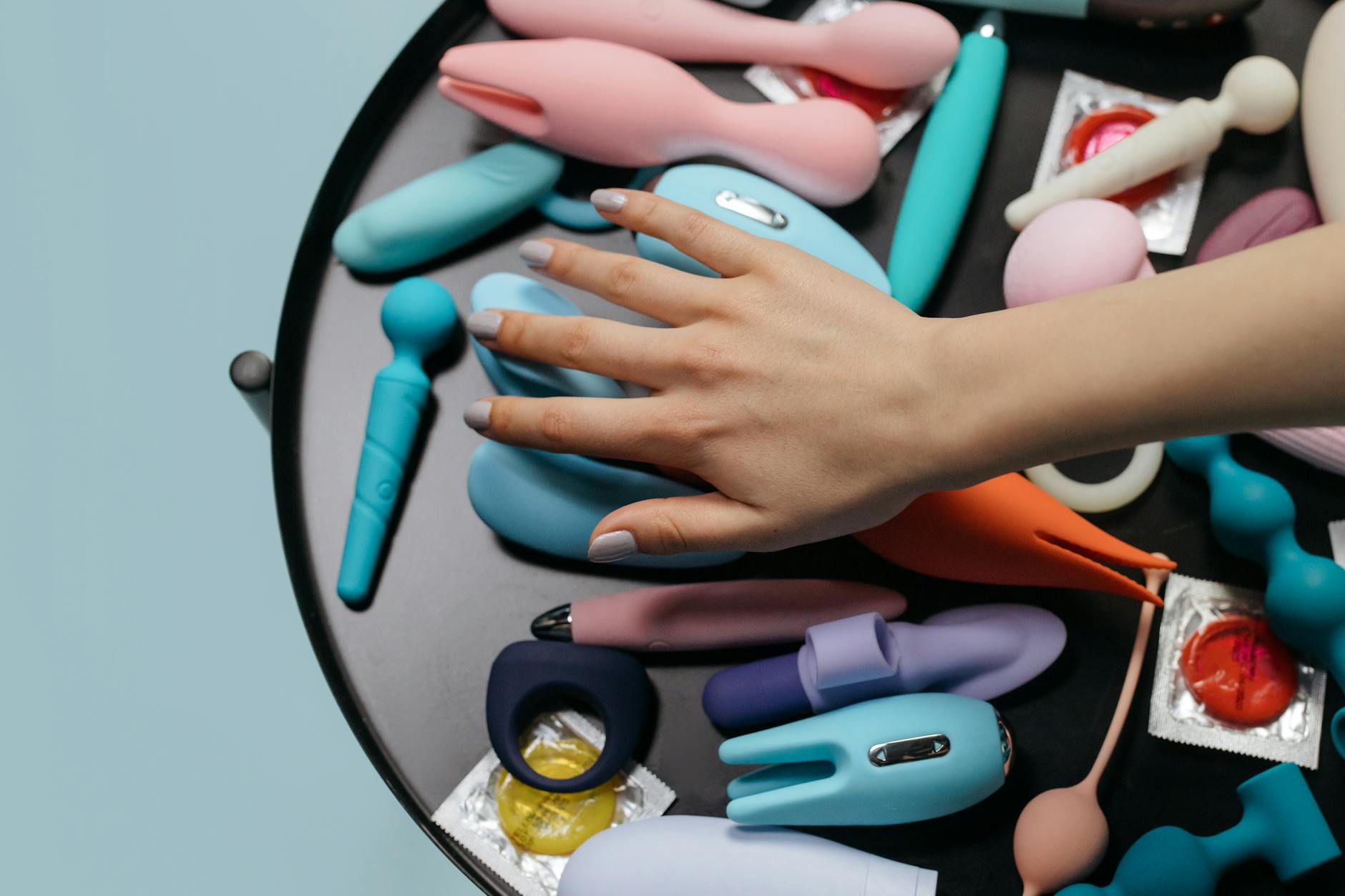
Here's what performance pressure actually does to your body
Your nervous system has two speeds: activation (fight-flight-freeze) and relaxation (rest-digest). Arousal lives in the relaxation side. Performance pressure flips the switch to activation. Your blood vessels constrict. Your pelvic floor tenses up. Your brain runs a loop of self-commentary instead of sensation. Orgasm becomes a task, not a pleasure.
The cruel part? You know what's happening. You're aware that you're not present, which makes you more in your head, which makes arousal harder. It's a feedback loop that most toys don't interrupt because they ask you to keep performing for them. They need you to build momentum. They need engagement.
The Lem works differently.
Why clitoral vibrators break the performance cycle
Most vibrators require escalation. You start slow, build speed, chase sensation. With performance anxiety, that escalation is another form of pressure. Another thing you might fail at. Another reason to check out mentally.
Clitoral suction devices like the Lem don't work that way. The suction pattern stays constant. You're not trying to find the right rhythm or speed. There's nothing to optimize or "get right." The device does its job. Your only job is to stop fighting it.
This distinction matters more than you'd think. When there's literally nothing for you to perform, your nervous system gets quieter. You drop out of the observer role. Your body's natural response takes over.
I've worked with clients who've spent years in performance anxiety and watched them experience their first genuine arousal in a decade once they understood this. Not because the Lem is magic, but because it removed the one variable that was sabotaging them: the pressure to do something right.
The setup that actually matters
When performance anxiety is in the room, your environment becomes the first tool. Here's what shifts the balance.
Lock the door. Seriously. Any part of your brain monitoring for interruption is blocking arousal. Eliminate that variable entirely. Phone in another room. Do whatever it takes so you're not half-listening for footsteps.
Dim the lights or use none. Harsh lighting keeps you in observer mode. You're watching yourself instead of feeling yourself. Warm amber light or darkness helps you drop the third-person perspective.
Set a real timer. Performance anxiety comes partly from "Am I taking too long?" Give yourself 20-30 minutes with zero pressure to finish. When your brain knows you're not on a deadline, the nervous system settles.
Start clothed. This sounds counterintuitive, but it works. Undressing can trigger the "now I have to perform" switch. Stay clothed, relax for five minutes, then gradually remove layers. The slow transition helps your nervous system realize this isn't high-stakes.
How to actually use the Lem when your brain won't quiet down
Start with the device on your thigh or belly. Not your clitoris yet. You're getting your nervous system used to the sensation without the pressure that "the real thing" carries. Notice the suction, the rhythm, the vibration. Your only job is observation, not reaction.
After two to three minutes, move it to your inner thigh. Still not the target, but closer. Let your nervous system acclimate. This isn't rushing toward orgasm. It's gradually signaling safety.
When you do move it to your clitoris, keep your eyes closed. The moment you open them, you're back in observer mode. Stay internal. The suction will feel different depending on your angle, your arousal level, the tension in your pelvic floor. Let those sensations be enough.
Here's the key: your brain will try to check in. "Is this working? Am I getting there? Why isn't anything happening?" When it does, notice the thought, then redirect attention to pure sensation. Not evaluation. Just feeling.
How to Use Lemon Vibrators When Sensation Feels Dull During Partnered Sex covers a different angle, but the nervous system reset applies whether you're alone or with someone.
When your partner is in the picture
Performance pressure often has a second actor. Your partner watching, expecting, waiting for you to "finish" or "respond." The Lem changes this dynamic because the focus shifts from you performing arousal to the two of you together creating conditions for arousal.
If you're using the Lem with a partner present, name the performance anxiety explicitly. "I get in my head when I feel watched. Can we try this with you nearby but not focused on me?" This removes the performance requirement. Your partner isn't waiting for proof of arousal. They're present, but not demanding.
You might also try the Lem while your partner is doing something else adjacent. Reading. Talking. Touching you without watching your face. This creates a sense of "we're together, but you're not grading my response." The pressure drops. Arousal builds.
The nervous system reset that actually works
If you've been in performance anxiety for a long time, your body needs practice recognizing the difference between activation and arousal. They feel similar (increased heart rate, genital sensation) but they're coming from different places.
One powerful reset: before using the Lem, spend five minutes in 4-7-8 breathing. Breathe in for four counts, hold for seven, exhale for eight. This activates your parasympathetic nervous system. Your body registers safety. Then use the Lem.
You'll notice arousal builds differently when you're genuinely calm. It's slower, quieter, less like a sprint. That's not a bad sign. That's your nervous system working correctly.
The patience part (which is real)
If performance anxiety has been running your sexual life for years, arousal doesn't return overnight. Some sessions with the Lem will feel good and full. Others will feel flat. Both are data. Neither is failure.
The goal isn't orgasm. The goal is reclaiming the ability to feel without grading yourself. If you spend 20 minutes with the Lem and feel calm in your body, that's success. If you use it and remember what relaxed arousal feels like, that's success. The orgasm is optional.
How Lemon Clitoral Vibrators Help When You're Rebuilding Sexual Confidence After a Long Break digs into rebuilding from longer absences, but the nervous system framework applies here too.
What to expect as you practice
The first few times, you might feel awkward. That's normal. Your body is learning that pleasure doesn't require performance. That takes time.
Over weeks, you'll notice arousal comes faster because you've stopped fighting it. Your nervous system recognizes the pattern: safe space, the Lem, permission to just feel. That recognition is powerful.
You might also notice that pressure anxiety shows up in other situations now that you're aware of it. Good. That's how you start addressing it everywhere, not just in bed.
Most importantly, you'll start to separate arousal from achievement. That distinction is worth everything.
FAQ: Performance Pressure and Pleasure
What's the difference between performance anxiety and regular nervousness about sex?
Nervousness is situational. You're meeting a new partner, trying something unfamiliar, or feeling vulnerable. It's short-lived and usually passes once you're engaged. Performance anxiety is systematic. It shows up every time. You're convinced you're doing something wrong, that your response isn't "enough," that you're letting someone down. It's a running commentary that doesn't stop even when conditions are good. The Lem helps with performance anxiety specifically because it removes variables you can fail at.
Can the Lem help if my partner is the one creating the pressure?
Partially. The Lem removes self-imposed pressure. But if your partner is actively creating pressure (commenting on your arousal, checking your face, rushing you), that's a relationship issue, not a toy issue. You might use the Lem solo first to rebuild your own relationship with arousal, then have a conversation with your partner about what you need. If that conversation doesn't shift things, talking to a couples therapist might be worth it.
Why does closing my eyes help more than I'd expect?
Your eyes are where the observer lives. Open eyes = you watching yourself. Closed eyes = you inhabiting your body. When you can't see yourself, the feedback loop that creates performance pressure breaks. You're not monitoring how you look or whether you're responding "right." You're just feeling.
How long does it take to stop being in my head during sex?
It depends on how long performance anxiety has been running. If it's been a few months, a few weeks of regular practice with the Lem typically shifts things. If it's been years, expect a few months. The key is consistency, not intensity. Using the Lem twice a week solo is more effective than one marathon session. Your nervous system learns through repetition that arousal without performance is possible.
What if the Lem itself feels like another thing I might "fail" at?
Then start without it. Spend time getting comfortable with pleasure without any device. Once you've rebuilt that basic trust in your own arousal, the Lem becomes a tool, not a test. You're already successful before you turn it on. The device just enhances what's already there.
Does performance pressure ever fully disappear?
For most people, it doesn't fully disappear. But it becomes manageable and quiet instead of loud and constant. You get better at noticing when it's creeping in and redirecting. Over time, your nervous system gets so practiced at arousal that pressure has less power to disrupt it. You build resilience, not perfection.
The real shift
Performance pressure isn't about willpower or trying harder. It's about your nervous system being stuck in the wrong gear. The Lem doesn't fix your nervous system. It gives your body a safe environment where the nervous system can downshift on its own. That's why it works. You're not fighting yourself. You're removing the thing that was fighting you.
If you're ready to rebuild that connection without pressure, that's where to start. And if you want to talk through what you're experiencing, reach out anytime.