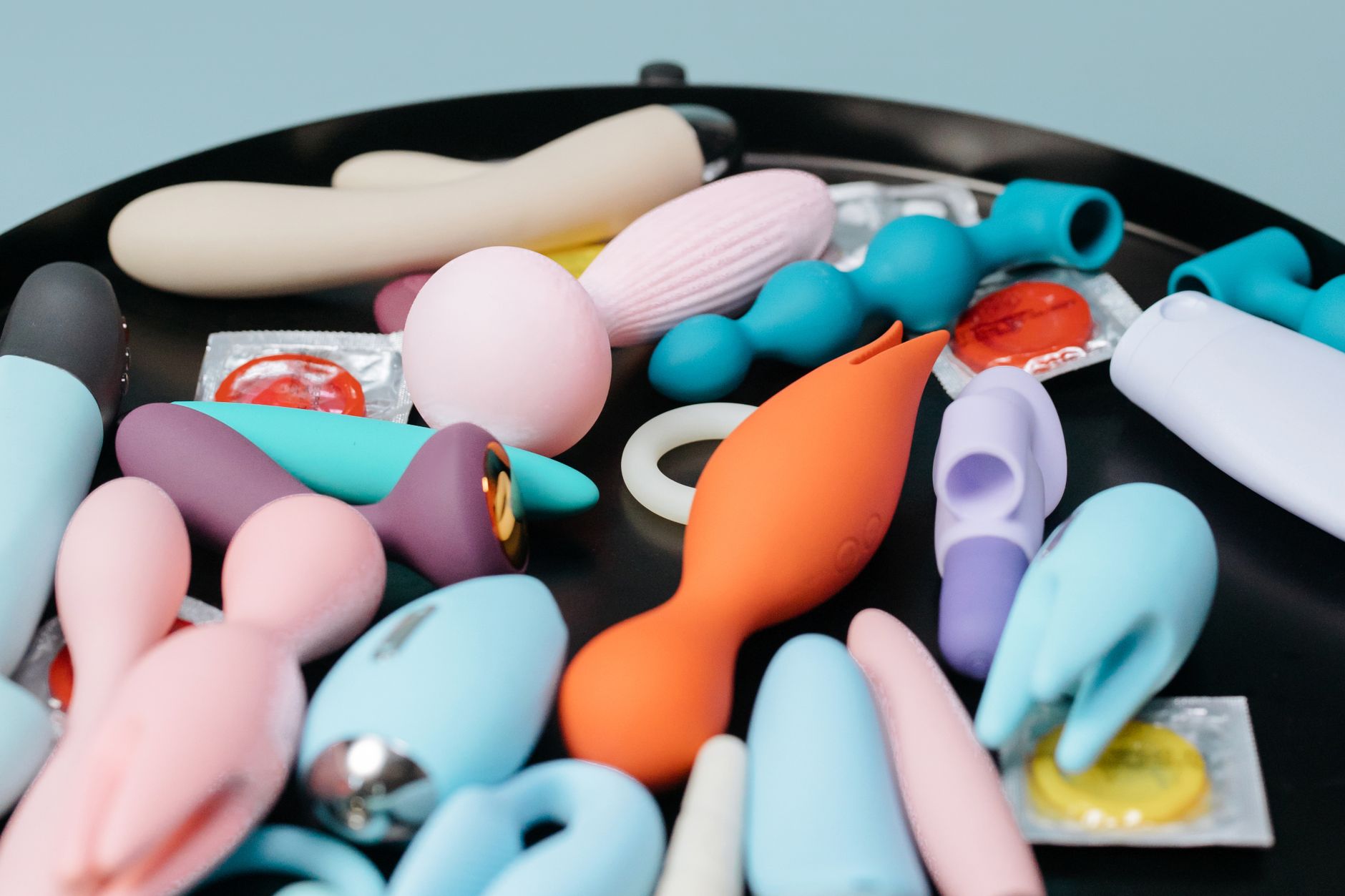
The intensity surprise nobody expects
You press the lemon vibrator against your clitoris for the first time, and something shifts immediately. Not gradually. Not eventually. Right then. Most first-time users report that the sensation feels sharper, more localized, and weirdly... gentler all at once. And the orgasm, when it arrives, often blindsides them with its intensity. This isn't placebo, and it's not marketing magic. There's actual neurology happening.
How suction works differently than vibration
Let's separate the mechanics from the sensation. A traditional vibrator creates pleasure by oscillating back and forth, stimulating the entire clitoral surface at a high frequency. A lemon clitoral vibrator like those from Hello Nancy uses air-suction technology, which gently pulls the clitoral tissue upward and creates a pressure differential. Same end goal—orgasm. Completely different route.
When you use a lemon sucker (the nickname isn't random), the suction draws blood into the clitoris, engorging the tissue and making the thousands of nerve endings there more responsive. Vibration sends a signal. Suction creates a physical state change. That's why first-timers often feel like they're experiencing their clitoris for the first time, even if they've been having sex or masturbating for years.
The clitoris has roughly 8,000 nerve endings concentrated in the glans alone. Suction-based lemon vibrators engage those nerves in a different pattern than traditional vibration. The result is what researchers call "heightened peripheral sensitization"—your nervous system literally becomes more attuned to the stimulation happening right now.
The neural pathway difference
Here's the thing about our nervous systems: they're pattern-recognition machines. Your brain recognizes vibration because you've probably felt it a thousand times—phones buzzing, electric toothbrushes, older vibrators. It's a known quantity. Your nervous system has filed vibration into the "expected sensation" folder.
Suction is different. It's unfamiliar. When your brain encounters something new, it pays closer attention. More attention equals more activation in the sensory cortex. More activation means stronger signals traveling to the pleasure centers. Stronger signals mean more intense physical response.
This is why your first orgasm with a lem vibrator often feels stronger than orgasms you've had before. It's not just the device. It's your nervous system responding to novelty with heightened focus.
Why first-timers feel it more intensely
There's also a psychological component that matters enormously. Expectation shapes perception. If you've never felt suction-based stimulation, you have no reference frame for what "normal" should feel like. You're not measuring it against past experiences. You're just experiencing it.
This absence of comparison is actually a gift. You're fully present in the sensation without the running commentary: "Is this better than usual? Worse? About the same?" First-time users often report that the intensity catches them off guard because they're not braced for it.
After two or three sessions with a lemon sexual toy, many users notice the sensation feels familiar—still pleasurable, still powerful, but less shocking. That's not the device getting weaker. That's your nervous system integrating suction into its filing system. The sensation becomes known, and known sensations register as less intense than surprising ones.
The biological reason suction creates different sensations
Beyond nerve activation, there's a vascular component. Suction pulls oxygenated blood into the clitoral tissue, which creates engorgement. Engorgement changes the tissue's elasticity and how it responds to further stimulation. Many users describe the feeling as building—like the tissue is waking up and becoming increasingly responsive.
Traditional vibration bypasses some of this. A vibrator signals pleasure directly to your nervous system without necessarily creating the same level of tissue engorgement. Both work. Both feel good. But they're activating slightly different systems in your body.
This is why some people prefer lemon vibrators for deeper, longer-lasting orgasms, while others love traditional vibrators for faster, sharper ones. It's not that one is "better." They're literally different tools for different jobs.
The first session sets expectations
If your first experience with a lemon clitoral vibrator is exceptionally intense, that intensity becomes your baseline. On your second use, your nervous system is expecting something similarly powerful. And here's where it gets interesting: you often get it. Expectation affects arousal, arousal affects nerve sensitivity, and sensitivity affects the final experience.
This is why starting with lower suction settings matters for first-timers. If you jump to pattern 5 on the Lem and have an overwhelming orgasm, you might unconsciously tense up the next time, bracing for intensity that might not arrive immediately. Starting lower, building gradually—this helps your body integrate the sensation naturally.
How the lemon sucker compares to other clitoral toys
If you've used air-pulse vibrators before, a lemon vibrator will feel different. Air-pulse technology is usually designed to feel more like a tongue. Suction-based devices create that unique pulling sensation. If you're coming from traditional vibrators, the novelty factor is even stronger.
Many first-time users of lemon sexual toys tell me that the sensation feels less intense initially than they expected, then suddenly shifts. That's not the device ramping up. That's your tissue responding to the suction. Engorgement takes time. The intensity isn't front-loaded—it's cumulative.
What to expect on your first try
First time using a lem vibrator, budget 15-20 minutes. Don't go in expecting an immediate earth-shattering orgasm, because expectation pressure kills arousal. Instead, approach it with curiosity. Start at pattern 1 or 2. Let yourself feel what's actually happening instead of what you think should happen.
Many first-timers describe a "popping" sensation as they transition between patterns. That's normal—it's the suction adjusting. If something feels uncomfortable (sharp pain, not pressure), reduce the suction setting. Pleasure should feel good. Pressure should feel intense but not painful.
After about 10 minutes of exploration, most people find a pattern and intensity that creates a building sensation. Keep going. The first orgasm with a new device is often the most intense because of all the factors we've talked about—novelty, engagement, absence of comparison.
Why sensations change after that first time
Here's what I tell my clients: that first orgasm is incredible partly because it's new. Your nervous system is fully engaged, your body isn't braced against expectation, and the sensation is unfamiliar enough to demand all your attention.
On session two, you know what's coming. You're not braced against it anymore, so you might approach it differently—more confidently, maybe with less intensity required to feel satisfied. Some people report that orgasms actually feel richer later, once they know how to work with the device.
The intensity doesn't disappear. It just shifts from "shocking" to "deeply satisfying." That's not a loss. That's integration.
FAQ: Stronger Orgasms with Lemon Vibrators
Why do lemon vibrators feel more intense than regular vibrators?
Suction-based stimulation engages your clitoral tissue differently than vibration. It creates physical engorgement and activates neural pathways that traditional vibrators don't emphasize in the same way. Your nervous system also pays more attention to novel sensations, which contributes to perceived intensity.
Can I expect intense orgasms every time I use a lemon sexual toy?
Not necessarily the same intensity as that first time, no. Novelty plays a huge role in how intense something feels. After integration, the sensation becomes familiar—still pleasurable, but less shocking. That doesn't mean orgasms get worse; they often become deeper and more satisfying as you learn the device.
Does my body adjust to lemon clitoral vibrators the way it adjusts to other toys?
Yes. This is called habituation. Your nervous system learns to expect the sensation and files it away as known, rather than novel. Some people handle this by taking breaks between uses (a few days apart helps). Others find that varying the pattern or intensity level keeps things interesting.
Should I start on the highest setting to feel that first-time intensity?
No. Starting too high can overwhelm your nervous system and actually reduce sensitivity. Your body responds best when it has time to engage with the suction gradually. This builds arousal naturally and often produces more satisfying orgasms than jumping straight to intense settings.
Why does suction feel gentler but also more intense?
Suction distributes pressure across a wider area than a vibrator point-of-contact, so it can feel gentler on sensitive tissue. Simultaneously, it creates more profound engagement of the tissue itself, which many people experience as deeper intensity. It's both things at once.
Is the intensity from lemon vibrators sustainable long-term?
Intensity shifts from novelty-based to technique-based over time. First-timers often experience that peak-of-novelty intensity. With continued use, intensity comes from better understanding your body's response and how to work with the device. Many people report their best orgasms come after they've used the device for several months and know exactly how to build pleasure.
The takeaway
Your first experience with a lemon clitoral vibrator is uniquely intense partly because the sensation is new to your nervous system. That's not a drawback; it's just how neurology works. Suction-based devices like Hello Nancy's Lem engage your pleasure pathways differently than traditional vibrators. Understanding that helps you approach that first session with curiosity instead of expectation, which usually makes the whole experience better.
The intensity doesn't disappear over time. It transforms. And for most people, that's actually better.