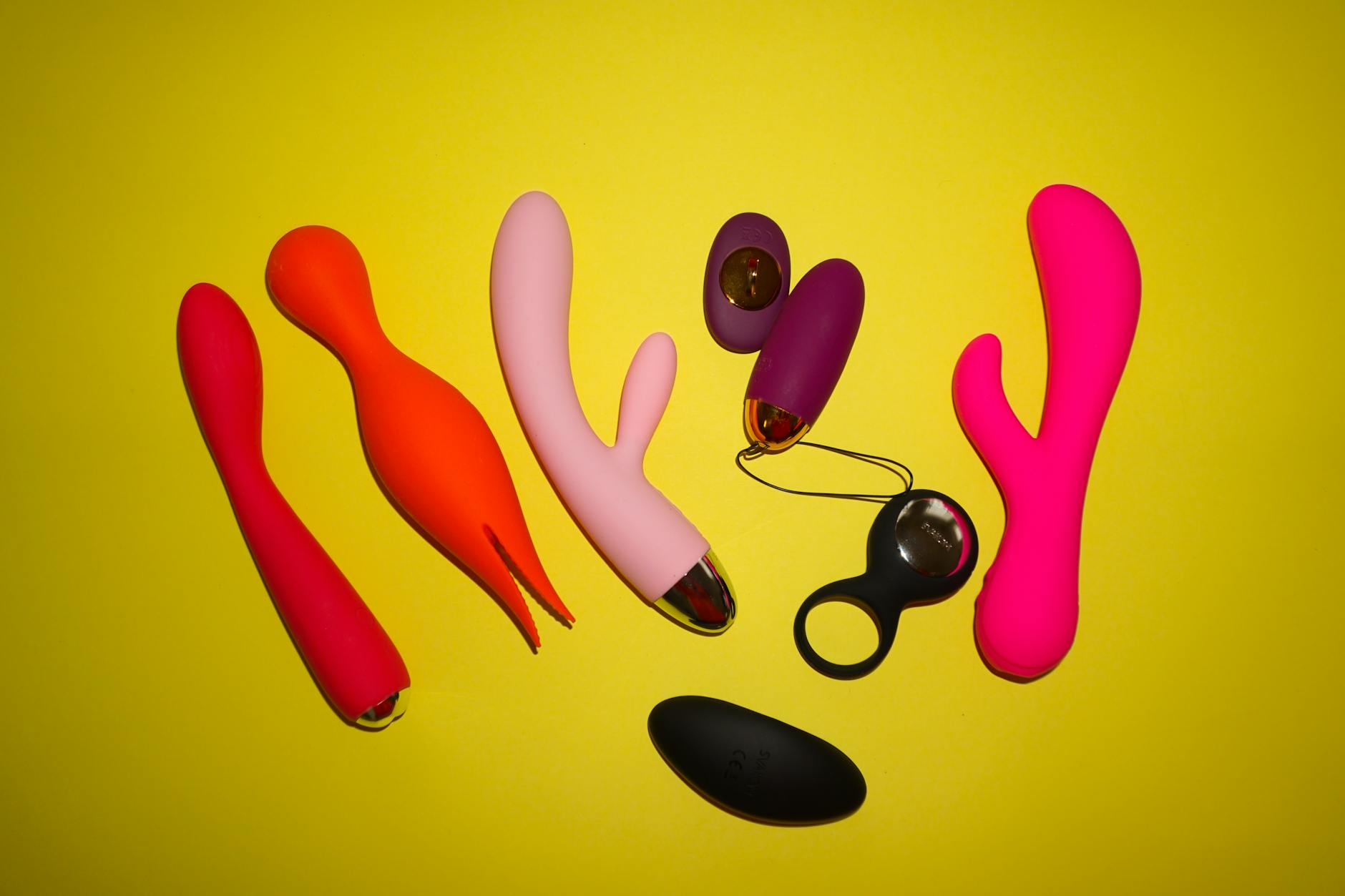
Here's what nobody tells you about the 30s-to-40s shift
Your 30-year-old body and your 40-year-old body are running on different chemistry. Not worse chemistry. Different. And if you've been using a lemon vibrator (or thinking about it), that difference matters in ways that affect how intensely you feel, how quickly you respond, and what pressure works best.
The shift isn't hormonal crash territory yet. Perimenopause doesn't typically start until the mid-40s. But something real does change right around 40, and it has less to do with your ovaries than with blood flow, skin elasticity, and how your nerves actually fire.
I'm going to walk you through what's happening in your body at each decade, why lemon vibrators respond differently to those changes, and what you actually need to adjust to keep things feeling incredible.
What's different at 30
In your 30s, your clitoral tissue is at peak elasticity. Blood flow is robust. Estrogen is steady and abundant. This matters because it means:
Your clitoris is more engorged and firm. The tissue underneath has better structural support. Arousal builds quickly, sometimes in minutes. Sensation feels sharp and direct.
This is when a lemon vibrator's suction function feels almost effortless. The tissue has enough volume that the seal forms quickly and completely. Many women in their 30s report hitting orgasm in 3-5 minutes with a lemon sucker toy, especially if they already know what works for them.
Sensitivity is high but not hypersensitive. You can handle direct contact and sustained pressure without much discomfort. The nerve endings are firing at full bandwidth.
What shifts at 40 and beyond
Somewhere between 38 and 42, several things happen simultaneously.
Blood flow gets subtly quieter. This isn't dramatic. You're not losing circulation. But estrogen's effect on blood vessel function is slightly less efficient. This means your clitoris doesn't engorge quite as fully, and arousal takes a bit longer to build. Instead of 3-5 minutes, you might need 7-10.
Tissue loses a tiny amount of elasticity. The skin and tissue layers thin just slightly. This isn't perimenopause-level change. It's a normal part of aging, and it means the tissue is slightly less plump. For a lemon clitoral vibrator, this actually changes how the suction feels. It might feel sharper, more intense, or require a gentler touch to avoid overstimulation.
Nerve sensitivity patterns shift. Your nerves don't go numb. But the way they respond to stimulation changes. Many women report that sustained high-intensity stimulation becomes less pleasurable and that slower, more rhythmic patterns feel better. Direct vibration (if your lemon vibrator has it) might feel sharper in your 40s than it did in your 30s.
Recovery between orgasms lengthens slightly. In your 30s, you might orgasm, rest 2-3 minutes, and go again easily. In your 40s, that refractory period stretches a bit. This isn't a problem. It just means pacing changes.
How lemon vibrators adapt to your 40s body
Here's the good news: a lemon vibrator actually becomes MORE useful in your 40s, not less.
Lemon suckers work by creating a gentle pressure seal and rhythmic suction. They don't rely on raw vibration intensity. That design is exactly what your 40-year-old body often prefers. Where a traditional vibrator might feel too direct or fatiguing, the suction on a lemon toy distributes pressure more broadly across the tissue.
If you're starting to explore lemon vibrators in your 40s, you have an advantage: the anatomy is already telling you what works. Start on the gentlest suction setting (usually setting 1 or 2 on the Lem vibrator). Let your body guide you up from there, rather than starting high.
The tissue changes also mean warmup time matters more. Your 30-year-old self might have been able to go straight to a toy and enjoy it. Your 40-year-old self will likely have more intense, fuller orgasms if you spend 10-15 minutes with foreplay first, either solo or with a partner. That delay isn't a loss. It's actually more pleasure, stretched across longer.
The arousal timeline difference
This one trips up a lot of women who have been using toys the same way for a decade.
In your 30s, arousal feels binary. You're either turned on or you're not. When you are, things happen fast.
In your 40s, arousal is more of a ramp. It builds gradually. And here's what matters: if you're expecting the sharp, sudden heat of your 30s, you might mistake the slower build for "not being in the mood" when actually you're just getting there differently.
This is partly hormonal (estrogen does control vasocongestion), but it's also neurological. The brain's arousal circuits change with age. You're not losing sensitivity. You're gaining subtlety.
For lemon vibrator users, this means: don't measure success by speed. A 10-minute session with a lemon clitoral vibrator in your 40s might produce a much deeper, more full-body orgasm than a 5-minute session did at 30. Quality, not speed, is what's shifted.
Lubrication and sensation
At 30, many women produce plenty of natural lubrication without much thought. At 40, you might notice you need a bit more help.
This is a completely normal shift. It's not dryness yet. It's just slightly less automatic lubrication. A water-based lube (essential for any silicone toy, including lemon vibrators) becomes less optional and more important. Use it. It's not a sign something's wrong. It's a sign you're tuning the experience to what your body needs now.
Interestingly, many women report that lubricated touch feels even better in their 40s than it did before. The sensation changes subtly. It can feel less sharp, more full-bodied.
The pleasure paradox
Here's what catches people off guard: many women have the most intense orgasms of their lives in their 40s and 50s.
This happens for a few reasons. Your brain knows what it wants. You're less anxious about performance. You're willing to take more time. Your body has learned to respond to different types of stimulation. And honestly, you care less what anyone thinks.
The shift from 30s to 40s isn't a decline. It's a recalibration. A lemon vibrator works with that recalibration beautifully. The suction-based design doesn't demand speed or intensity. It rewards patience and presence.
What to adjust if you already use lemon vibrators
If you've been using a lemon sucker toy in your 30s and you're now in your 40s, here's what to change:
1. Start lower. If you've been using setting 3 or 4, try starting at 2. You can always go up. You can't un-stimulate.
2. Extend your warmup. Add 5-10 minutes of foreplay. Alone or partnered, the extra build time pays off.
3. Pace differently. Instead of one intense session, try switching between patterns or intensities. The variation itself becomes more pleasurable in your 40s.
4. Use lube consistently. Even if you didn't before, start now. Water-based, always.
5. Pay attention to rhythm over sensation. If a pattern feels good at a medium intensity, try letting it play for longer rather than ramping up. The rhythm does the work.
What to know if you're just starting with lemon toys at 40
You might worry that you're "late" to the lemon vibrator game. You're not. Your 40-year-old body is actually better calibrated for what a lemon clitoral vibrator does best.
You know your body. You know what doesn't work. You're less swayed by marketing. Start with the Lem vibrator or another quality option, begin on the gentlest setting, and give yourself permission to take your time.
Many women who first try a lemon sucker toy in their 40s report that it feels more intuitive and more powerful than any toy they used before. That's not coincidence. It's alignment. Your body, at 40, is asking for what this design offers.
Common questions about lemon vibrators and age-related changes
Why does suction feel sharper now than vibration did? The tissue has less fullness, so stimulation concentrates more. This isn't bad. It often feels more intense and direct. Adjust by using lower suction settings and longer sessions.
Is it normal for orgasms to feel different? Completely. The architecture of orgasm changes slightly with age. They often feel less sharp and more expansive. This is typically experienced as better, not worse.
Should I be concerned if I need more warmup time? No. Slower arousal is normal and doesn't indicate a problem. It often means better orgasms if you honor the timeline.
Does estrogen affect how lemon vibrators work? Yes. Estrogen supports tissue volume and blood flow, both of which affect how the suction seal forms and how intense the sensation feels. If you're in perimenopause or using hormonal birth control, you might notice some variation month to month.
Can I use the same lemon vibrator settings I used at 35? You can, but you might prefer lower settings now. The tissue sensitivity has shifted. Let your comfort guide you.
Is it too late to start exploring toys if I'm already in my 40s? It's actually ideal timing. You have decades of experience with your body and less social noise in your head about what you "should" do.
The real shift
The jump from 30 to 40 isn't a decline in pleasure capacity. It's a shift in the landscape. Your body still feels. It still responds. It just does so in a way that's calibrated differently.
A lemon vibrator—whether you're using the Lem or another quality clitoral vibrator—is designed to work with how your body actually functions, not against it. At 40, that design becomes even more relevant.
Your 40s aren't the beginning of the end. They're the middle of the story, and in many ways, the most interesting part. Your body knows this. The question is whether you're willing to listen to what it's telling you.
If you want to understand more about how your body responds over time, read about how to use a lemon vibrator for best results with longer foreplay, which explores the pacing shifts in more depth.
Looking for community or specific advice on navigating these changes with a partner? Start a conversation with us at /contact. We're here to help.