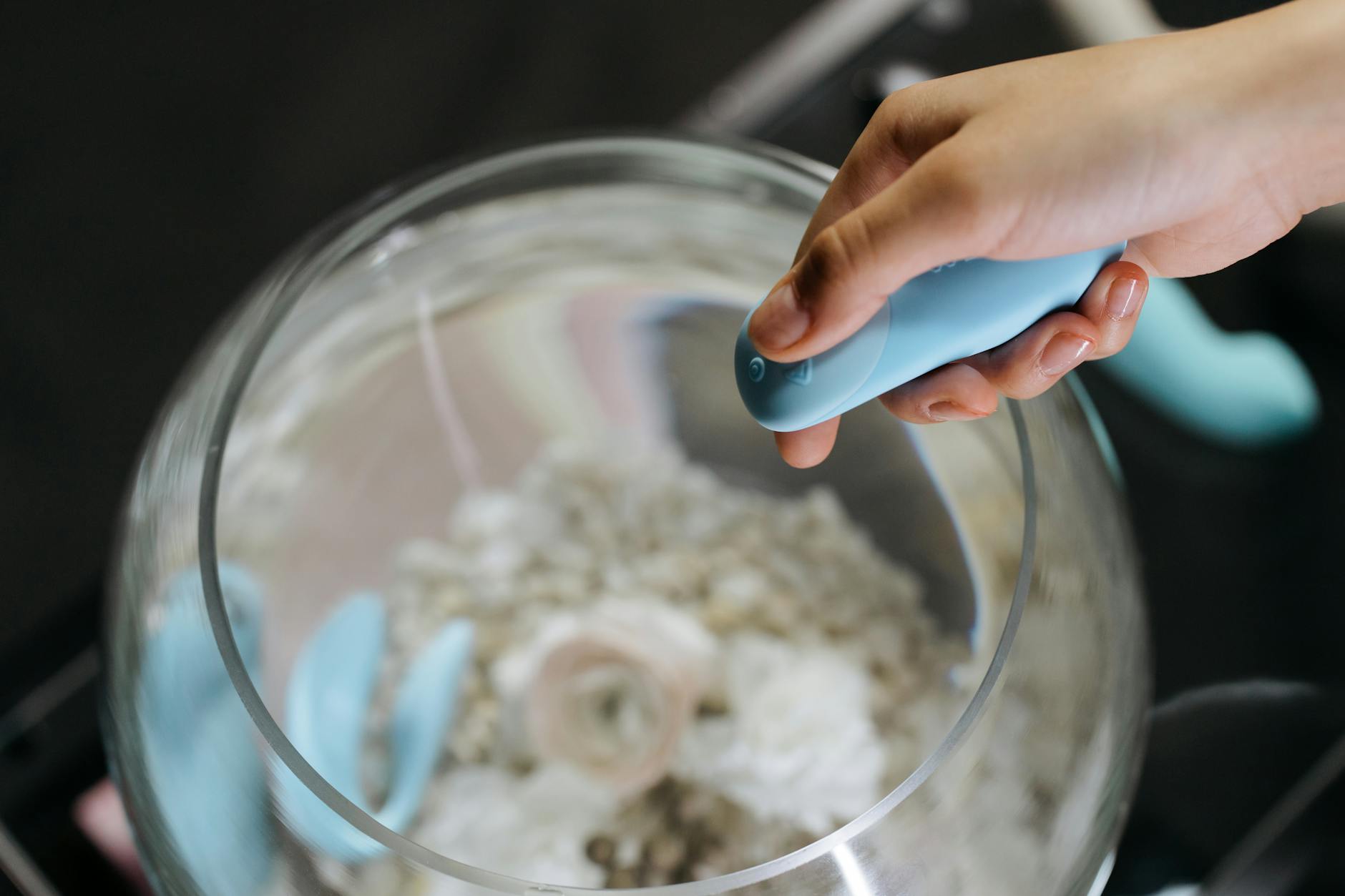
Why Lemon Clitoral Vibrators Feel Different During Hormonal Shifts
Let's be real: if your lemon vibrator suddenly feels less intense than it did last month, or if arousal takes longer to build, your first instinct might be to blame the toy. But here's what's actually happening. Your body's hormonal landscape shifts constantly throughout your cycle, pregnancy, postpartum recovery, and menopause. These shifts change how your nervous system responds to sensation, how quickly blood flows to your clitoris, and how orgasms feel from the inside out. Your lemon clitoral vibrator is working exactly the same way. Your tissue sensitivity, neural response, and arousal timeline are the variables.
Understanding this difference is the gap between thinking something's broken and knowing how to work with your body's actual needs right now.
How hormones change clitoral sensation
Your clitoris is packed with nerve endings, and those nerves respond to hormonal signaling. Estrogen and testosterone both influence blood flow to genital tissue, which directly affects how quickly you become aroused and how intense sensation feels. When estrogen peaks (typically mid-cycle), tissue swells slightly, nerve sensitivity increases, and your clitoral glans becomes more responsive. A lemon vibrator that felt perfect last week might feel almost overwhelming now. Then estrogen drops, tissue thins, and that same vibrator on the same setting feels gentler, more distant.
This isn't in your head. It's measurable, predictable, and completely normal.
Progesterone (the hormone that rises after ovulation) also shifts things. Many people report that sensation feels duller or more muted during the luteal phase, when progesterone is high. Your body is also more sensitive to touch pain during this window, which means higher intensity settings that felt good at peak estrogen might actually feel uncomfortable now.
The arousal timeline resets with your cycle
One of the most disorienting shifts people experience is how long it takes to become aroused. During the follicular phase (estrogen-dominant), many folks report that five to ten minutes of foreplay is enough to get blood flowing and clitoral engorgement happening. The lemon vibrator works faster because your baseline arousal level is already elevated.
During the luteal phase, after ovulation, that timeline stretches. You might need 15 to 25 minutes of warm-up before a lemon vibrator feels like anything more than pleasant pressure. This isn't a sign of low desire or that you're broken. It's your nervous system operating under different neurochemical conditions.
Pregnancy flips this entirely. Progesterone skyrockets, blood volume increases, and genital tissue becomes engorged almost constantly. Some pregnant people find lemon vibrators feel overwhelming from the start. Others discover heightened sensitivity they've never experienced. The postpartum window resets again, especially if you're nursing (lactation hormones suppress estrogen for months).
Orgasm intensity and hormone status
Here's something that surprises most people: orgasm intensity doesn't always correlate with arousal intensity. You might not feel as "ready" during a low-estrogen window, but when you do climax, it can actually feel stronger, more localized, or textured differently than your typical orgasm.
This happens because orgasm is triggered by your sympathetic nervous system (the fight-or-flight branch), while arousal is driven by the parasympathetic system (rest-and-digest). These systems don't always move in sync. During high-estrogen phases, you might have a quick, building kind of arousal that leads to a rolling, expansive orgasm. During low-estrogen phases, arousal is slower but the actual contraction and release might feel sharp, more concentrated in the clitoral body itself.
With a lemon suction vibrator specifically, these differences matter. Suction technology stimulates in a different way than traditional vibration alone. It creates a seal and applies sustained pressure with rhythm. During high-estrogen windows, this might feel intense very quickly. During low-estrogen windows, you might need to stay with it longer or use a gentler setting initially, but the eventual release can be equally satisfying or even more so because of the directness of the sensation.
Hormonal birth control and your lemon vibrator experience
If you're on hormonal contraception, your hormone levels are chemically regulated, not cyclical. This actually creates a stable baseline. Many people on the pill, patch, or ring report that their lemon vibrator feels more predictable throughout the month because they're not riding the natural estrogen and progesterone peaks and valleys. Some people find this liberating. Others miss the variation and the way pleasure naturally intensified during certain windows.
However, hormonal birth control does suppress testosterone somewhat, which can lower baseline desire and make sensation feel a bit more muted overall compared to non-medicated cycles. If you switch methods (or stop using them), you might notice your lemon vibrator suddenly feels more intense. This is your testosterone levels normalizing, not the toy getting stronger.
For people whose bodies don't tolerate hormonal methods well, or who've switched to hormone-free contraception, tracking your cycle and your vibrator experience can be genuinely useful. You might discover that Days 12-16 of your cycle is when a lemon clitoral vibrator on setting 5 hits just right, while Days 20-23 require you to stay at settings 2-3. That's not a limitation. It's information.
Stress, cortisol, and why timing matters
Hormones aren't just estrogen and progesterone. Cortisol (your stress hormone) also shapes how your body responds to pleasure. When cortisol is high, your parasympathetic nervous system can't fully activate, which means arousal stays shallow even if your estrogen is perfect. A lemon vibrator that would normally feel amazing might feel pointless when you're running on stress and poor sleep.
This is why the same toy can feel different depending on whether you're using it on a Tuesday at 11 p.m. after a brutal day versus a Saturday afternoon after you've actually rested. Your hormonal baseline didn't change overnight. Your nervous system's capacity to receive pleasure did.
If you're consistently finding that lemon vibrators feel underwhelming, before you assume something's wrong with your body, look at sleep, stress, and hydration. These three factors shape your cortisol and your parasympathetic tone more than almost anything else.
Medication and hormonal medication effects
Certain medications can suppress or alter hormonal output. Antidepressants, particularly SSRIs, can flatten arousal and orgasm intensity regardless of your natural hormone levels. Some blood pressure medications do the same. If you've recently started or changed a medication and your lemon vibrator suddenly feels less responsive, talk to your doctor. There might be alternatives that don't affect sexual response as much, or you might need to adjust expectations for a few months while your body acclimates.
Thyroid hormones also influence sexual response, though less directly. If you've been diagnosed with hypothyroidism or started thyroid medication, low-level changes in energy and sensation can ripple through arousal. Getting your thyroid levels stable often restores sensation that felt muted before.
How to adapt without losing your edge
The simplest move: track your experience. You don't need an app or a spreadsheet. Just a note every few days about how your lemon vibrator felt, how long warm-up took, and what intensity settings worked. After a month or two, patterns emerge. You'll know whether Day 8 of your cycle is a "higher intensity" day or whether you need extra time on lower settings.
Once you see the pattern, you can work with it instead of against it. During high-sensitivity windows, start at lower settings on your lemon clitoral vibrator. During windows where arousal is slower but sensation is duller, you might need more sustained contact time or to actually increase intensity. This isn't adaptation to pain. It's respecting your body's actual needs.
Consider variety in your approach. If you're in a low-sensitivity window and a lemon vibrator alone isn't hitting, adding manual stimulation beforehand, using lubricant (even though you might not feel like you "need" it), or extending foreplay can bridge the gap between where you are and where you want to be.
Your lemon suction vibrator is a tool designed to work with your nervous system, not against it. When sensation feels flat, it's not a failure of the device or of you. It's a sign that the condition your body needs has shifted. Honoring that shift is what keeps pleasure alive long-term.
FAQ: Hormonal shifts and lemon vibrators
Why does my lemon vibrator feel more intense right before my period?
Prostaglandin levels rise in the days before menstruation, which increases blood flow and nerve sensitivity in pelvic tissue. Combined with higher progesterone, this creates a strange window where sensation can feel almost hypersensitive. Your clitoral tissue might be swollen and tender, making even gentle settings on your lemon clitoral vibrator feel quite strong. If this becomes uncomfortable, drop to lower settings or take a break. Sensitivity this high is temporary and normal.
Does being on birth control change how my lemon vibrator feels?
Yes. Hormonal contraception stabilizes estrogen and progesterone at lower levels than a natural cycle produces. This often means sensation feels more consistent but potentially slightly muted overall because testosterone (which you naturally produce in small amounts) is also suppressed. Many people report rediscovering intensity when they stop hormonal birth control and their testosterone levels normalize. Neither experience is wrong. They're just different baseline states.
Can pregnancy change how my lemon sexual toy responds?
Completely. During pregnancy, progesterone surges, blood volume increases dramatically, and genital tissue becomes chronically engorged. Some pregnant people find their lemon vibrator feels uncomfortably intense from the start. Others find sensitivity increases in a pleasurable way. After birth, especially if you're nursing, lactation hormones keep estrogen suppressed, which can make sensation feel duller for months. This reverses once you stop nursing or as estrogen gradually normalizes postpartum.
Why does my lemon clitoral vibrator take longer to work after I started antidepressants?
SSRI antidepressants dampen dopamine and serotonin signaling, which both play roles in sexual response and arousal. This effect is real and common. Talk to your prescriber about whether lower-dose options, timing your dose differently, or switching to a medication with less sexual side effects is possible. In the meantime, extending warm-up time, using additional stimulation, and lowering expectations for a month or two while your body adjusts can help.
Does menopause really change how lemon vibrators feel?
It does, though not in the way most people expect. Estrogen dropping causes genital tissue to thin and lubrication to decrease, which can make friction-based sensation feel different. However, the neural pathways for pleasure don't disappear. Many people experience their most intense orgasms after menopause because mental clarity increases and the pressure to perform lifts. A lemon suction vibrator often works beautifully post-menopause because suction doesn't rely on friction and can stimulate deeply without pressure on thinned tissue.
What if my lemon vibrator never feels good anymore, regardless of my cycle?
If sensation has flatlined completely, look beyond hormones. Sleep deprivation, chronic stress, poor diet, and dehydration suppress parasympathetic tone and make arousal nearly impossible. Some medications (antidepressants, blood pressure drugs, antihistamines) genuinely suppress sexual response. Check your health basics first: seven to nine hours of sleep, stress management, adequate hydration. If nothing shifts, talk to your doctor about medication side effects or underlying thyroid or hormonal disorders. Sometimes the answer isn't the toy. It's your overall system needing reset.
Your pleasure matters. Your body's actual conditions matter even more. When your lemon vibrator feels different, you're not losing your edge. You're getting honest feedback about what your nervous system needs right now. Work with that, not against it, and you'll find that pleasure stays alive and interesting across every season of your life.
Ready to explore what works for your body?
Understanding your own response patterns is the foundation of sustained pleasure. If you're curious about finding the right tool or approach for your current hormonal status, we're here to help. Reach out with questions at /contact. Hello Nancy is dedicated to matching you with what actually works for your body, not what some generic guide says should work.