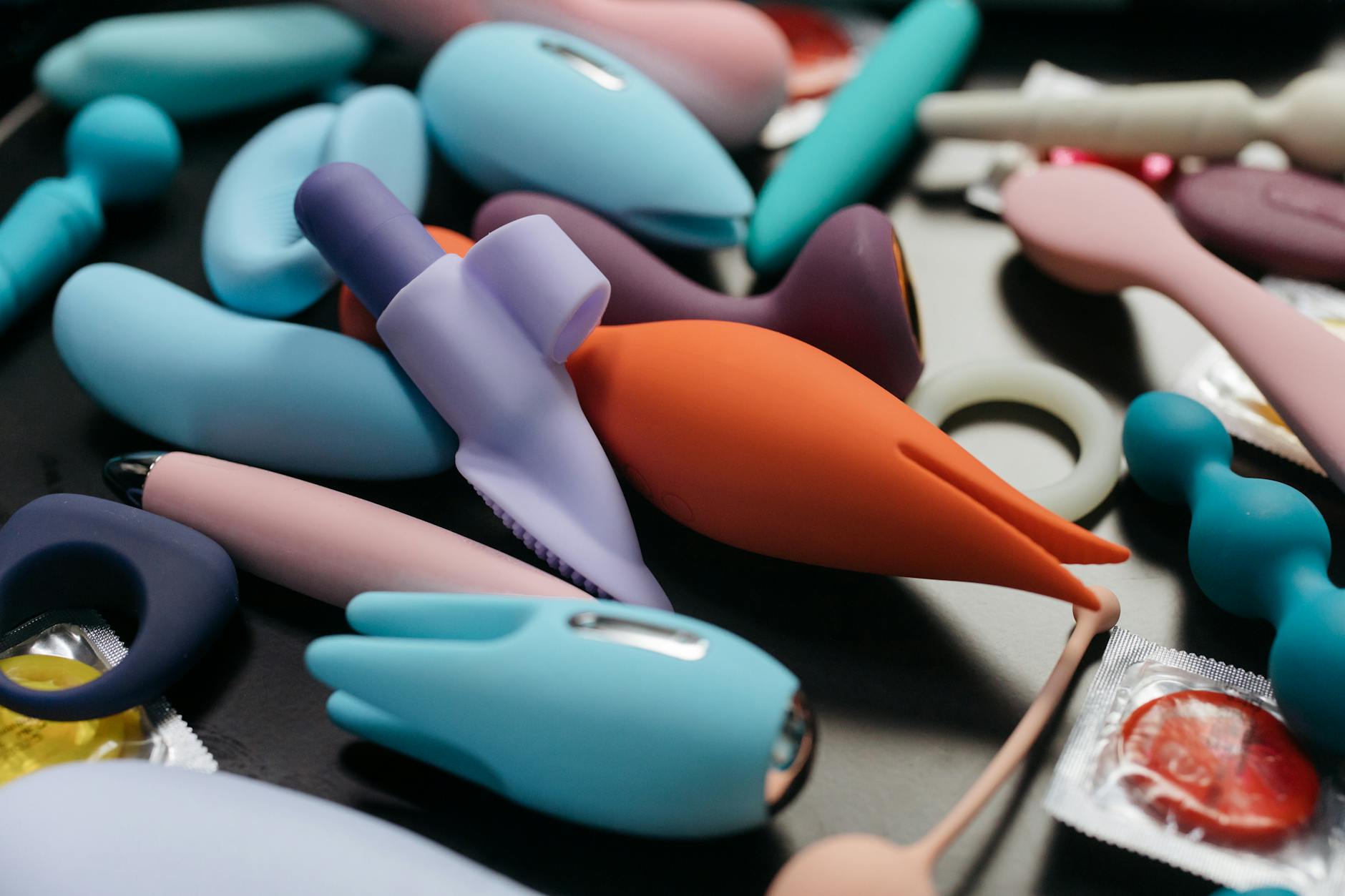
Here's the thing about pace mismatches
One of you wants to get there fast. The other wants to linger. One person's five-minute warm-up is the other's entire event. And neither of you is wrong. Pace mismatch isn't a sign of incompatible desire. It's just a difference in how your nervous systems approach pleasure, and it happens in probably half the long-term relationships walking around right now.
The problem is what happens next. The faster partner feels frustrated or resentful that they're being held back. The slower partner feels pressured and touched out. Intimacy becomes negotiation instead of connection. What a lemon clitoral vibrator does is give you both what you actually want at the same time, instead of forcing compromise that leaves you both half-satisfied.
Why pace mismatch happens (and it's not about love)
The speed at which you get aroused isn't about how into your partner you are. It's neurological. Some people's nervous systems are wired to ramp up quickly. Others need sustained, gentle build. Some folks need mental stimulation first. Others get there through physical touch alone. And your pace can change month to month, year to year. That's all normal.
What makes pace mismatch painful in a relationship is that we often interpret it as rejection. If your partner wants to slow down when you're ready to go, it feels personal. If you're being asked to rush when you need time, it feels like your needs don't matter. Neither interpretation is accurate, but both feel true in the moment.
Using lemon vibrators together actually solves this differently than you might think. It's not about one person speeding up the other. It's about giving the faster partner something that works on their timeline while the slower partner stays at theirs.
The setup that actually works
Let's say you're the faster partner. Your arousal builds quickly. You're ready for clitoral stimulation early, and you like direct, consistent pressure to build to orgasm fast. Your partner needs 20 minutes of foreplay before they even want touch there, and they like it lighter, more teasing.
Normally this creates the standoff. You're frustrated and under-stimulated. They're overwhelmed and feeling rushed. Everyone's resentful.
With a lemon sucker in the mix, the dynamic flips. You can use the lemon vibrator on yourself during foreplay while your partner touches you the way they want to. You're getting the intensity you need. They're giving touch at the pace that feels good to them. The vibrator isn't a substitute for their attention. It's the thing that lets their attention feel less pressured.
This works in the other direction too. If you're the slower partner, using a lemon clitoral vibrator on your partner while you take your time with kissing, caressing, or other foreplay means they're not left waiting. They're not getting frustrated. The vibrator is handling the speed while you're handling the intimacy.
Three specific scenarios where this changes everything
Scenario one: The "I'm ready, you're not" moment
You're aroused and want clitoral stimulation. Your partner's still warming up. Instead of you going without or them feeling pressured to be ready before they are, use your lemon vibrator. The suction pattern gives you stimulation while your partner continues whatever foreplay feels good to them. When they are ready, you shift into partnered touch. The vibrator bridges the gap without anyone feeling abandoned or rushed.
Scenario two: Extended foreplay that actually works
Your partner loves long, slow foreplay. You like getting to orgasm relatively quickly once stimulation starts. A longer session can work like this. You use a lemon vibrator on yourself during the foreplay phase. This lets them enjoy the slow build they love without you being understimulated or resentful. Then you can either continue with the vibrator or shift to partnered touch as things intensify.
Scenario three: Different arousal peaks
Some people's fastest arousal happens early in sex. Others peak 20 minutes in. Some people come once and are done. Others have multiple peaks across a longer timeframe. Using a lemon clitoral vibrator gives each of you the ability to follow your own pattern without waiting for the other.
The communication part (this matters more than the toy)
Before you bring a lemon vibrator into this dynamic, actually talk about it. Not in the middle of sex. Not as a solution you're imposing. A real conversation where you name what's happening.
Say something like: "Hey, I've noticed we have different paces. You like more time to warm up, and I get there faster. I don't want either of us feeling rushed or frustrated. I'm thinking about using a vibrator during foreplay so we both get what we need. Does that feel okay to you?"
That's it. Direct, not defensive, opening the door to their input. Some partners will feel relieved. Others might need reassurance that the vibrator isn't about them not being enough. That's a separate conversation, and it's important.
Intensity and settings matter more than you think
Lemon vibrators come with different patterns and intensities. When you're using one to bridge a pace mismatch, your pattern choice changes the whole dynamic.
If you're the faster partner and your partner's still in foreplay mode, use a lower intensity pattern. Something steady but not overwhelming. You want stimulation, not a sprint to orgasm. When your partner is ready to engage more intensely, you can increase the intensity together.
If your partner uses the vibrator on you during extended foreplay, they can keep the intensity lower and more teasing, which matches the slower pace they prefer while still giving you what you need. Then dial it up as things progress.
When pace mismatch signals something deeper
Honestly, sometimes mismatched pace is just mismatched pace. Your nervous systems are wired different. That's fixable with a lemon vibrator and communication.
Sometimes it's not. Sometimes one partner's slowness comes from anxiety or touch aversion. Sometimes the other's speed comes from a need to dominate or control. Sometimes pace mismatch is actually about desire itself fading. If you're using a vibrator and things still feel disconnected, that might be worth exploring with a couples therapist. A lemon clitoral vibrator is a tool, not a fix-all.
The practical logistics nobody mentions
If you're using a vibrator during partnered intimacy, make sure it's charged before you start. Nothing kills the moment like "oh wait, the battery's dead." Water-based lube helps the suction work better if you're using a lemon sucker. And honestly, designate whose vibrator it is in this moment. Switching mid-session is awkward.
Clean it after. Wash it with warm water and mild soap if it's silicone, and pat dry. Dead batteries can leak, so pull those out if it's not being used for a while.
Your partner might feel self-conscious watching you use a vibrator on yourself at first. That's normal. The more casual you are about it, the faster that shifts. It's not a performance. It's just part of what feels good.
What actually shifts when you stop forcing one pace
When you're not constantly negotiating speed, something opens up. The faster partner stops feeling resentful about being held back. The slower partner stops feeling guilty for needing more time. You're both getting what you need, so the sex actually feels generous instead of like a compromise nobody likes.
Most couples I work with tell me that once they got past the awkwardness of introducing a vibrator for this exact reason, the whole dynamic shifted. Not just sex. The rest of intimacy got easier too. When you're not fighting about pace, you have energy for actual connection.
FAQ: The questions people actually ask
Will using a vibrator make my partner feel like they're not enough?
Only if you frame it that way. The vibrator isn't replacing your partner. It's solving a specific problem. Your partner's touch, presence, and attention are irreplaceable. A vibrator handles intensity and timing. You can also reframe it as "this lets us both actually enjoy the same session instead of one of us waiting." Most partners feel relief, not inadequacy, once they understand that.
Is it okay to use a lemon clitoral vibrator every time if we have mismatched pace?
Totally. Some couples use vibrators most of the time because it works. Others use them sometimes. There's no "should." If it works for you, do it. If you want variety, switch it up. Your sex life doesn't need to look like anyone else's.
What if my partner thinks vibrators are for people who don't have partners?
That's a belief that doesn't match reality. Vibrators are used in relationships constantly. They're not a sign of inadequacy or loneliness. They're a tool. A lemon vibrator specifically is used by people with partners, without partners, and everyone in between. If your partner has that belief, that's worth a conversation about where it's coming from. Often it's rooted in outdated ideas about sexuality that don't actually serve the relationship.
Can we use a lemon vibrator during penetrative sex if we have pace mismatch?
Yes. Some couples use a clitoral vibrator during penetration to match timing and intensity for both people. Some use it before to get one partner more aroused so they're closer on the same page by the time penetration starts. Both work, depending on what pace mismatch looks like in your specific situation.
How do I bring this up if my partner and I have never used toys before?
Start with honesty about the pace thing. "I've been thinking about how our paces are different, and I think it might help if I could use something during sex so we're both enjoying ourselves at the same time." Offer to let them try the vibrator on you first so it's not abstract. Sometimes people feel less threatened when they're holding it, when they understand what it actually does.
What if one of us has really low libido?
A vibrator can help normalize arousal for the lower-libido partner, but it's not a fix for libido itself. If low desire is the real issue, that's separate from pace. Worth exploring with a therapist who specializes in desire discrepancy. A lemon vibrator can be part of the solution, but it won't solve mismatched libido on its own.
The actual outcome
Pace mismatch stops being a source of resentment and becomes just information. You get to have sex that works for both of you instead of sex that's a compromise neither of you actually likes. Your partner gets to take their time. You get the intensity you want. The vibrator handles the gap. Everyone enjoys what's happening. That's the whole point.
Start with the conversation. Then figure out if a lemon clitoral vibrator makes sense for your specific situation. Most couples find that it does. Your pleasure matters. Your partner's pleasure matters. You deserve both to happen at the same time.