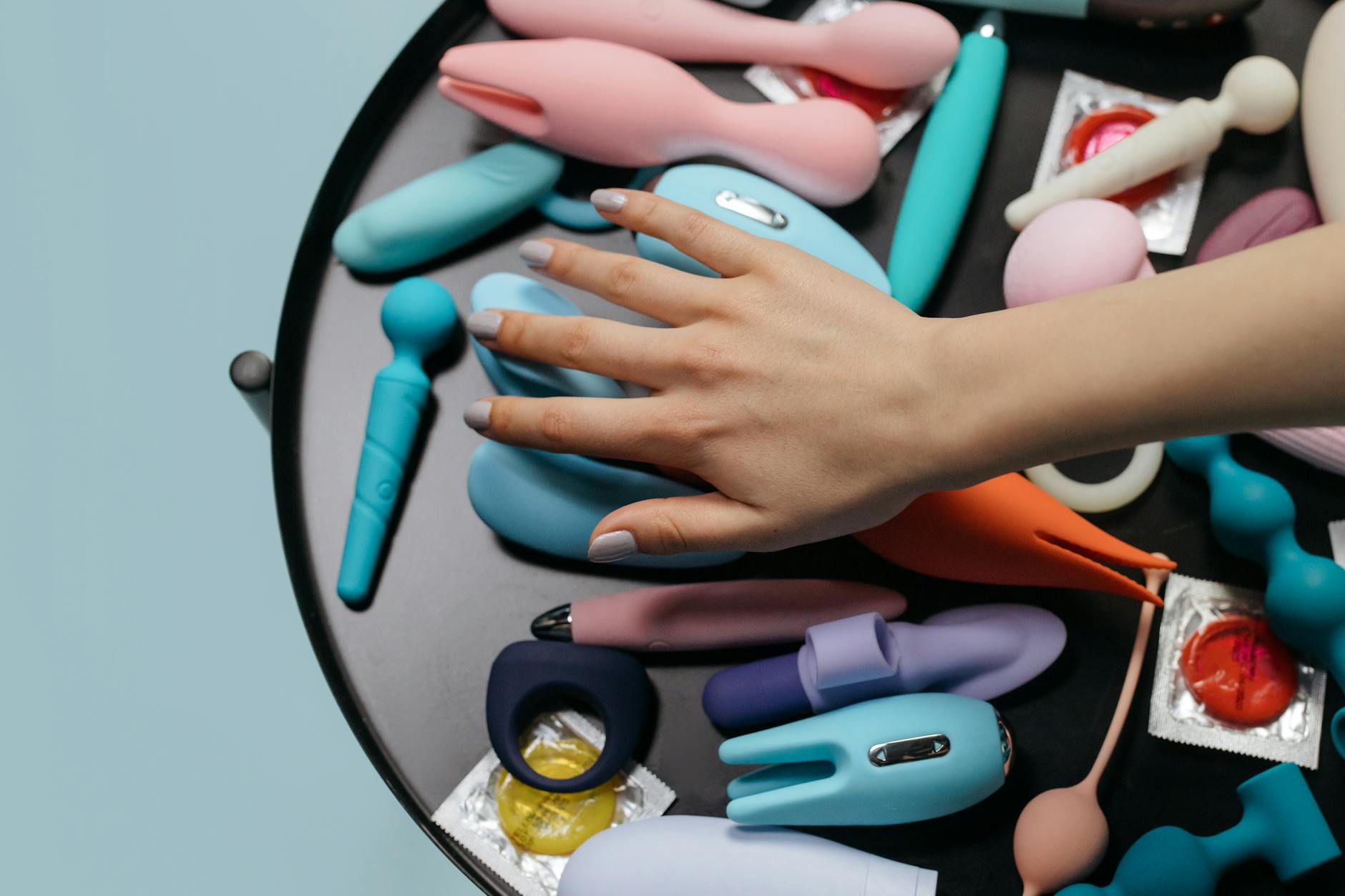
Pleasure after trauma is not a luxury, it's a reclamation
Let's be real. If you're reading this, you've probably spent a long time disconnected from your body. That's not a personal failing. That's a survival response. Your nervous system learned to protect you by shutting down sensation in the areas that felt unsafe. That same system can learn to open again, but only when you're ready, and only on your terms.
Using a lemon clitoral vibrator after sexual trauma isn't about "getting back to normal." There is no normal to get back to. It's about discovering a version of pleasure that feels genuinely yours, where you have complete control, and where your body learns it's safe to feel good again.
Why lemon vibrators specifically help with trauma recovery
Trauma changes how your nervous system responds to touch. Direct pressure, friction, and unpredictable sensation can feel triggering. Air-suction technology (like the technology in the Lem vibrator) works differently. Instead of vibration, it uses gentle suction waves to stimulate the clitoris indirectly. This means:
No direct pressure. With traditional vibrators, intensity comes from how hard something presses against you. That mimics forced touch in ways that can trigger freeze or fight responses. Suction doesn't require that kind of impact.
Predictable sensation. You control the pattern and intensity through settings. There are no surprises. Your brain can relax into knowing exactly what to expect each time you press a button.
Distance from vulnerability. The suction cup creates a small bubble of sensation rather than requiring someone (even yourself) to press directly on your vulva. That psychological distance matters more than you'd think.
Easier to pause. Because it's not an invasive contact, it's simpler to stop instantly if you feel triggered. There's nothing inside you, nothing you have to actively remove. You just release.
Many of my clients report that suction-based stimulation feels less like "being done to" and more like "being held" in a way that doesn't require vulnerability.
The first step: building consent with yourself
Here's what most guides skip. Before you even touch a vibrator, you need to rebuild the practice of asking your body what it wants and listening to the answer. Trauma often means your body learned to ignore its own signals. Pleasure recovery starts by trusting those signals again.
Spend a week just touching your own arm, hand, or leg. Not sexually. Just noticing what pressure feels good, what speeds feel safe, what textures you're drawn to. Notice when you tense and when you soften. This isn't wasting time. This is the foundation.
When you're ready, introduce the lemon vibrator in a non-sexual context first. Hold it. Feel its weight. Turn it on at the lowest setting and feel the vibration against your arm. Some people sit with it powered on for five minutes without using it for stimulation. Others trace it around their collarbone or inner wrist. This teaches your nervous system that this object is safe before it ever touches sensitive areas.
The point: you're building a relationship with this tool, not rushing into use.
Positioning and control: why they matter more than sensation
Trauma often involves loss of control. That's why position during pleasure recovery is surprisingly important. You need to be able to move, stop, and adjust instantly without asking permission or waiting for someone else.
Start sitting up, fully clothed, with the vibrator in your hand. Never lying down at first. Lying down can feel vulnerable in ways that trigger dissociation. Sitting gives you a grounded position where you can move or stand up instantly if you need to.
Keep your phone or another grounding object nearby. Some people find it helpful to play their favorite song. Others hold a textured object they can squeeze. The vibrator should enhance sensation, not become the entire focus. Your safety matters more than intensity.
When you do use it, start with your hands over the area first. Feel your own touch. Then introduce the vibrator to your inner thigh or pubic mound before moving to direct clitoral stimulation. This graduated approach teaches your body that sensation is building in layers, each of which you invited.
Setting patterns that feel safe
Most clitoral vibrators offer multiple intensity levels and patterns. With the Lem vibrator, for example, the lowest settings are gentle enough that you can use them for extended periods without building toward climax unless that's what you want. This matters because:
Pressure to orgasm can feel like pressure from a partner. You may have learned to perform pleasure or to reach climax on someone else's timeline. Removing that pressure is radical. You can use the vibrator for 20 minutes at a low, steady pattern just to feel pleasure without destination.
Try patterns that feel rhythmic and predictable. Avoid anything that pulses unpredictably or ramps up on its own. The goal is for your brain to know exactly what's coming next. That safety allows your nervous system to relax.
If a session ends without orgasm, that's completely fine. If a session ends the moment you feel slightly triggered, that's also completely fine. You're not "failing" at pleasure. You're succeeding at listening to your body.
Emotional processing: what to expect
Here's something therapists see all the time and most guides don't mention. When you start rebuilding pleasure, old stuff comes up. You might feel tears, anger, numbness, or unexpected sadness during or after using a vibrator. This isn't a sign that you're doing something wrong. It's your nervous system processing the fact that sensation is now optional, safe, and within your control.
Set aside time after sessions to check in with yourself. Journal if that helps. Notice what emotions come. Don't judge them. If you're working with a trauma therapist, bring this experience into sessions. They can help you understand what your body is communicating.
Some sessions will feel amazing. Others will feel flat or frustrating. Both are completely normal. Your nervous system is rewiring itself. That takes time.
Building back to partnered pleasure
If and when you're ready to include a partner in this recovery, communication becomes your only tool. Your partner needs to understand that this isn't about them. You're learning to trust sensation again. They're supporting that, not driving it.
Many people find it helpful to use the vibrator solo for weeks or months before involving a partner. There's no timeline. Only you know when your nervous system is ready.
When you do include a partner, keep the first attempts fully clothed or with underwear on. Let your partner watch you use the vibrator on yourself. Let them see what patterns you're drawn to. This builds trust and gives them information about your recovery without requiring vulnerability.
Partners should never pressure, interrupt, or comment on timing, intensity, or outcomes. If a partner can't do that, they're not ready to support trauma recovery. Your pleasure recovery is not a couple's project. It's a you project that a partner can witness and support.
When to seek additional help
If you experience dissociation, panic, flashbacks, or severe emotional flooding when using any vibrator, pause and reach out to your trauma therapist. There's no shame in this. It means you're uncovering something that needs professional support before moving forward. A vibrator is a tool, not a treatment. Therapy is.
If you're struggling with numbness that doesn't shift over weeks of mindful exploration, that can be a sign of depression or medication side effects. Bring this to your doctor. Low desire and sensation loss sometimes have medical components that need addressing.
If you feel ready to try the Lem vibrator or any clitoral vibrator and you're in recovery, know that choosing pleasure is an act of resilience. You're literally rewiring your nervous system. That takes courage.
People also ask
Is it normal to feel triggered when using a vibrator after trauma?
Completely normal. Trauma lives in the body. When you start introducing sensation to areas that learned to shut down, emotions and flashbacks can surface. This isn't failure. It's processing. If it happens, pause, ground yourself (touch something cold, name five things you can see), and reach out to your therapist. Many trauma-informed therapists specialize in somatic therapy, which addresses exactly this.
Can lemon vibrators help with numbness after trauma?
Suction vibrators like the Lem are gentler than traditional vibrators, which makes them a good starting point for people experiencing numbness. But numbness can be psychological or physical. If you're not feeling sensation even with gentle stimulation after several weeks of mindful practice, check with your doctor. Sometimes it's medication-related. Sometimes it's depression. Sometimes it's your nervous system needing more time. A professional can help you figure out which.
How long does it take to feel pleasure again after sexual trauma?
There's no standard timeline. Some people feel shifts in weeks. Others take months or years. Your nervous system works on its own schedule. What matters is consistency and self-compassion. Use a vibrator when you're curious, not when you feel obligated. Pleasure recovered through force isn't pleasure. It's just a different kind of pressure.
Should I tell my partner I'm using a vibrator during trauma recovery?
That's your choice entirely. Some people find it helpful to tell their partner as part of rebuilding trust and communication. Others prefer to keep this exploration private. There's no right answer. What matters is that if you do involve a partner, they understand that your recovery is not about them and that their role is support, not participation.
Is it safe to use a lemon vibrator while on trauma medications like SSRIs?
SSRIs and other medications can affect sensation and arousal, which is worth discussing with your prescriber. But they don't make vibrator use unsafe. What they might do is make sensation feel different or require more patience to build. If you're on medication and exploring pleasure recovery, that's actually a sign you're taking your healing seriously. Your doctor or therapist can help you navigate how medication and pleasure interact.
What if I can't orgasm even with a vibrator during recovery?
Orgasm isn't the goal of trauma recovery. Pleasure, safety, and trust in your own body are. Some people regain orgasm quickly. Others find it takes longer. Some find their orgasm feels different than before trauma. All of this is okay. If you're using the vibrator and feeling sensation without orgasm, you're already succeeding. Climax will come when your nervous system feels ready to release that way.
Your pleasure is a choice you get to make
Sexual trauma tells your body that pleasure isn't safe. Recovery is the slow, patient process of teaching your body that you get to choose pleasure, that you can stop it anytime, and that sensation can happen on your terms. A lemon vibrator is just a tool in that process. The real work is the permission you give yourself to feel again.
If you have questions about this journey or want to talk through your specific situation, reach out to us. You don't have to figure this out alone.