Let's talk about what trauma actually does to pleasure
Trauma doesn't erase your capacity for sensation. It rewires the pathway between stimulus and safety. Your nervous system learns to protect you by shutting down arousal, numbing sensation, or flooding you with panic when touch approaches. That's not broken. That's survival.
Rebuild doesn't mean starting from zero. It means teaching your body that pleasure can exist alongside safety. That sensation doesn't require dissociation. That you get to choose what touches you, when, and how intensely.
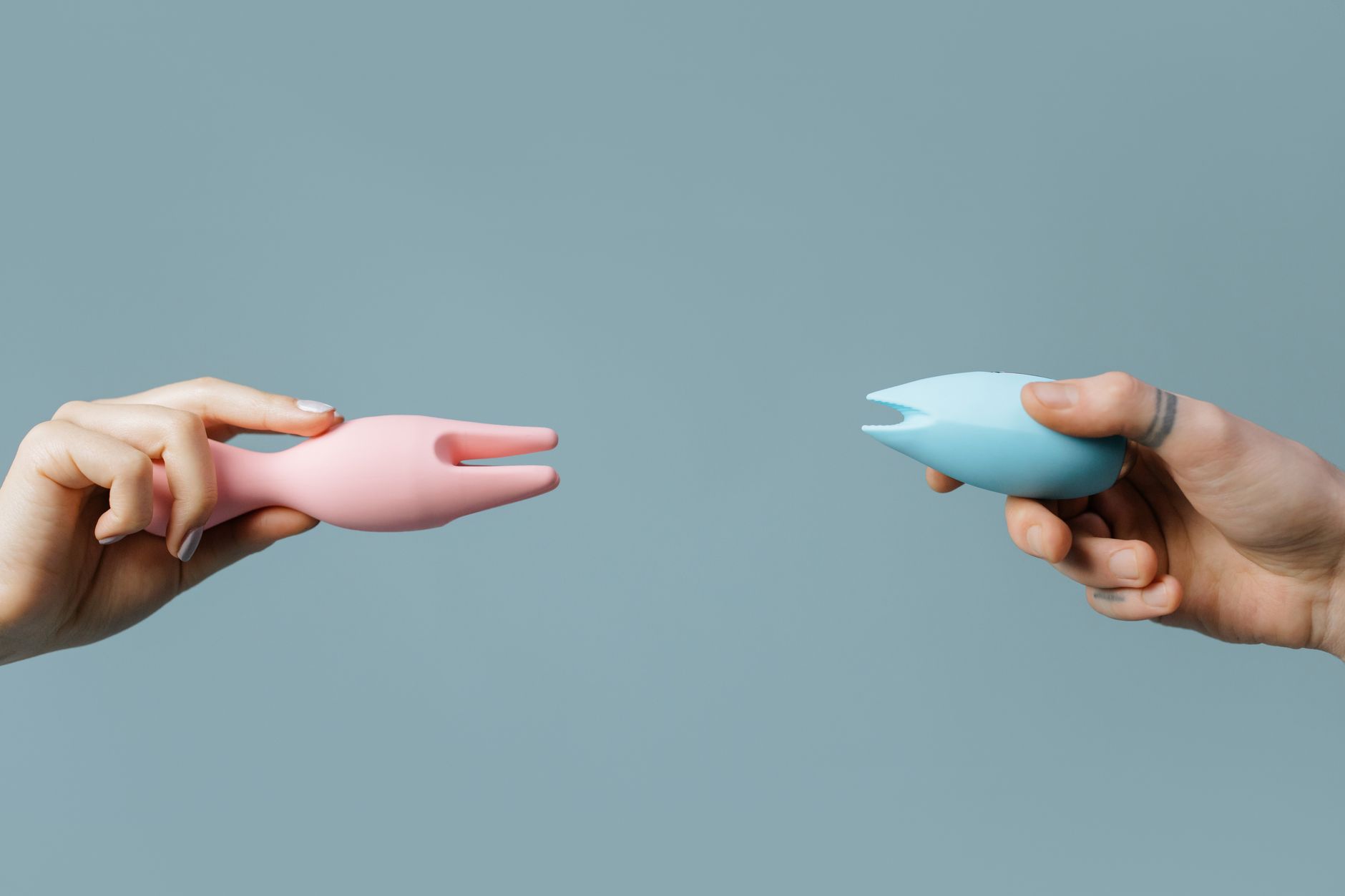
For many people in trauma recovery, lemon clitoral vibrators become that bridge. Here's why, and how to use them.
Why trauma survivors often need something different
Traditional vibrators require consistent direct contact on sensitive tissue. That continuous sensation can feel invasive, even threatening, if your nervous system is primed to perceive touch as dangerous.
Lemon sucker technology uses air-pulse stimulation instead. There's a seal around the clitoris, but no device actually touching the most vulnerable part of you. It's pressure and release, rhythm and space, rather than relentless friction.
That distinction matters. The on-off pulse creates what therapists call a "micro-reset" pattern. Your nervous system gets moments between pulses to recalibrate. You stay present without flooding. You experience intensity without overwhelm.
Many trauma survivors report that this rhythm feels safer because it's involuntary and consistent. You can't accidentally intensify it by moving. The device controls the pattern, which means your body gets to focus on sensation instead of managing the tool.
Starting from a place of zero pressure
If you're just beginning to rebuild pleasure after trauma, the worst thing you can do is start with the Lem on high. That's not conservative, it's counterintuitive.
Instead, begin by exploring the device with your clothes on. Let your nervous system register it as a sensation without stakes. Hold it. Press it against your thigh over fabric. Play with the patterns on low setting on clothed skin. Get curious without expectation.
This phase often takes weeks. That's not slow. That's appropriate.
When you're ready for direct contact, use it externally only, on your outer labia or mons pubis first. Not the clitoris. Lower patterns only. One or two minutes at a time. Your goal isn't orgasm. Your goal is evidence that sensation can feel neutral, even good, without spinning into panic.
Building a ritual that feels safe
Trauma survivors often need external structure because the nervous system doesn't trust its own judgment in situations involving arousal. A ritual creates that structure.
Set a time. Tell your partner (if you have one) that you're doing this. Lock the door. Check that you're not hungry, tired, or cold. Your baseline nervous system state matters. If you're running on empty, your body will interpret any new sensation as threat.
Start clothed. Breathe intentionally for two minutes before you touch yourself at all. This sounds basic, but it tells your nervous system you're in control. You chose this. You're choosing each second.
Use the lowest pattern. Keep sessions to five minutes or less. Stop if you feel even slight panic or dissociation. Stopping is not failure. Stopping is self-protective, and that's the whole point.
If you can repeat this ritual three times a week without escalation or flashbacks, you've built evidence of safety. From there, you can slowly extend the patterns or duration.
When your partner is part of the journey
If you're rebuilding pleasure with a partner, they need to understand that your nervous system doesn't trust them yet. That's not about them. That's about your brain protecting you from further harm.
Lemon clitoral vibrators actually create helpful boundaries here. The device is the source of stimulation. You control the device. Your partner's role is to be present, not to provide sensation. They can sit beside you, hold your hand, check in occasionally, but the device is between you and your body.
Many couples find this actually deepens intimacy. Your partner gets to witness your pleasure returning. You get to experience being safe with them present but not in control. Over time, that becomes a foundation for rebuilding sexual intimacy.
But here's the thing: if your partner expresses impatience, suggests you're taking too long, or touches you without permission during this process, that's a signal. Trauma recovery needs people who can sit with slow. If yours can't, that's something to address in therapy, not in bed.
Managing flashbacks and dissociation
You might start a session feeling grounded and then suddenly feel flooded or numb. That happens. It's not a sign you're broken or that you should give up.
If you feel panic rising, stop immediately. Turn off the device. Put it down. Take three slow breaths. Reassure yourself that you're safe and that you chose to stop.
If you feel yourself dissociating (watching from above, going numb, losing time), that's also a stop signal. Dissociation during pleasure-seeking can reinforce trauma patterns. It teaches your brain that the only way to survive arousal is to leave your body. That's the opposite of what you're trying to build.
Talk to your trauma therapist about these episodes. They might recommend grounding techniques before sessions (holding ice, naming five things you see) or suggest starting with shorter, supervised sessions if you have a supportive partner.
Recovery isn't linear. Some weeks you'll progress. Some weeks you'll need to scale back. That's normal.
The role of medication and nervous system regulation
If you're on medication for trauma (SSRIs, anti-anxiety meds, or others), that affects sensation and arousal. That's not a reason to avoid pleasure-building. It's a reason to be patient and potentially adjust dosing with your doctor if sensation becomes too muted.
Similarly, if you're in intensive trauma therapy, your nervous system might be activated. Sometimes the best week for rebuilding pleasure is the week after a heavy therapy session, when you're processing and integrating. Other times, you need to pause until the activation settles. Check in with yourself.
When to involve a sex therapist
If you've been rebuilding for several months and still can't tolerate any device contact, or if every attempt triggers significant panic, bring in a sex therapist who specializes in trauma. They can work with you in real time, help you identify specific triggers, and adjust the pace.
Similarly, if your nervous system has wired pleasure to pain, or if you can only feel arousal during dissociation, professional support isn't optional. These are patterns a vibrator alone can't untangle.
A good trauma-informed therapist and a lemon clitoral vibrator work together, not as alternatives.
The thing nobody tells you about healing
One day you'll realize you've forgotten to brace for flashbacks during pleasure. You'll use your Lem and just feel good, without waiting for the other shoe to drop. That moment isn't about the device. It's about your nervous system finally believing you're safe.
That's the actual win. The vibrator just creates the conditions for it.
Frequently Asked Questions
Can I use a lemon vibrator if I have PTSD from sexual violence?
Yes, but with deliberate boundaries and ideally with professional support. The air-suction design of lemon clitoral vibrators means nothing actually penetrates you, which many survivors find less triggering than traditional devices. Start with your clothes on, use the lowest settings, and keep sessions brief until your nervous system builds evidence that this is safe. If you have a therapist, bring them into the conversation about your pace.
How long does it usually take to rebuild arousal after trauma?
There's no timeline. Some people rebuild sensation and pleasure in months. Others take years. Recovery isn't linear, and comparing yourself to someone else's pace is actually counterproductive. Your nervous system needs whatever time it needs to integrate safety. Patience is the feature, not a bug.
What if using a vibrator triggers a flashback?
Stop immediately. Set it down, get somewhere safe, and use a grounding technique (cold water on your face, naming objects around you, slow breathing). Flashbacks aren't failure. They're information. After you've calmed down, you might journal about what triggered it or discuss it with your therapist. Then give yourself time before trying again.
Is it okay to use a lemon vibrator if I'm also working with a trauma therapist?
Absolutely. In fact, many therapists welcome it because it gives you agency and control in a context involving sensation. Just let your therapist know what you're doing so they can integrate it into your healing plan and watch for any patterns in what helps or hinders your progress.
Can a partner be present while I rebuild pleasure?
Yes, but with clear boundaries. Your partner should understand that they're present for emotional support, not to provide stimulation. You control the device. They don't touch you unless you ask. This creates safety and also models what healthy presence looks like. If your partner can't respect those boundaries, that's worth exploring in couples therapy.
What if I still feel numb even after weeks of using a lemon vibrator?
Numbness is often the body's protective response. It doesn't mean the device isn't working. It means your nervous system is still in defense mode. Talk to your therapist about grounding techniques or nervous system regulation practices (yoga, somatic experiencing, cold water exposure) to help before sessions. Sometimes sensation returns faster when you're actively regulating your nervous system in other ways too.
The path forward is yours to choose
Trauma interrupts pleasure. Rebuilding it isn't a race. Lemon clitoral vibrators give you a way to reestablish sensation safely, at your pace, without pressure. The Lem's gentle air-pulse design means you can start where you are, even if that's clothed and curious, and expand from there.
The goal isn't getting back to where you were before. The goal is getting somewhere new. Somewhere you feel genuinely in control. Somewhere pleasure and safety can coexist.
If you're unsure about your healing process or need guidance on how to combine therapy with pleasure-building, reach out. We're here to help you think through your path forward.