How to Use Lemon Vibrators When Libido Returns After Antidepressant Adjustment
Your libido is back. You feel it coming online again. And it's weird, because your body doesn't quite feel like yours anymore.
This is one of the most common transitions people forget to talk about: the gap between when your medication stabilizes and when your sexual desire returns. You spent months (or longer) in a place where pleasure felt either impossible or muted. Now it's knocking again. But your nervous system, your pelvic floor, your clitoral sensitivity. they've all been offline. Using lemon vibrators during this window isn't just about getting off. It's about relearning your body.
Here's what's actually happening, and what helps.
Why antidepressants change sensation in the first place
Most SSRIs (selective serotonin reuptake inhibitors) and some other psychiatric medications flatten sexual response as a side effect. This isn't weakness or broken desire. It's neurochemistry. Serotonin affects arousal, orgasm, and genital sensation. When the medication does its job, it also quiets some of the signals that create pleasure.
For many people, this trade-off is worth it. Mental health stability matters more than orgasms. But it creates a specific problem: your body gets used to operating with dampened signals. Your pelvic floor relaxes differently. Your clitoris doesn't engrave pleasure as intensely. Your brain's arousal pathways quiet down.
Then something changes. You adjust your dose, switch medications, or your prescriber recommends a trial without it. Desire returns. But your body hasn't remembered how to respond yet.
The adjustment window is real, and it's temporary
When sensation starts coming back, expect about four to eight weeks of retraining. This isn't about willpower. Your neural pathways, your pelvic floor muscle memory, and your clitoral nerve sensitivity all need time to recalibrate.
During this window, three things typically happen: sensation feels heightened or almost raw (sometimes uncomfortable), your orgasm threshold changes (it might take longer or feel different in quality), and pleasure can feel unpredictable. You might have a strong response one day and almost nothing the next. This is normal. You're not broken. You're rewiring.
Why lemon vibrators work better than traditional vibrators right now
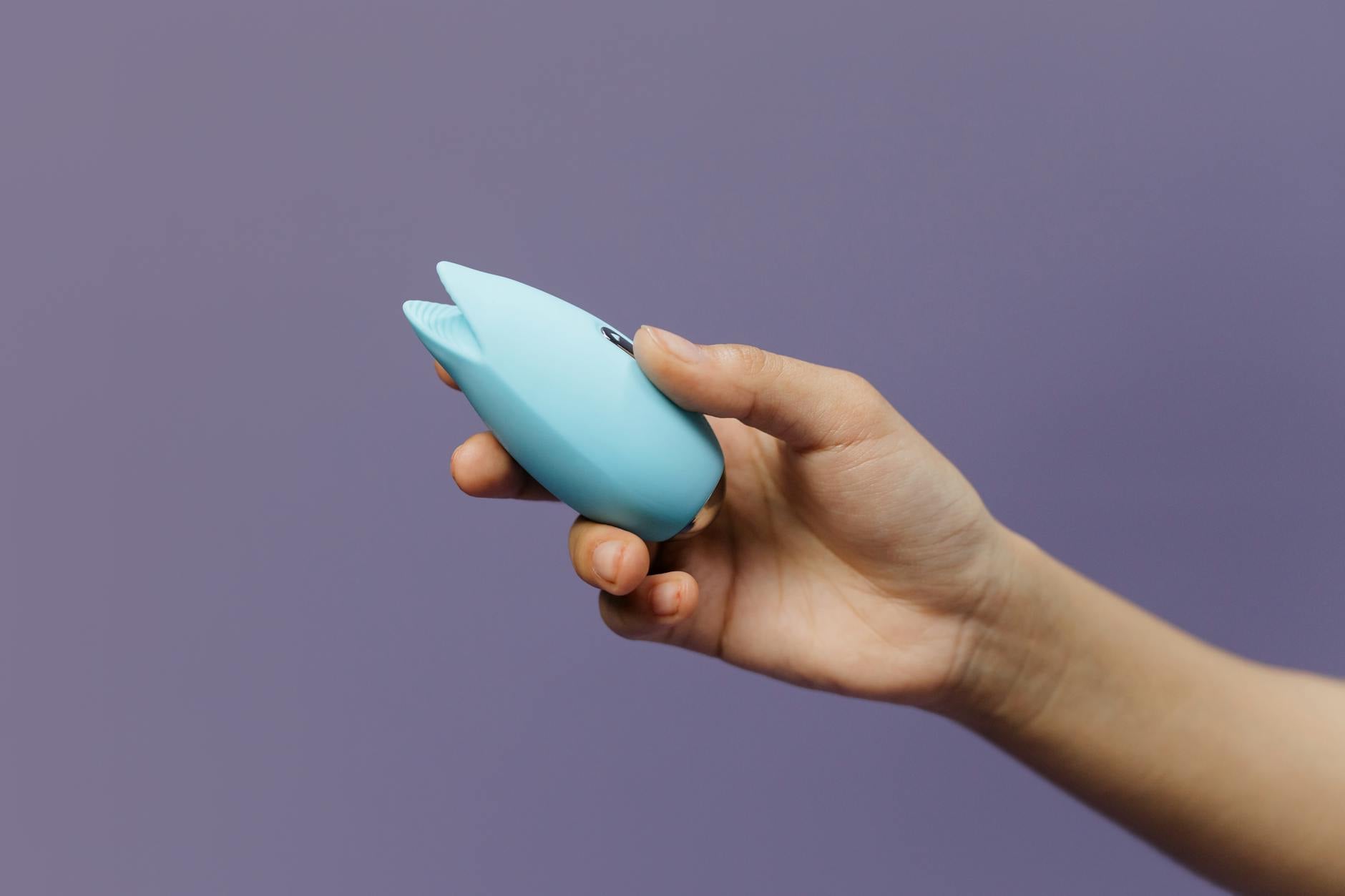
Air-suction clitoral vibrators like the Lem operate entirely differently than traditional bullet or wand vibrators. Instead of direct vibration against sensitive tissue, they use gentle suction and pulsing patterns that stimulate the entire clitoral complex, not just the surface.
During the antidepressant adjustment window, this matters for three reasons.
First, direct vibration can feel too intense when sensation is heightened and your nervous system is learning to process pleasure again. Suction distributes that stimulation more gently across a wider area. You get intensity without rawness.
Second, suction patterns activate different nerve pathways than traditional vibration. If your orgasm pathway feels blocked or weak because of medication changes, suction often routes around that block and creates a different kind of pleasure response. People often report that suction feels like something new, which is exactly what you need when your body has forgotten how pleasure works.
Third, suction allows you to build intensity gradually. You can start at the gentlest setting and work up as your body remembers. Traditional vibrators often hit one note. Suction lets you experiment with rhythm in a way that feels safer.
The four-week retraining protocol
I recommend a gentle, exploratory approach rather than goal-oriented pleasure sessions.
Weeks one and two. Low-pressure experimentation. Use your lemon clitoral vibrator on the lowest setting for five to ten minutes, three times a week. Don't aim for orgasm. You're just reintroducing sensation. Notice what feels good, what feels too much, what feels absent. Keep a simple mental note: "Pattern three felt better than pattern one" or "I needed longer today."
Weeks three and four. Introduce rhythm changes. Same frequency (three times a week), but try different patterns. Suction vibrators usually have five to twelve intensity levels and pattern options. You're learning what your body responds to now, which may be completely different from before medication.
Weeks five and six. Extend your sessions to fifteen to twenty minutes if you want to. Arousal takes longer during this phase, and that's fine. Don't rush it. Use this time to reconnect with what builds desire for you. Music, fantasies, partner touch, whatever your brain needs to get interested.
Weeks seven and eight. By now you'll have a clearer sense of what works. Your pleasure should feel less random. Orgasm may return, or it may take longer. Both are normal.
Physical adjustments that matter
Your body has been running on different neurochemistry. A few practical shifts help.
Warm up your clitoris first. A few minutes of manual touch, a warm hand, or warm water activates the tissue before you introduce the vibrator. This isn't foreplay. It's literally warming the area so sensation can travel faster.
Use water-based lubricant. Medication changes can affect natural lubrication, and suction works better when tissue is slightly slick. A small amount on and around the clitoris (not inside) helps the Lem create its seal.
Start with the gentlest suction strength. Even if you used intense vibrators before medication, begin at level one or two now. Your clitoris hasn't been stimulated at full sensitivity in months. It needs time to adjust.
Budget time. Antidepressant-related arousal delays are real. Budget twenty to thirty minutes minimum, with no pressure to come. Some people find that taking the pressure off orgasm is what lets it happen.
The emotional piece (because it matters as much as the physical)
When libido comes back, there's often relief. But there's also sometimes grief. You lost months (or longer) of sexual sensation. Your partner may have adjusted to lower-sex mode. You might have shame about the time you "lost" to medication side effects.
If you're in a relationship, this adjustment window is worth naming. "My body is learning to feel pleasure again" is different from "I want more sex" or "I'm ready to get back to normal." The first is honest. The second two set expectations that your body might not meet yet.
If you're single, this is a chance to reconnect with pleasure without performance pressure. There's no one waiting for you to hit a certain threshold. You can go as slowly as your nervous system needs.
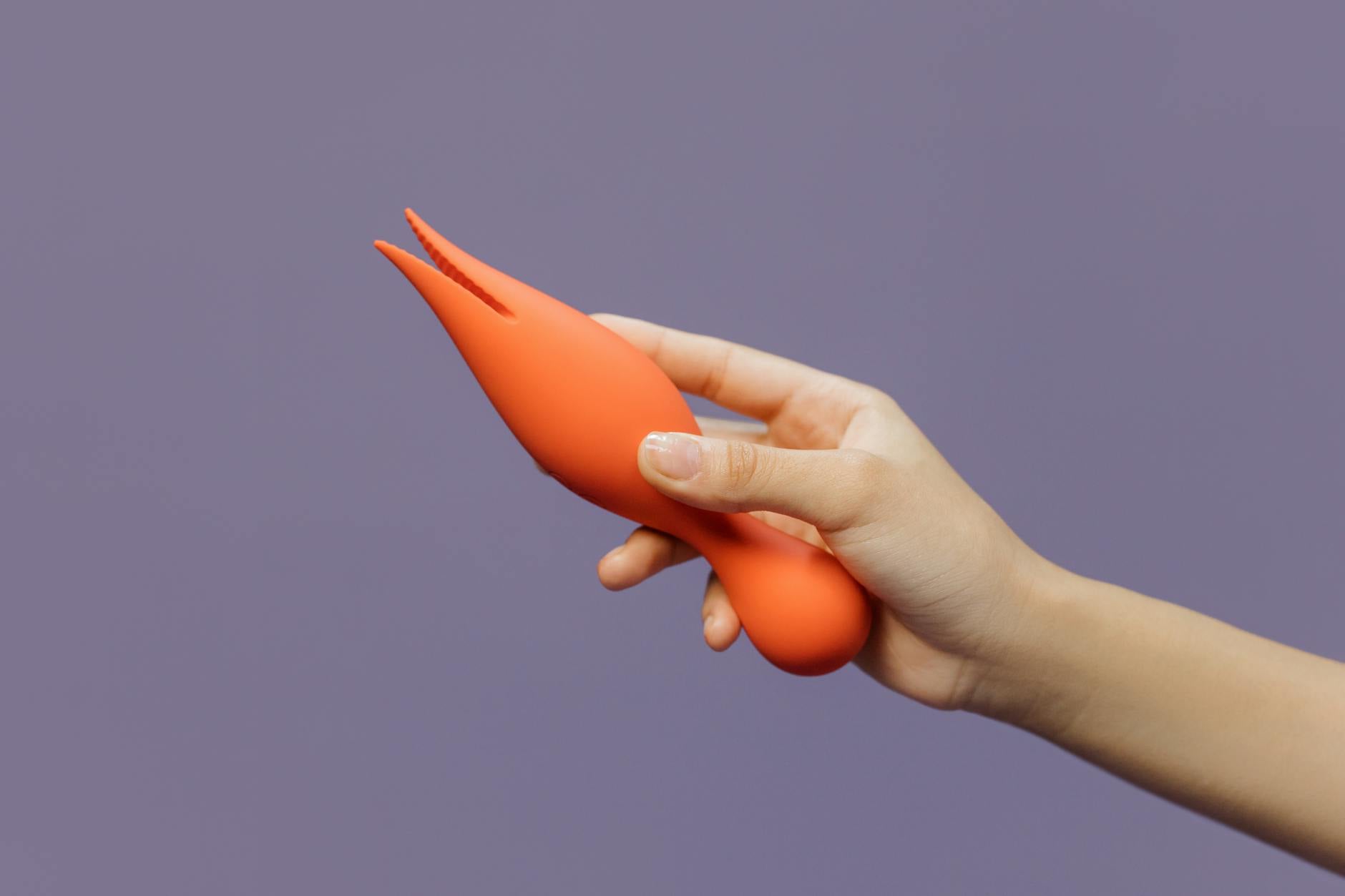
Photo by cottonbro studio on Pexels
When to check in with your prescriber
If your libido came back but orgasm hasn't returned after eight weeks of consistent exploration, worth mentioning at your next appointment. Sometimes tweaking the dose or timing of medication helps. Sometimes it's worth trying a different class of medication altogether (some have fewer sexual side effects).
If sensation feels painful (sharp, burning, or numb with pins-and-needles), mention that too. Medication can occasionally affect pelvic nerve function in ways that need attention.
But if sensation is just delayed, unpredictable, or weaker than before? That's the normal adjustment window. Your body is catching up. A lemon clitoral vibrator meets you where you are.
What to expect in month three and beyond
By around week ten, most people report that pleasure feels more reliable. Orgasms come more consistently. Sensation feels less raw. The uncertainty softens.
Your response might look different than it did before medication. You might need longer warm-up. Your orgasm might feel different in intensity or shape. You might prefer suction to traditional vibration now, or you might find you want both. All of this is fine. You haven't lost your sexuality. You've just learned a new version of it.
For some people, discovering how lemon vibrators work during this window becomes their favorite method permanently. The suction pattern, the gentler intensity curve, the fact that you can build sensation slowly. These things serve you during adjustment and continue to serve you after.
FAQ: Antidepressants, Libido Return, and Clitoral Vibrators
How long after starting a new antidepressant does sexual function typically return?
It depends on the medication, the dose, and your individual neurobiology. Some people notice improvement in weeks. Others take three to six months for full sensation to return. SSRIs are slower than some newer medications. If you've been on medication for six months and libido still hasn't budged, it's worth discussing with your prescriber. It doesn't mean you need to stop medication. It might mean a different option could work better.
Can I use a lemon vibrator right after switching medications or adjusting my dose?
Yes, but give yourself a few days for your body to settle first. When you change medication, your nervous system goes through a brief adjustment period. The first three to five days, everything feels heightened or weird. After that window closes, you can start gentle exploration. If you're switching from one SSRI to another, you might have a few days where libido fluctuates wildly. This is temporary.
Does sensation always come back the same way it was before?
Not always, and that's okay. Some people find their arousal patterns shift slightly. What turned you on before medication might still work, or your brain might need something different now. This is actually an opportunity to explore what pleasure means to you in this new version of your sexuality. Use your lemon vibrator as a tool for discovery, not as a way to chase what used to be.
Is it normal for orgasms to feel weaker or take longer during the adjustment period?
Completely normal. Your nervous system has been running on different neurochemical settings. Orgasm pathways, pelvic floor tension, and clitoral sensitivity are all recalibrating. Weaker orgasms during this phase doesn't mean they'll stay weak. By week eight or nine, most people report they feel stronger and more reliable again.
Can I use a lemon vibrator with a partner during this adjustment window?
Absolutely. Some people find that partnered touch combined with their own vibrator helps bridge the gap. The Lem works well for solo use and also in partnered scenarios. If you're using it with a partner, communicate about what you're learning: "I need more time to warm up now" or "This pattern feels better than it used to." This is also a time to work on deeper connection if you've felt distant from your partner due to medication side effects.
What if I'm worried that my libido won't come back or will stay weaker than before?
This is worth taking seriously. If it's been more than six to eight weeks and nothing has shifted, talk to your prescriber. Sometimes the medication dose needs adjustment. Sometimes switching to a different class helps (bupropion, for example, has fewer sexual side effects than SSRIs). Sometimes adding something that addresses sexual side effects is an option. You're not stuck. You have options, and your prescriber should explore them with you. If they dismiss your concern, it's okay to seek a second opinion.
You're not starting from scratch
When libido returns after antidepressant adjustment, it can feel like you're learning pleasure all over again. In some ways you are. But your body hasn't forgotten. It's just been offline. Your nervous system knows how to feel pleasure. It needs time and the right tools to remember.
A lemon clitoral vibrator is one of those tools. It meets your body where it is right now. not where it was, not where you hope it will be. And that's exactly what you need during this transition. If you're ready to start exploring, there's no wrong time to begin. Even five minutes of gentle experimentation matters. Your pleasure is worth this attention.
Have questions about your specific situation? Reach out to us. We're here to help you navigate this transition without judgment.