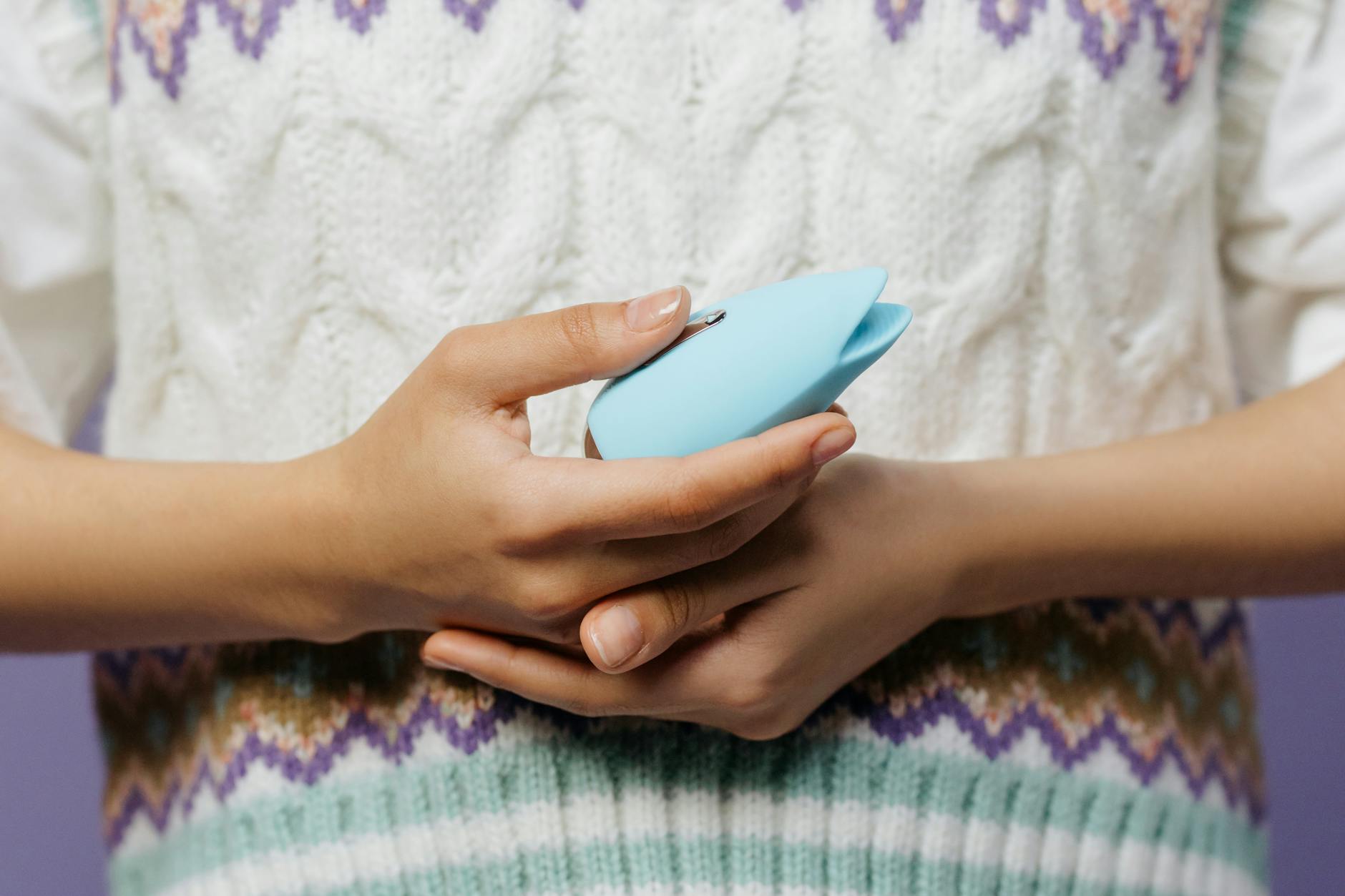
Hormones shift. Your pleasure doesn't have to.
Somewhere in your early to mid-40s, arousal changes. It's not faster. Lubrication feels different. The intensity you expected takes longer to build. And then people assume something's broken.
It's not broken. It's midlife.
What actually happens is this: estrogen and progesterone fluctuate unpredictably during the years before menopause (sometimes called perimenopause, though that word covers a broader span). Testosterone, which drives desire in all bodies, also begins to shift. Tissue becomes slightly less elastic. Blood flow to the genitals takes longer to ramp up. But here's what stays exactly the same: your nerve density, your brain's capacity for pleasure, and your ability to have powerful, satisfying orgasms.
Lemon clitoral vibrators, especially suction-style devices like the Lem, work differently with midlife hormones than traditional vibrators do. They require less friction, adapt to slower arousal, and often deliver better results when sensitivity has changed. This is the technical difference, but more importantly, it's the permission difference. You're not trying to recreate your 30s. You're learning how your body works now.
What actually changes (and what doesn't)
When estrogen dips, tissue thickness decreases slightly. This sounds worse than it feels. The clitoris doesn't shrink or lose sensation. It's still densely packed with nerve endings. What changes is how quickly those nerves fire and how intense the stimulation needs to be to feel good.
Progesterone fluctuations also mess with arousal speed. In some cycles, you'll feel ready within minutes. In others, it'll take 20 minutes or longer. This isn't dysfunction. It's just what happens when hormones are unbalanced. Many women in their 40s describe this as "needing more time to warm up," which is exactly right.
Desire itself doesn't necessarily drop. But the relationship between desire and physical readiness shifts. You might feel genuinely interested in pleasure and then discover your body needs 10 more minutes of buildup than it did at 35. That mismatch creates frustration, not because something's wrong with you, but because you're expecting the old timeline.
Why suction works better during hormonal transition
There are three mechanical reasons lemon vibrators, particularly suction-style clitoral stimulators, work better than traditional vibration when hormones are shifting.
First, suction doesn't require friction. Traditional vibrators work by moving back and forth against tissue. When tissue is thinner or more sensitive to direct pressure, this can feel sharp or uncomfortable. Suction creates stimulation through gentle negative pressure instead. The clitoris responds intensely to this without needing heavy contact. You get more sensation with less mechanical pressure.
Second, suction adapts to arousal pace. Most vibrators deliver the same pattern regardless of where you are in arousal. Suction devices, especially when used at lower intensity levels, can be turned on earlier in the process and adjusted as arousal builds. You're not jumping straight to intensity 7 because that's the device's rhythm. You're starting low and letting your body catch up.
Third, suction stimulates a wider nerve cluster. The clitoris has about 8,000 nerve endings concentrated in the glans. Traditional vibration often targets one area intensely. Suction spreads stimulation across the whole glans more evenly. This distributed sensation often feels richer and more nuanced, which becomes more important when hormone shifts make single-point stimulation feel less satisfying.
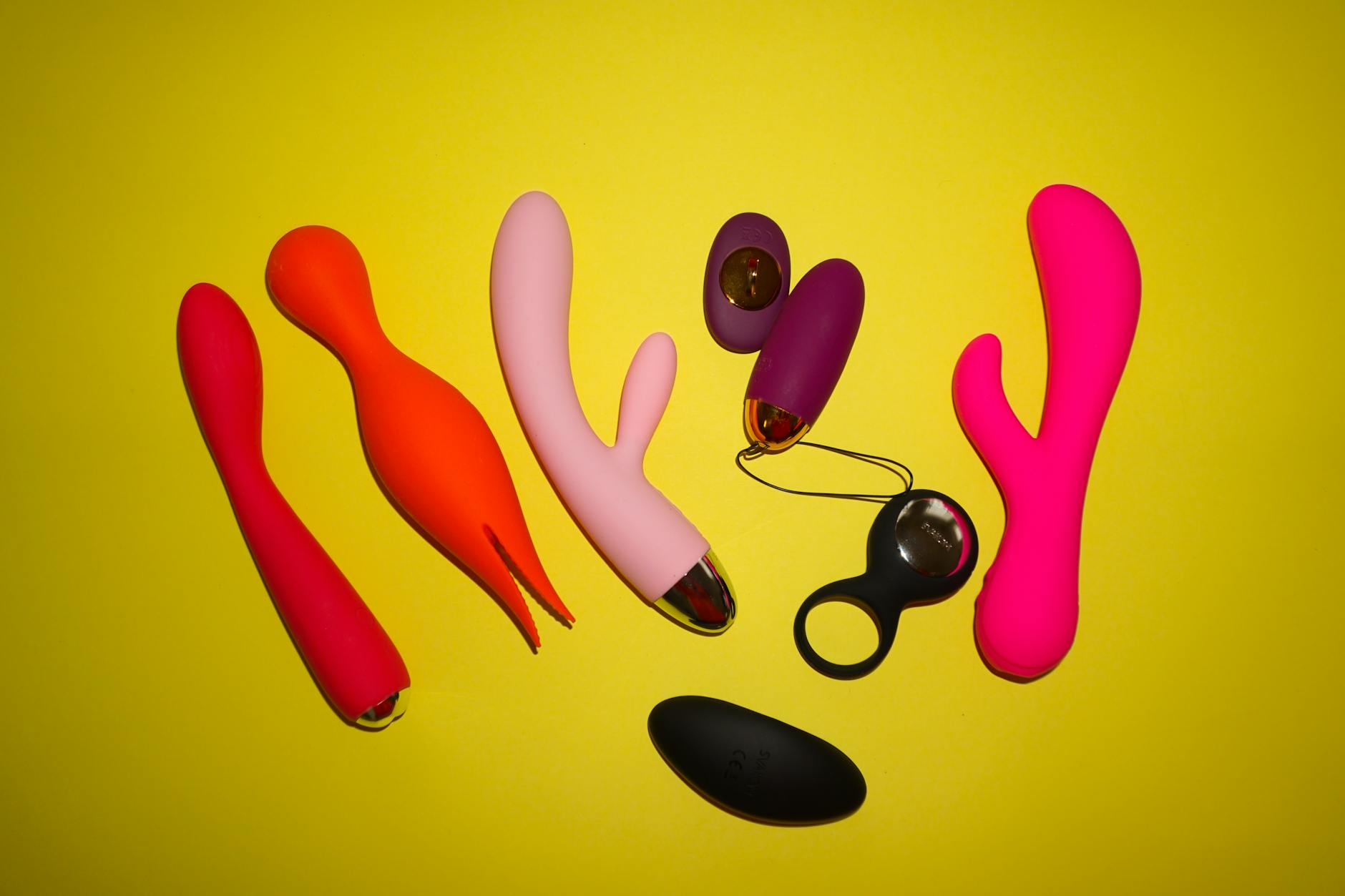
Photo by FounderTips on Pexels
The timing adjustment that changes everything
If you're used to 5-minute warm-ups, budget 15-25 minutes now. This isn't a penalty. It's just information.
Here's why it matters: your brain is still generating arousal. Your body's just processing it differently. If you rush through buildup because "it should be happening by now," you'll interrupt your own process. Instead, think of the longer warm-up as foreplay extension. Use lower-intensity patterns on the Lem for the first 10 minutes. Build slowly. This gives blood flow time to gather and gives your nervous system space to register the sensation.
Many women find that once they actually reach arousal (not the rushed version, the real thing), the orgasm is deeper and more satisfying than it was before. The longer journey paid off.
How to adjust intensity and pattern
The Lem has multiple intensity levels for exactly this reason. In your 40s, you might need to start at patterns 2-3 instead of jumping to 5. That's not weakness. That's reading your body accurately.
Here's a practical framework:
Early arousal (first 5-10 minutes). Use intensity 1-2 on whatever pattern feels pleasant. Don't chase sensation. Focus on the sensations you're already having. Many people find the gentle rhythm patterns work better than the pulsing ones during this phase.
Building arousal (10-20 minutes). Shift to 3-4 if it feels right. Again, not because you "should," but because your arousal has built to a point where slightly more intensity feels good. Listen to your body, not a timeline.
Peak arousal (final 5-10 minutes). Now you can go to 5-7 if you want. Or stay where you are. Some people find that their most intense orgasms happen at mid-range intensity with longer buildup, not at maximum settings.
The point is flexibility. Your 30-year-old rhythm doesn't apply anymore. The good news: most people discover they like this version better. You're not being rushed by your own impatience.
The lubrication question
Even if you've never needed supplemental lubrication, you might now. This isn't about you being "dry." During perimenopause, natural lubrication can be inconsistent. Some days you're fine. Other days it takes longer to produce, or it's thinner than it used to be.
Water-based lube is your friend here. It works with suction vibrators better than silicone-based lubes (which can damage silicone toys), and it enhances sensation rather than dampening it. Use it generously. It's not a sign of failure. It's a tool that makes the experience better.
Interestingly, many people using the Lem find that lube actually improves the suction sensation because it creates a better seal and reduces any uncomfortable friction from direct contact. Start with lube and adjust from there.
Partners and communication during the shift
If you're with a partner, this transition is a conversation, not a secret. "My body's rhythm has changed. I need more warm-up time, and I want to use the Lem for that," is a complete sentence that solves most problems.
The mistake most couples make is conflating "longer arousal time" with "lower desire." They're totally separate. You might want sex more than ever. Your body just needs different prep. Make sure your partner understands that.
If your partner has their own desires, this is where lemon vibrators actually strengthen intimacy. You can use the Lem during foreplay as a shared experience. Many couples find that the conversation itself, plus the permission to explore differently, makes sex feel new again.
If you're solo, this applies to you too: give yourself the time your body actually needs. Stop trying to make the old timeline work.
When to see someone (and when not to panic)
If orgasm becomes completely impossible or painful, check in with a doctor. That's rare, but it happens, and it's treatable. Most hormone-related pleasure shifts are uncomfortable, not impossible.
If you're having pain during sex or with penetration, that's worth mentioning to a gynaecologist. Hormone changes can affect pelvic floor tension, and that's fixable with pelvic physical therapy.
If desire completely disappears for months and stays gone, that's also worth exploring. But here's the truth most doctors won't tell you: "I need longer warm-up and a different tool" isn't a problem. It's an adaptation. Your body's communicating. Listen to it.
The long view
Your 40s aren't the beginning of the end. They're the middle of the middle. Some of my clients report that their most satisfying orgasms happen in their 40s and 50s, once they stop fighting their body and start understanding it.
Lemon clitoral vibrators, especially suction-style devices like the Lem, adapt to midlife bodies the way your body needs them to. They work with longer arousal timelines. They deliver sensation without friction. They give you permission to slow down.
What you're experiencing isn't menopause yet (that's a conversation for later). It's the years right before it, and they're genuinely good years for pleasure. You just have to stop expecting them to look like the years that came before.
If you're curious about how to explore this more deliberately, our team has written a lot about how to use lemon vibrators when sensation returns after numbness and how lemon vibrators improve sensitivity after hormonal birth control stops. Both cover territory relevant to midlife shifts.
FAQ: Hormones and lemon vibrators
Can hormonal changes actually make orgasms harder to achieve?
Yes, but "harder" doesn't mean "impossible." Fluctuating estrogen and progesterone can slow the nerve response that builds toward orgasm. You might need more time, more specific stimulation, or a different approach. Lemon clitoral vibrators, especially suction devices, often help because they deliver stimulation that works with your current hormone levels rather than against them. The orgasm is still totally there. Your body just needs a different route to it.
Is it normal for arousal to take longer in your 40s?
Completely normal. Hormone fluctuation is the main culprit, but there are others: stress, sleep, relationship dynamics, and even what you ate that day can affect arousal speed. The longer timeline isn't failure. It's just your new baseline. Once you stop fighting it and actually plan for it, most people find they prefer this version. The buildup feels richer.
Should I use a different pattern or intensity on the Lem if my hormones are shifting?
Yes, almost always. Start lower and slower than you did before. Use patterns 1-3 for the first 10 minutes. Save higher intensities for when arousal has actually built. This works with your body's new pace instead of trying to override it. Many people find they end up preferring lower-intensity, longer-duration sessions to high-intensity short ones. Experiment and see what your body tells you.
Can the Lem help if hormones have made sensation feel numb or muted?
Often, yes. Suction stimulation creates a different type of sensation than traditional vibration. It engages nerve clusters more broadly and often feels more noticeable when direct vibration feels dull. That said, if numbness is severe or persistent, that's worth discussing with a doctor. Hormone shifts can sometimes create this, but so can other things. Rule those out first, then experiment with lemon vibrators.
Is it true that hormonal changes make some people more sensitive or easily overstimulated?
Yes, absolutely. The same hormonal fluctuation that slows arousal can also make direct stimulation feel sharper or uncomfortable when you're already sensitive. This is where intensity control matters hugely. Start at 1-2 and increase only if it feels good. Some people in their 40s find they actually prefer staying at lower intensities even once arousal peaks. That's completely valid. Your pleasure doesn't require maximum settings.
If lube helps during midlife hormone shifts, does that mean something's wrong with my body?
No. Lubrication consistency changes with hormones. Some days you'll have plenty. Other days, less. It's not a sign of dysfunction. It's just information. Water-based lube enhances sensation rather than replacing it, and it's especially useful with suction vibrators. Using it is smart self-knowledge, not a workaround for a broken system.
The bottom line
Your 40s bring hormone changes that shift how pleasure works. But shift doesn't mean diminish. Lemon vibrators, especially suction-style clitoral vibrators like the Lem, are designed for exactly these kinds of transitions. Longer warm-up, flexible intensity, distributed sensation. That's not settling. That's evolution.