
Here's the thing about burnout and desire
Burnout doesn't just steal your energy. It hijacks your nervous system, rewires your attention, and absolutely tanks libido. The worst part? When the burnout finally lifts, a lot of people expect desire to bounce back immediately. It doesn't.
You might find yourself months into recovery, feeling better than you have in years, and still... nothing. The desire is still quiet. Your body feels unfamiliar. You're not broken. You're just out of practice.
What burnout actually does to your arousal
When you're burned out, your nervous system lives in a chronic stress state. Cortisol stays elevated. Your parasympathetic nervous system—the one responsible for rest, recovery, and arousal—barely gets a look in. Sex becomes impossible to want because your body is reading every signal as "go go go" instead of "relax and feel."
Here's the piece most people don't talk about: even after the external stress ends, your nervous system takes time to reset. You can leave a brutal job, finish a painful project, or move away from a difficult situation, and still have your body stuck in crisis mode for weeks or even months.
The good news is that pleasure is a powerful way to gently teach your nervous system that it's actually safe to feel again. And lemon clitoral vibrators, with their unique suction-based stimulation, are particularly good at this because they don't require the kind of mental focus or pressure that can tip you back into stress.
Why lemon vibrators work differently during recovery
Traditional vibrators ask your clitoris to work hard. You have to be attuned to the sensation, maintain pressure, stay mentally engaged. When you're recovering from burnout, that mental engagement is exactly what makes pleasure feel effortful rather than restorative.
Lemon suction vibrators work differently. They engage nerve clusters without requiring sustained muscular tension or intense focus. The sensation is rhythmic and consistent, which your nervous system reads as calming rather than demanding. You can lie back, let it work, and slowly remember what pleasure feels like without having to perform or control anything.
This matters because one of the side effects of burnout recovery is decision fatigue. You don't want to think about how to use something. You want it to feel good without effort.
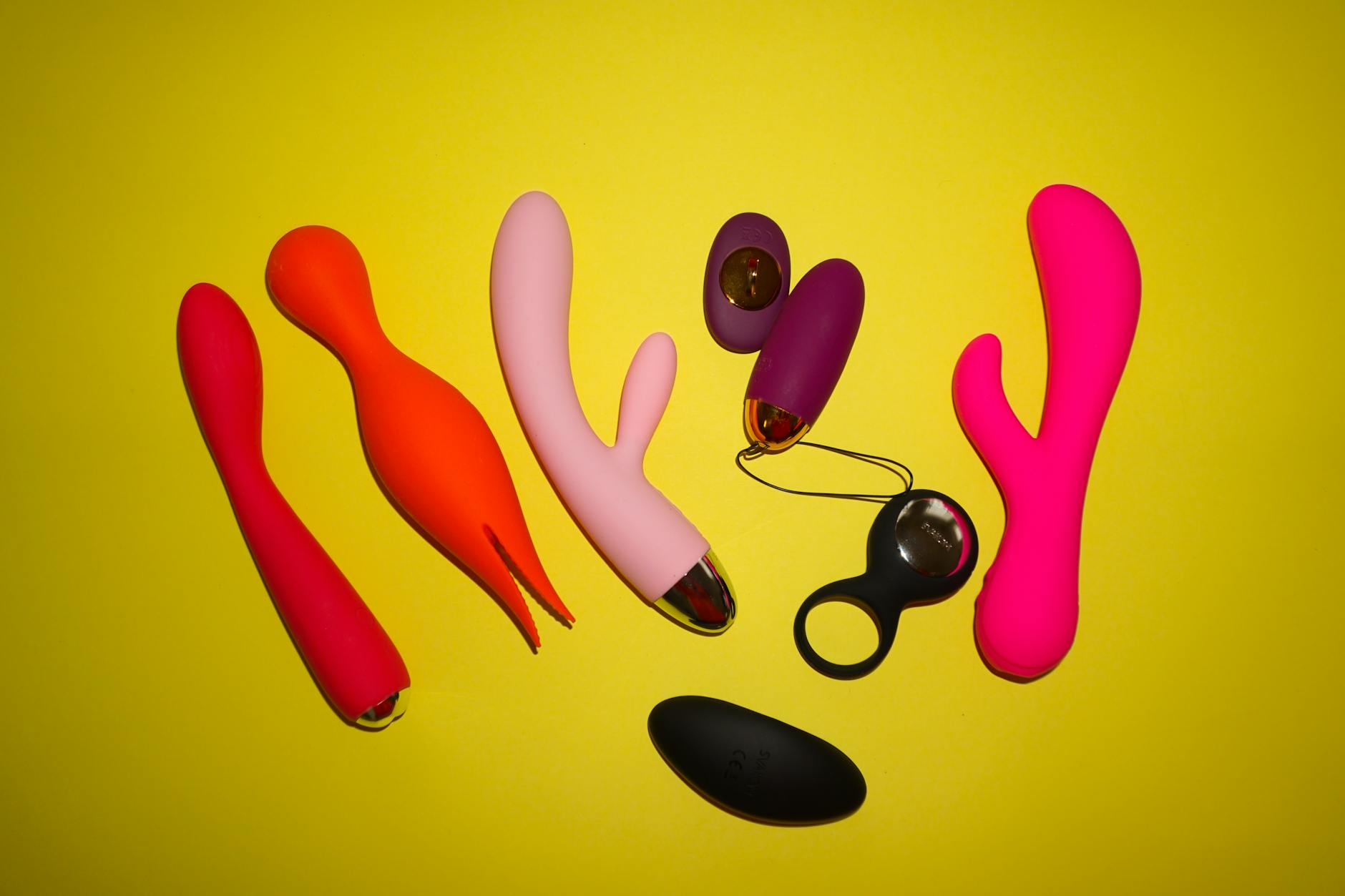
Photo by FounderTips on Pexels
The phased approach to reconnecting
I recommend breaking your return to pleasure into three phases. This isn't medical protocol—it's about respecting what your nervous system actually needs.
Phase one: sensation without expectation (weeks one to two). Start with your lemon vibrator on the lowest setting. You're not aiming for an orgasm. You're teaching your body that pleasure is safe. Lie down somewhere comfortable, give yourself 10 to 15 minutes, and just notice. Some days you'll feel something. Some days you won't. Both are fine. The goal is consistency, not intensity.
Phase two: pattern exploration (weeks three to four). Once the lowest setting feels familiar, start trying the other patterns. Spend a few sessions on each one. Different patterns activate different nerve pathways. What feels meh at first might become your favorite. You're not rushing to orgasm. You're building a vocabulary of sensation that your body remembers it can have.
Phase three: integration (week five onward). By now, your nervous system has started to recognize that pleasure is an option available to you. You can introduce longer sessions, more intensity, and whatever else calls to you. This is when you might bring a partner in, if that's relevant to you, or simply get curious about what you actually want.
Practical setup that respects your nervous system
When you're recovering from burnout, environment matters. You need zero additional demands on your attention.
Choose a time of day when your energy is highest. If you're a morning person, don't wait until evening when you're depleted. Put your phone in another room. Tell your household you need 20 minutes undisturbed. Light a candle or dim the lights, not because it's romantic, but because it signals to your brain that you're shifting out of productivity mode.
Water-based lubricant is your friend. Not because anything is wrong with you, but because it removes friction from the experience. Less friction means less effort, which means your nervous system stays calm.
Start clothed if that feels better. You can use the Lem through underwear. There's no rulebook that says you have to be naked. Some people find nudity evokes vulnerability that's too much when they're recovering. Others feel safer in their body when they're covered. Either is completely fine.
When you hit a wall (and you might)
There will probably be a session where nothing happens. Or where it feels good for two minutes and then your mind starts racing about work you forgot to do. Or where you feel touched out and can't bear one more sensation.
This is normal. Burnout recovery isn't linear. Your nervous system didn't get dysregulated overnight, and it won't reset overnight either. When this happens, stop. Close the device. Let that be enough.
The temptation is to push through or to tell yourself you're doing it wrong. You're not. You're listening to what your body actually needs, which is exactly what builds trust with yourself again.
Bringing a partner in (if you want to)
If you have a partner, they might feel a bit abandoned during this phase. Burnout recovery is self-focused out of necessity, not choice. A conversation that actually helps: "I'm reconnecting with pleasure on my own for a bit. It's about me rebuilding my capacity, not about you. I'll let you know when I'm ready to share this."
Then actually tell them when you're ready. Some people find that once they've reignited their own pleasure, inviting a partner back in feels natural. Others feel content exploring solo for longer. There's no timeline.
If your partner wants to be involved, they can start by simply respecting your recovery. No pressure. No assumptions about what you "should" want or when. That's already a powerful gift to someone rebuilding desire.
A note on why lemon vibrators specifically
You might wonder why I keep coming back to lemon suction vibrators instead of any other tool. The suction sensation engages your parasympathetic nervous system more directly than traditional vibration. It's a gentler, more consistent stimulation that doesn't require you to grip or contract. Your body can relax into it.
If you're someone who's also dealing with clitoral sensation that feels numb or muted, suction vibrators are also particularly effective because they activate a different set of nerve endings than direct vibration.
FAQ: Reconnecting with desire after burnout
How long does it usually take for desire to return after burnout?
It varies wildly depending on how severe the burnout was and what triggered it. Some people feel a shift within weeks of removing the stressor. Others take three to six months. There's no standard timeline. What matters is that you're not measuring yourself against anyone else's recovery. If you're seeing any movement toward pleasure, even small, you're moving in the right direction.
Is it normal to feel anxious during solo exploration after burnout?
Completely normal. Anxiety often accompanies burnout recovery because your nervous system has been in threat mode. When you slow down enough to feel, anxiety sometimes surfaces. It's not a sign you're doing something wrong. It's your nervous system learning that the threat has passed. This is why the phased approach matters. You're giving your system time to settle.
Can I use a lemon vibrator if I'm also in therapy for burnout?
Yes. In fact, many therapists who work with burnout recovery appreciate when clients take proactive steps to reconnect with their bodies. If you have a therapist, mentioning this gives them useful information about your progress. It's all part of the same nervous system healing.
What if I'm using antidepressants or anti-anxiety medication? Will that affect sensation?
Medication can affect libido and sensation, but so does untreated burnout and depression. If you're on medication, you might notice that sensation changes as your system stabilizes. This is actually a good sign that the medication is working. If sensation or desire doesn't return as you'd expect, that's worth discussing with your prescriber. Different medications affect people differently, and sometimes a small adjustment makes a huge difference.
Should I tell my partner I'm using a lemon vibrator to rebuild desire?
That depends on your relationship and your comfort level. Some partners feel insecure if they don't know. Others prefer not to know. The honest answer is that this is your solo journey right now. You're not obligated to narrate every part of your recovery. If you eventually want to share the experience with your partner, you can. If you want this to stay private, that's equally valid.
Is it okay to use a lemon vibrator if I'm asexual or have low libido baseline?
Absolutely. Burnout can flatten even an already-low libido into nothing. Some people recover to their baseline. Some discover that their baseline has shifted. Both are fine. You're not trying to become a different person. You're reconnecting with whatever capacity you have, even if it's smaller than before.
The actual timeline is yours
Recovery from burnout isn't about racing back to how you were before. It's about learning to trust your body again, slowly, on your own terms. Lemon vibrators can be a useful tool in that process because they don't demand much from you, they work consistently, and they send your nervous system a simple message: pleasure is available.
If you're ready to start this work, reach out if you have questions about which approach feels right for your situation. Every recovery is different. What matters is that you're choosing yourself.
Sources
Gottman, J. M., & Levenson, R. W. (2000). The timing of divorce: Predicting when a couple will divorce. Journal of Marriage and Family, 62(3), 737-745.
Nagoski, E., & Nagoski, A. (2019). Come as you are: The surprising new science that will transform your sex life. Simon & Schuster.
Porges, S. W. (2011). The polyvagal theory: Neurophysiological foundations of emotions, attachment, communication, and self-regulation. W.W. Norton & Company.