
Let's start with what slow arousal actually is
Your clitoral sensation doesn't arrive on schedule. You might need 20, 30, or even 45 minutes of direct attention before you feel much of anything. That's not dysfunction. That's your nervous system doing exactly what nervous systems do when they're overloaded, distracted, or simply wired a certain way.
Here's the thing nobody tells you: delayed sensation is wildly common and almost always fixable. The solution isn't patience alone. It's understanding what your body needs and using the right tool to get there faster.
Why sensation gets stuck in slow mode
Think of arousal like a car engine that needs to warm up. Some bodies do it in seconds. Others need a minute. And some? They need the full five-minute warm-up on a cold morning. Both are normal. Neither is better.
Several things can slow down clitoral sensation:
Stress and nervous system activation. Your sympathetic nervous system (the fight-or-flight one) competes with your parasympathetic nervous system (the rest-and-digest one). If you're running on stress hormones, your body simply won't prioritize blood flow to your genitals. It's keeping resources for survival.
Attention gaps. If you're mentally cataloguing your to-do list while someone is touching you, your brain isn't sending the signal to your clitoris that something exciting is happening. Sensation requires neural attention. Without it, the touch doesn't register as arousing.
Insufficient stimulation intensity. This is the big one. Many traditional vibrators buzz at a frequency your body has learned to tune out. Your nervous system adapts to repetitive input and stops "hearing" it. You need either novelty or intensity to break through that adaptation.
Hormonal fluctuation. Estrogen affects clitoral tissue thickness and blood flow. Some phases of your cycle, some periods of your life, your clitoris is simply more reactive. Other times, it needs more stimulus to feel the same amount of pleasure.
What lemon vibrators actually do differently
Lemon clitoral vibrators use suction technology instead of traditional vibration. That matters because suction works through a different neural pathway.
Traditional vibration stimulates surface nerves with repetitive movement. Your body habituates to it quickly. Suction, by contrast, creates a seal and applies rhythmic pressure that engages deeper nerve clusters. It's novelty your nervous system hasn't learned to ignore.
When you're dealing with delayed sensation, this distinction is huge. A lemon vibrator doesn't just buzz faster. It stimulates in a way that feels genuinely different, which means your nervous system stays engaged instead of zoning out.
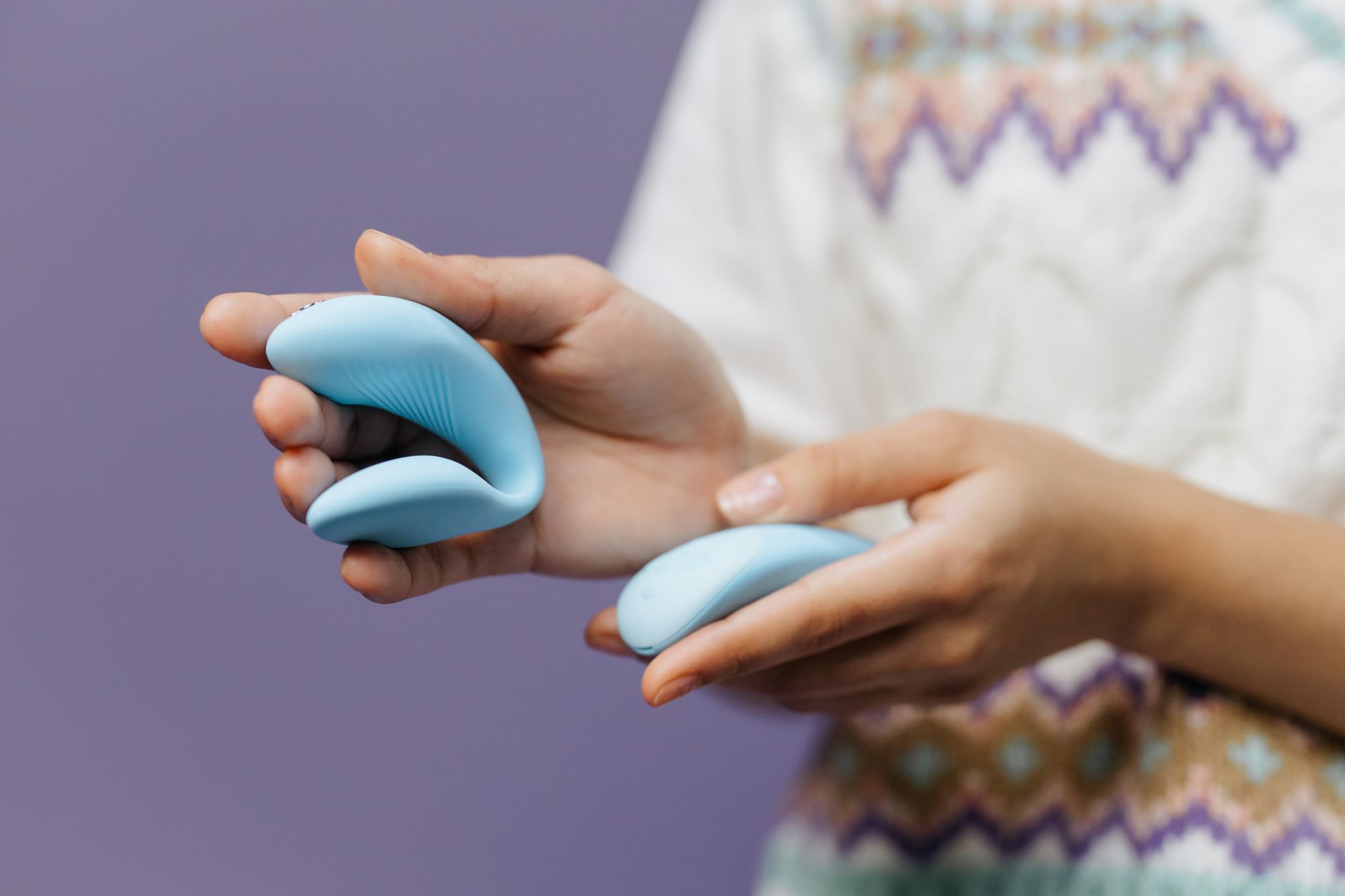
Photo by cottonbro studio on Pexels
The practical setup that works
Timing and environment matter as much as the tool itself. Here's how to actually reduce that warmup time.
Start earlier than you think. If your arousal usually takes 40 minutes, begin 45 minutes before you want to feel the good stuff. This sounds silly until you realize that rushing the arousal process actually extends it. Pressure works against you here.
Create actual downtime first. Fifteen minutes of zero stimulation before you use a lemon vibrator. No checking your phone, no thinking through a conversation you had earlier. Your nervous system needs to shift out of sympathetic mode. Some people find that a warm shower, five minutes of deep breathing, or a few minutes of touching themselves non-genitally helps.
Start on the lowest setting. This is counterintuitive when you're frustrated that nothing feels like much. But jumping straight to setting 5 on a lemon vibrator teaches your body to wait for intensity rather than building sensation gradually. Start at setting 1 or 2 and stay there for two to three minutes.
Angle matters. The clitoral glans is at the top. Many people point vibrators straight on or slightly downward. Instead, try angling upward slightly toward your body's midline. This often engages more of the clitoral network (which extends internally far deeper than most people realize).
What to expect when sensation finally builds
When delayed arousal starts responding, it often feels different than you've experienced before. Not worse. Just different.
You might feel a warm pressure first, then a kind of tingling, then actual concentrated pleasure. You might find that your arousal plateaus for a while before building again. This is completely normal. Your body is learning that this type of stimulation is working. Patience here actually pays off.
Many people report that once their body clicks into the suction pattern of a lemon vibrator, sensation accelerates. The second time you use it, the third time, you might warm up in 15 minutes instead of 40. That's your nervous system recognizing the pattern and preparing accordingly.
When to add your partner (or not)
If you're using a lemon vibrator with a partner, communication is everything. Tell them what you're experiencing.
"I need 20 minutes on setting 2 before I feel ready for anything else" is useful information. "I don't know why this is taking so long" puts both of you in a shame spiral. One is solvable. The other isn't.
Many couples find that one partner controls the device while the other focuses on sensation. This eliminates the mental load of operation and lets you concentrate entirely on feeling. Others prefer solo exploration first, then bringing the experience into partnered sex once they know what works.
There's no wrong choice here. The point is deciding consciously rather than just hoping things will speed up on their own.
The role of consistency
Your body learns patterns. If you use a lemon vibrator twice a month sporadically, your nervous system treats it as a novelty each time. If you build it into your routine once a week, your body starts anticipating that input and primes itself accordingly.
Consistency doesn't mean obligation or performance. It means your nervous system gets good at recognizing the stimulus and responding faster. This is true whether you're using a lemon clitoral vibrator solo or with a partner.
Many people find that after four to six weeks of consistent use, arousal that used to take 40 minutes happens in 15. Your body isn't broken. It just needed to learn the pattern.
When slow arousal signals something else
If your sensation was never delayed and suddenly is, that's worth checking in with a doctor about. Sudden changes sometimes point to medication shifts, hormonal changes, or other factors worth understanding.
But if slow arousal is your baseline and you're tired of the wait, lemon vibrators and suction technology genuinely change the game. They work because they're neurologically different from what most of your body has learned to tune out.
You deserve pleasure that doesn't feel like homework. Start with the setup. Add a lemon vibrator. Give your body time. Then notice how fast things shift.
People also ask
How long does it usually take for arousal to build when using a lemon vibrator?
It varies wildly by person. Some people feel significant sensation within five minutes. Others need 15 to 20. The beauty of lemon vibrators and suction technology is that they typically speed up your personal baseline. If you usually need 40 minutes, you might warm up in 20 or 25 instead. The suction pattern is novel enough that your nervous system stays engaged rather than habituating the way it does to traditional vibration.
Can you use a lemon vibrator if clitoral sensation has always been slow?
Absolutely. In fact, slow baseline arousal is exactly when lemon vibrators tend to shine. Because suction stimulates differently than vibration, it often breaks through the adaptation pattern that slower-arousing bodies have developed with traditional tools. You're not fighting against your body's wiring. You're giving it a stimulus pattern it hasn't learned to tune out yet.
Does lube help when arousal feels delayed?
Yes, but not the way you might think. Lube doesn't speed up arousal itself. It does eliminate friction and discomfort, which lets you stay focused on sensation rather than distracted by irritation. That focus itself can help arousal build faster. Water-based lube works best with lemon vibrators and other silicone toys.
Is slow clitoral sensation a sign of a medical problem?
Not necessarily. Slow arousal can be perfectly normal nervous system variation, stress, medication effects, hormonal fluctuation, or simply how your body is wired. If your slow arousal is new or accompanied by pain, numbness, or other changes, check in with a doctor. But if it's always been this way and you're just tired of the wait, delayed sensation is fixable without medical intervention.
How often should you use a lemon vibrator to see faster arousal over time?
Consistency helps. Once or twice weekly tends to show noticeable changes within three to four weeks. Your nervous system learns the pattern and starts responding faster. That said, once a week is enough to see improvement. More frequent use can accelerate that timeline, but it's not a requirement.
Can you combine a lemon vibrator with other foreplay to warm up faster?
Completely. In fact, combining suction stimulation from a lemon vibrator with touch, kissing, or other foreplay often creates faster arousal than the vibrator alone. The key is staying mentally present with all of it. Multisensory input helps your nervous system recognize that something arousing is happening and prioritize blood flow and sensation accordingly.
Here's what actually works
Slow arousal isn't a flaw you need to hide or push through. It's just your body's baseline. Once you accept that, you can work with it instead of against it.
A lemon clitoral vibrator addresses the core problem: it stimulates in a way your nervous system hasn't learned to tune out. Combined with realistic timing, a calm nervous system, and consistency, you'll likely notice warmup time shrinking. Sometimes dramatically.
Your pleasure timeline is yours alone. Make it work for your body, not the other way around.
If you'd like to explore how to get started with tools designed for delayed sensation, or if you have other questions about what works best for your situation, we're here to help. Reach out anytime at /contact.