Clitoral pain is real, and you're not alone
Let's be real. When your clitoris feels raw, tender, or outright painful during arousal or touch, it's tempting to assume something's wrong with you. It's not. Clitoral pain and hypersensitivity affect far more people than talk about it openly. The silence around it makes it feel like a personal problem, when it's actually a pretty common physical experience.
The good news: it's treatable. And the way you approach stimulation matters enormously. A lemon vibrator changes the game here because it works with sensitive tissue rather than against it.
Why regular vibrators sometimes make it worse
Most clitoral vibrators use direct, high-frequency vibration. That works beautifully for people with medium to low sensitivity. But if your clitoris is already inflamed, irritated, or hypersensitive, that direct vibration can feel like a jackhammer on a nerve.
You end up in a bind: you want stimulation, but conventional vibrators feel too intense, too direct, too much. So you either white-knuckle through it, avoid sex altogether, or assume your pleasure days are behind you. None of those outcomes is acceptable.
That's where the lemon vibrator's suction-based technology shifts everything. Instead of vibrating directly against tissue, a lemon sucker applies gentle, rhythmic air pulse sensations. It's a completely different mechanism. For sensitive clitorises, it's often the difference between pain and genuine, deep pleasure.
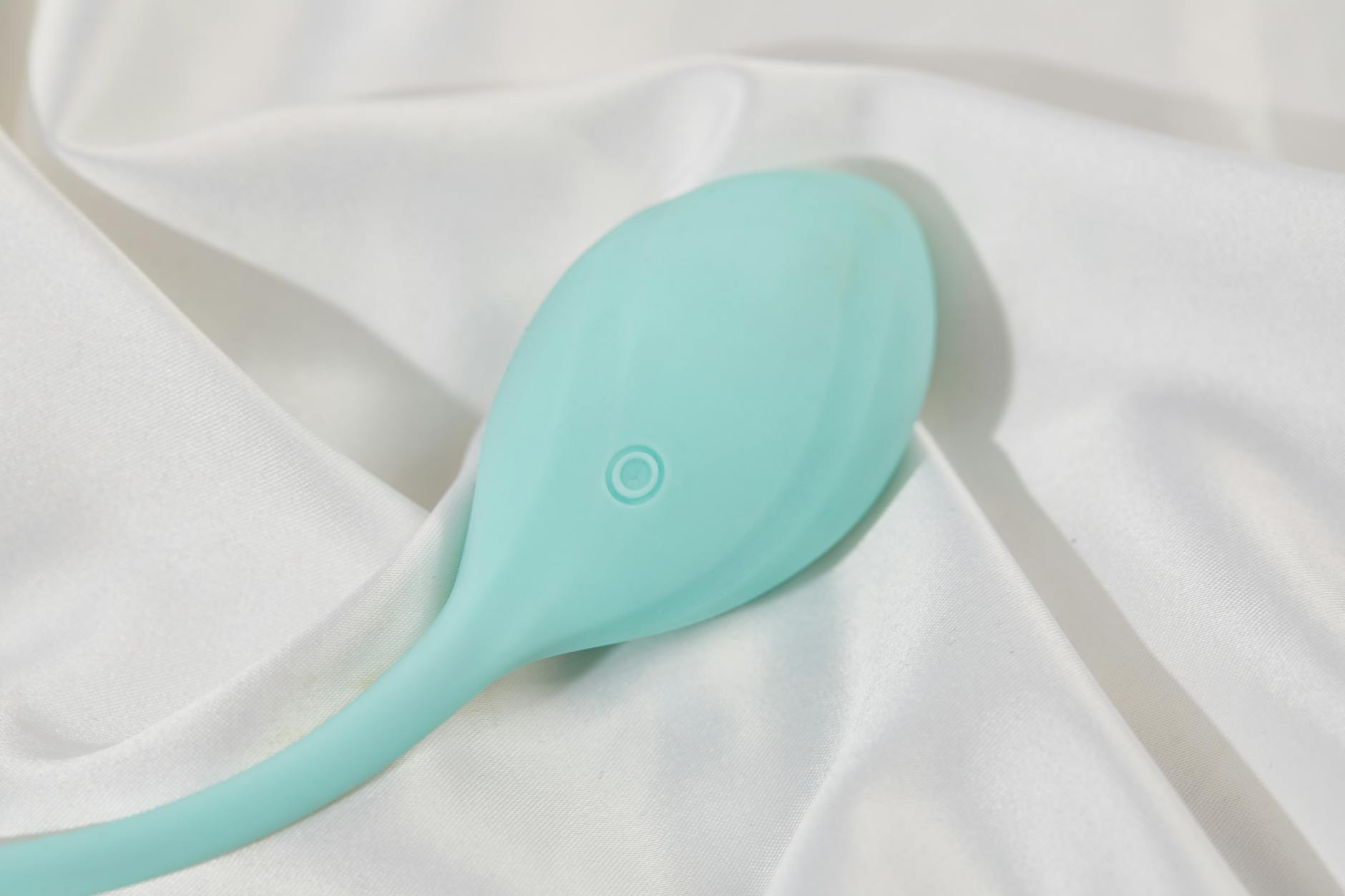
Photo by IFONNX Toys on Pexels
How suction works differently on sensitive clitoral tissue
When you use a lemon clitoral vibrator on sensitive tissue, here's what actually happens physiologically. The suction creates a gentle seal and pulls blood flow into the area without the shearing force of direct vibration. That blood flow naturally plumps tissue, reduces inflammation over time, and can actually decrease pain during subsequent sessions.
The sensation itself is also fundamentally different. Instead of a buzzing feeling, you get a rhythmic tugging or pulsing. For many people with sensitivity, that pulsation is either neutral or actively pleasurable, where the same person would find direct vibration unbearable.
This matters because pleasure and pain live close together neurologically. When you remove the pain component, the pleasure becomes accessible again. That's not mystical. That's just mechanics.
Starting with a lemon vibrator if your tissue is tender
Go slow. Not slow in the emotional sense, but slow in the literal application sense.
Start on the lowest setting. On most lemon adult toys, that's pattern 1 or 2. Many people new to lemon vibrators assume they'll need high intensity. With sensitive tissue, the opposite is true. Low intensity often produces stronger sensations because the tissue is already reactive.
Don't start with direct clitoral contact. Instead, position the Lem slightly off to the side, or rest it against the area above the clitoris (the mound or hood). You're mapping what feels good before you commit to direct contact. Most people discover they prefer this angle anyway, even without sensitivity.
Use lubrication, even if you're aroused. Water-based lube acts as a buffer and makes the seal more comfortable. It also prevents any irritation from friction during adjustment.
Budget 20 to 30 minutes for a session. With sensitive tissue, arousal builds slowly and the payoff is often more intense if you don't rush it. Let your body adapt to the sensation before you chase intensity.
What pain signals you should not ignore
Sharp pain, burning, or a sensation of tearing is your body's stop sign. Stop. This is different from discomfort during arousal, which usually feels like pressure or sensitivity that actually feels good once you're in it.
If pain persists across multiple sessions, or if it's happening during everyday activities (walking, sitting, wearing certain fabrics), you may be dealing with something that needs clinical attention. Vulvodynia, lichen sclerosus, and a handful of other conditions cause clitoral pain that won't resolve through technique alone.
See a gynecologist who has experience with vulvovaginal pain. Ask specifically for someone trained in pelvic pain or sexual health. The standard exam doesn't always catch these conditions, and neither will a provider who treats clitoral pain as a mental health issue rather than a physical one. It's usually both, but the physical part needs physical treatment.
Medications and sensitivity shifts
Certain medications can make clitoral tissue more sensitive or change how stimulation feels. Hormonal birth control, some antidepressants, and medications that reduce blood flow can all shift your baseline sensitivity.
If your pain or sensitivity started after starting a new medication, that's worth discussing with your prescribing doctor. There may be alternatives that don't create the same effect. Don't stop medication on your own, but do flag it as a side effect. Doctors usually can't solve it immediately, but they should acknowledge it and explore options with you.
Similarly, if you've recently used a lemon vibrator after starting antidepressants, sensitivity changes are normal. Many SSRIs reduce genital sensation initially. That usually improves over time, but in the meantime, lemon vibrators' gentler suction approach often works better than it did before medication.
The role of pelvic floor tension
Here's something most people don't realize: a tight pelvic floor amplifies clitoral pain. When your pelvic floor is clenched (from stress, habit, or previous pain), any stimulation feels more intense and often more uncomfortable.
Before a session with your lemon vibrator, spend five minutes just breathing. Deep belly breathing, not chest breathing. Breathe in for four counts, hold for four, exhale for six. This activates your parasympathetic nervous system and relaxes pelvic floor tension.
You can also spend a minute consciously relaxing your pelvic floor. It sounds weird, but the same way you can tense your bicep, you can release your pelvic floor. It's not intuitive, but it's trainable. Many people find that combining lemon clitoral vibrator use with pelvic floor relaxation cuts pain in half.
If you're dealing with significant pelvic floor dysfunction, a pelvic floor physical therapist can teach you real, measurable techniques. This isn't pseudoscience. It's mainstream physiotherapy, and it genuinely helps.
When to explore partnered use
If you've gotten comfortable using a lemon vibrator solo, partnered exploration is a different conversation. Your partner needs to understand that your sensitivity isn't about them, and that what feels good today might not feel good tomorrow because bodies aren't stable machines.
Communication here is nonnegotiable. "That intensity feels good" and "Actually, I need you to stop right now" are both instructions your partner needs to follow. If you're working with a partner who can't do that consistently, the problem isn't your body. The problem is the partnership.
For specific partnered techniques, how to use a lemon vibrator during partnered sex without interrupting flow has more detailed guidance. But the foundational rule is the same: your comfort and clear communication come first.
Recovery and pleasure timeline
Clitoral pain usually doesn't resolve overnight, even with the right technique. Most people see noticeable improvement within two to four weeks of consistent, gentle lemon vibrator use combined with the strategies above. That's not a medical guarantee, but it's a pattern I see consistently.
Some days will be harder than others. Stress, hormones, sleep, and relationship dynamics all affect your baseline sensitivity. On difficult days, you might need to use the Lem on an even lower setting, or you might skip it entirely. That's not failure. That's listening to your body.
The goal isn't to push through pain. It's to rebuild a version of pleasure that feels sustainable and genuinely good for you.
FAQ
Can a lemon vibrator help with vulvodynia or vestibulodynia?
A lemon clitoral vibrator may help with symptom management once you've been diagnosed and are working with a pelvic pain specialist. The gentleness of suction-based stimulation is often better tolerated than traditional vibrators. But vulvodynia and vestibulodynia require professional treatment (usually a combination of pelvic floor therapy, topical treatments, and sometimes medication). The vibrator is a tool within a larger treatment plan, not a standalone cure.
How often can I use a lemon vibrator if I have clitoral pain?
Start with once every two or three days if you're dealing with significant sensitivity. This gives tissue time to recover between sessions. As pain decreases and comfort increases, you can use it more frequently. Listen to your body. If you notice increased pain or irritation after use, space sessions further apart.
Does lube temperature matter when I'm using a lemon adult toy for sensitive tissue?
Yes, actually. Cold lube can feel startling on sensitive tissue. Warm it slightly by rubbing it between your hands or letting the bottle sit in warm water for a minute. Body-temperature lube feels gentler and more comfortable for most people with hypersensitivity.
Will using a lemon sucker make my sensitivity worse over time?
The opposite is generally true. Gentle, regular stimulation with a lemon clitoral vibrator often reduces pain and sensitivity over weeks. The key is "gentle." Aggressive or high-intensity use when you have pain will make it worse. Start low, stay low until comfort improves, then gradually increase.
What if my pain is worse on certain days of my cycle?
Hormonal fluctuations absolutely affect clitoral sensitivity. Most people are more sensitive in the luteal phase (after ovulation, before menstruation). On high-sensitivity days, use the lowest lemon vibrator setting or skip direct clitoral use entirely. This is normal, not a sign something's wrong.
Should I tell my partner about clitoral pain before using a lemon vibrator together?
Yes. Full stop. Your partner needs to know that your body is managing pain or sensitivity, and that your pleasure timeline might look different than theirs. This conversation isn't sexy, but it prevents resentment, misunderstanding, and pressure that can make pain worse. Honesty here actually improves intimacy.
Your clitoris is resilient, and your desire deserves space to exist even when sensation is complicated. A lemon vibrator isn't a fix for medical conditions, but it's often the gentlest entry point back into pleasure when standard approaches feel impossible. If pain persists, see a specialist. If it softens with the right approach, celebrate that. Your body's capacity to shift is stronger than you think.