Here's the thing about desire mismatch
One of you wants sex three times a week. The other wants it three times a month. Neither of you is wrong. Neither of you is broken. But the gap between you creates real tension, resentment, and loneliness on both sides.
The higher-desire partner feels rejected. The lower-desire partner feels pressured. Both of you end up avoiding the conversation entirely, which makes it worse.
A lemon vibrator won't fix a desire mismatch by itself. But it can do something more useful: it can become a tool for independence, pleasure, and honest communication that actually shrinks the emotional distance between you.
Why desire mismatches happen (and why they're so common)
There's a myth that couples should have synchronized libidos. We don't. Research consistently shows that about 35 percent of long-term partnerships report significant desire differences. This isn't a sign of incompatibility. It's just biology meeting life.
Desire drops for a thousand reasons: stress, antidepressants, hormonal shifts, parenting exhaustion, health issues, past trauma, or just being wired differently than your partner. Sometimes it's situational. Sometimes it's just who you are.
What matters isn't whether your desires match. What matters is whether you can talk about it without shame, blame, or pressure. Most couples can't, because we're taught that wanting sex equals loving your partner, and not wanting sex equals rejecting them. Both are false.
The problem with forcing it (and why solo pleasure changes the dynamic)
When desire mismatches go unaddressed, one of two things usually happens. Either the higher-desire partner stops initiating and builds resentment. Or they keep initiating and their partner feels guilty, obligated, or coerced into sex they don't actually want.
Neither scenario builds intimacy. Both build distance.
Here's where a lemon clitoral vibrator enters the picture differently than you might think. It's not about one partner using it while the other watches (though that can be part of it). It's about permission.
When a partner who wants more pleasure has access to independent pleasure, they stop needing their partner's body to meet a need their partner can't or won't meet right now. That's not rejection. That's honesty.

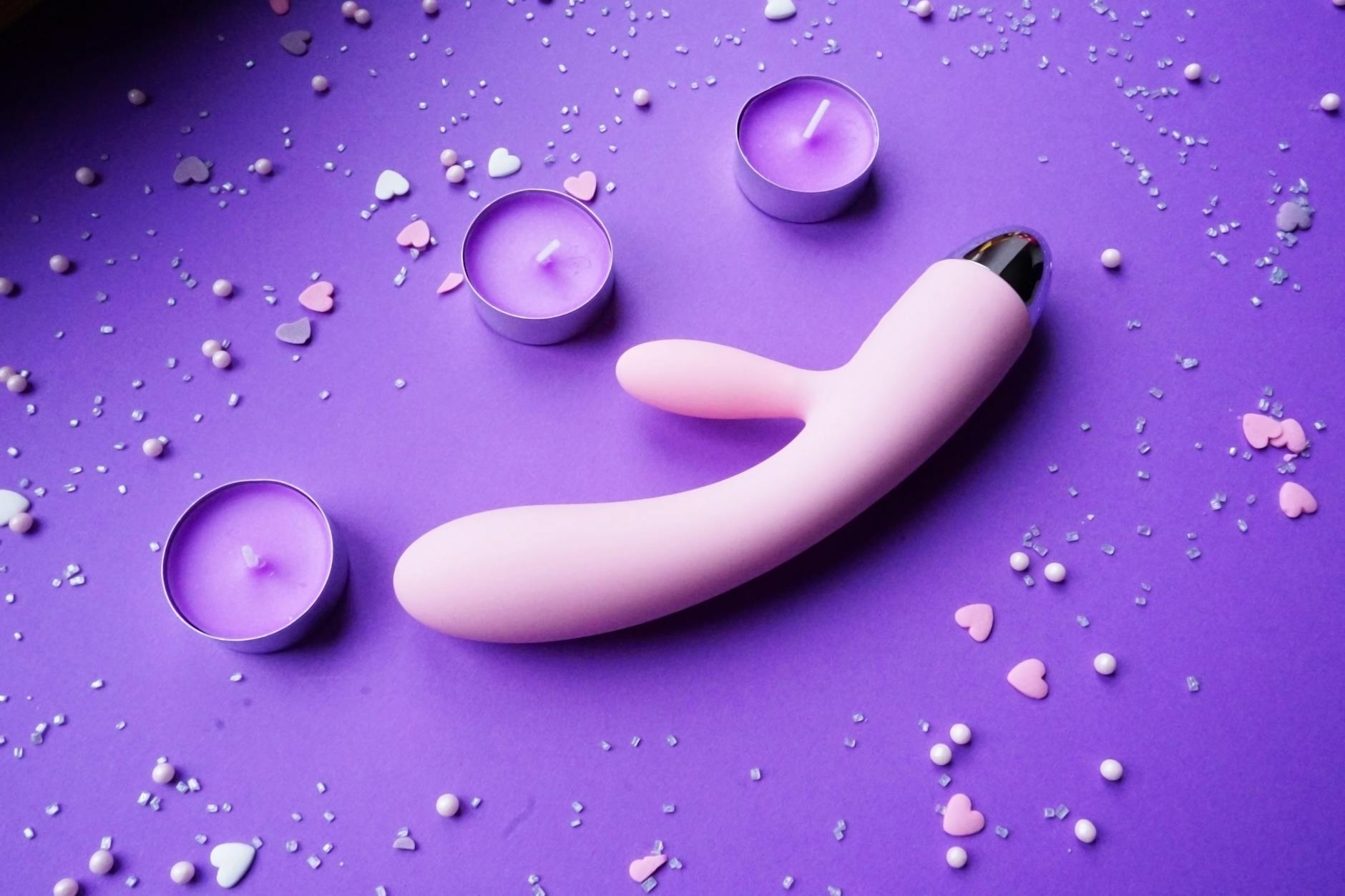
Photo by Anna Shvets on Pexels
How a lemon vibrator actually solves the emotional problem
You might expect me to say the solution is "just use it solo and problem solved." It's not that simple, but it's not complicated either.
When the higher-desire partner can meet their own pleasure needs with a lemon vibrator, several things shift:
1. The pressure lifts. Your partner stops associating "wanting sex" with "rejection of me." Sex becomes something you both choose, not something one person owes the other.
2. Desire often returns. Counterintuitive, but true. When lower-desire partners stop feeling obligated, they often find their own desire increasing. Obligation kills arousal faster than anything else.
3. The conversation becomes possible. Right now, talking about your desire differences probably feels like weaponized vulnerability. One of you gets hurt. One of you gets defensive. Neither of you actually listens. A lemon vibrator changes the subtext from "you're not enough for me" to "I need this, and you're still important to me."
4. You can stay connected without full partnered sex. Some nights, one partner might use a lemon vibrator while the other partner is present, touching them, or just nearby. Other nights, it's completely solo. The physical pleasure isn't shared, but the intimacy and communication are.
The conversation you actually need to have
Before introducing a lemon clitoral vibrator into your dynamic, you need to have the conversation you've been avoiding. Not the "why don't you want sex" conversation. That one always goes nowhere.
Instead, start here:
"I've noticed our desire levels don't match sometimes. That's normal, but it's been making me feel distant from you, and I don't want that. Can we talk about what we both actually need?"
Then listen. Not to defend. Not to fix. Just to understand.
You might learn that your lower-desire partner has pain during sex, or anxiety, or is just exhausted from their job and kids. You might learn that your higher-desire partner is using sex to manage anxiety, not because they're unsatisfied with you. You might learn that one of you wants foreplay that lasts an hour and the other wants fifteen minutes.
These are solvable problems. But they stay unsolvable as long as you frame desire difference as a character flaw.
How to use a lemon vibrator when desire doesn't match
Once you've had an honest conversation, here are the practical paths forward:
Path 1: Independent pleasure, separate timing. The higher-desire partner uses their lemon vibrator solo, on their own schedule, without it being part of partnered sex. This is the simplest setup. No pressure on the lower-desire partner. Clear boundaries. The higher-desire partner gets pleasure without needing anything from their partner.
Path 2: Collaborative intimacy without full penetration. Sometimes a lemon vibrator allows the higher-desire partner to reach orgasm during partnered touch that doesn't require the lower-desire partner to be fully aroused or available. One partner uses the vibrator while the other partner is present, kissing them, touching them elsewhere, or just being emotionally present. This preserves intimacy without demanding energy the lower-desire partner doesn't have.
Path 3: Scheduled connection with tools. Some couples find it helpful to have specific nights for partnered sex, and the higher-desire partner knows they can use a lemon vibrator on other nights. This creates predictability and removes the constant negotiation.
Path 4: Pleasure as foreplay. The higher-desire partner using a lemon vibrator first can actually increase the lower-desire partner's arousal. Watching your partner experience pleasure is often more arousing than you'd expect, and it takes the pressure off the lower-desire partner to perform.
Which path works depends entirely on your specific dynamic, your comfort levels, and your values. There's no universal answer. What matters is that you choose consciously, together.
The conversation shift that actually happens
Here's what I've seen with countless couples who introduce tools like a lemon vibrator into a mismatched-desire dynamic:
The conversation stops being "Why don't you want me?" and starts being "What do we both need to feel connected?"
That's not a small shift. That's the difference between a problem that fractures your relationship and a logistics question you can solve together.
The lower-desire partner often feels relief. They're no longer responsible for meeting a need they can't meet. The pressure dissolves. And sometimes, weirdly, that permission makes them want sex again. Not to please their partner. For themselves.
The higher-desire partner feels less rejected because their need for pleasure isn't tangled up with their partner's ability or willingness to provide it. They get to want sex AND feel loved by their partner. Those aren't mutually exclusive.
What doesn't work (the mistakes to avoid)
Don't introduce a lemon vibrator as a solution to hurt feelings you haven't actually addressed. If you're using it as a band-aid for deeper resentment, it won't help.
Don't surprise your partner with it. Don't frame it as "since you won't sleep with me, I'll use this." Do frame it as "I want us to feel closer, and I think this tool might help us both get what we need."
Don't use it as a replacement for affection or partnership. The point isn't for one of you to opt out of intimacy entirely. The point is to reduce the pressure so you can both be present when you do connect.
Don't assume your partner will feel comfortable with it immediately. Some partners need time. Some need to watch. Some need to understand that it's not about them being inadequate. That conversation takes patience.
FAQ
Will using a lemon vibrator make my partner less interested in sex with me?
The opposite usually happens. When the pressure lifts, desire often returns. What kills desire is obligation, resentment, and feeling like you have to perform. Independence paradoxically increases connection because both partners feel chosen, not obligated.
Is it weird if my partner wants to watch me use a lemon vibrator?
Not weird at all. Some partners find it arousing. Some find it helps them understand what you need. Some just like feeling close while you're having pleasure. If you're both comfortable, it can be a form of intimacy that doesn't require the lower-desire partner to be in a specific state of arousal.
What if my partner gets jealous of a lemon vibrator?
That's worth exploring, gently. Usually jealousy masks insecurity or a misunderstanding about what the vibrator means. A conversation helps: "This isn't about wanting someone or something else. This is about meeting my own needs so I'm not resenting you." Sometimes couples therapy helps untangle that.
Can a lemon vibrator actually improve our sex life if we have desire mismatch?
It can improve your emotional connection, which usually improves your sex life. But the real work is the conversation. The lemon vibrator is just a tool that makes the conversation possible.
How do I bring this up without my partner thinking I'm unhappy with them?
Be direct and kind. "I love you and I want us to feel close. Our desire levels don't always match, and I want to figure out how we can both feel satisfied." Then give them space to respond. Don't make it a proposal. Make it a conversation.
Should we look at using a clitoral vibrator together if I'm the lower-desire partner?
Only if you genuinely want to. Never as a compromise or obligation. The lower-desire partner using a lemon vibrator together with their higher-desire partner can be wonderful, but it only works if it's something you're excited about, not something you're doing to "fix" the relationship.
The real fix
A lemon vibrator isn't a cure for desire mismatch. Honest conversation is. A vibrator is just a tool that makes that conversation feel less threatening because it separates your partner's pleasure from your performance.
When you can both acknowledge that you want different things sometimes, and you can both meet your own needs without resentment, something shifts. You stop being adversaries in a sexual standoff. You become partners solving a shared problem.
That's where real intimacy lives.