Here's what no one tells you about reconnecting
When couples reunite after being apart, sex doesn't automatically snap back into place. The body remembers touch, but the nervous system needs time to trust it again. That gap creates friction, hesitation, and sometimes awkwardness that feels unfamiliar in a relationship that once felt effortless. It's not a sign the relationship is broken. It's a sign you need a bridge back to each other.
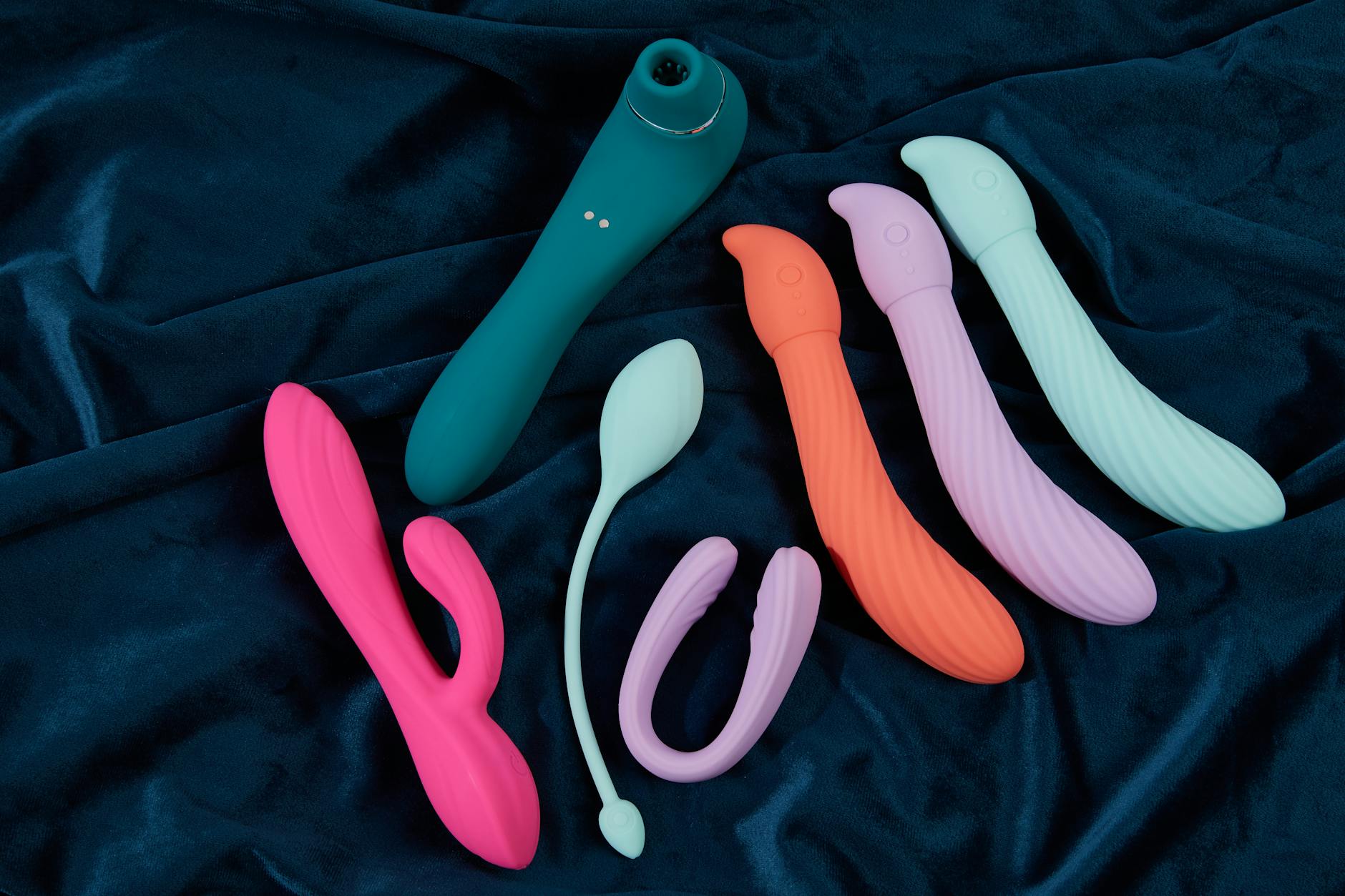
A lemon clitoral vibrator becomes that bridge. Not because it's magic, but because it removes the performance pressure that typically stalls reconnection. It gives both partners something to focus on besides "will this feel normal again?" And here's the thing nobody mentions: it often feels even better than it did before the gap, because you're both approaching it with genuine intention instead of habit.
Why the gap changes how your body responds
When partners are separated by work, family obligations, health issues, or even just the emotional distance that comes from stress, the body literally deprioritizes sexual response. Your nervous system isn't being activated regularly, so arousal takes longer to build. Your partner's touch might feel less familiar. The rhythm you once had together feels rusty.
This is not your fault. This is biology responding logically to what it perceives as a lower-priority connection. The longer the gap, the more pronounced the shift.
Adding a lemon clitoral vibrator into the reconnection process works because it does three things simultaneously. One, it provides consistent, reliable stimulation that doesn't depend on either partner's anxiety level or self-consciousness. Two, it gives you both permission to slow down. Three, it creates a shared focal point so you're not trying to navigate the awkwardness of "are you enjoying this?" in silence.
The communication piece comes first
Before you even touch a toy, talk about what the gap actually was. Not in a clinical way. In a real way. "We've been distant and I miss you" is different from "I want us to have more sex" and your partner needs to know which one you're saying. If the gap came from relationship strain, unfinished fights, or emotional disconnection, a vibrator isn't going to fix that. It can help you reconnect, but only if you're both actually willing to be present.
So the conversation goes something like: "I've noticed things have felt different between us, and I want us to get back to feeling close. Would you be open to reconnecting slowly, without any pressure?" That's it. You're not asking for a specific sexual outcome. You're asking for willingness.
Starting with lower-intensity settings
When you're reconnecting after a gap, the first instinct is usually to jump back to whatever worked before. Don't. Your body has changed, even if the changes are subtle. Your partner's touch might feel less familiar. The whole nervous system needs a slower reentry.
Start with the Lem on pattern one or two. Not because you'll need that forever, but because it lets both of you acclimate to the experience without overstimulation. The goal isn't an orgasm on the first try. The goal is remembering what pleasure with your partner feels like.
Take 20 to 30 minutes. This sounds long, but time is the thing that actually rebuilds intimacy after a gap. You're not rushing toward a finish line. You're remembering each other's body and your own capacity for response. Some sessions might not lead anywhere and that's completely fine. You're building trust again, which is slower work than building arousal.
How to integrate it with partner touch
Here's where the nuance matters. The lemon vibrator isn't a substitute for your partner's hands. It's a conversation starter between you. One way that works really well is alternating. Your partner uses their hands for a while. Then you introduce the vibrator. Then back to hands. Then the vibrator again.
This prevents the vibrator from becoming the "main event" and your partner from feeling replaced. It also keeps both of you engaged and present. You're literally taking turns leading the experience, which rebuilds the collaborative feeling that gets lost during a gap.
If your partner feels nervous about using the vibrator themselves, that's completely normal. Many people worry they're doing it "wrong" or that it means something about their ability to satisfy you. Clear that up fast: "I want this because I want more sensation and I want you to watch. It's about us, not about replacing you." Then show them. Hand them the vibrator and guide their hand while it's in use. That collaboration is where the magic actually is.
Lubrication and tissue sensitivity after a gap
If there's been a significant break, arousal takes longer. That means natural lubrication might be slower or lighter than you remember. Use a water-based lube from the start. Don't treat it as a sign something's wrong. Treat it as evidence that you need more time warming up, which is actually good. It forces you to slow down and prevents you from jumping to intensity before your body is ready.
The lemon clitoral vibrator works exceptionally well with lubrication because the suction mechanism creates a seal. A water-based lube enhances that sensation without reducing the effectiveness. Apply it generously and reapply as needed. This is not a hack. This is just how you use the tool correctly after a gap.
Managing anxiety while reconnecting
Reconnection anxiety is real. You might worry that your body won't respond the way it used to. Your partner might worry that you're not interested anymore. Both of these fears are unfounded but they feel very real in the moment.
A lemon vibrator actually addresses this by shifting focus away from performance and toward sensation. You're both paying attention to what feels good instead of monitoring how you look or whether you're "doing it right." That shift is huge for anxiety.
If you find yourself in your head during a session, that's a sign to pause, check in verbally, and maybe slow down even more. Anxiety and arousal can't coexist, so you need to discharge the anxiety before you can build the connection back. Sometimes that means stopping, talking, and just holding each other for a while before trying again.
Building back to regular intimacy
As reconnection sessions become more frequent and less anxious, you'll naturally move faster. The first time might be 30 minutes of gentle touch and vibration. By week three or four, you might be integrating it into fuller sexual experiences. That's how you know it's working. The vibrator becomes less of a bridge and more of just another tool in your shared experience, which is exactly what you want.
Most couples find that reconnection takes four to eight weeks of intentional sessions. It's not a sprint. The point is that the gap gets smaller, the communication gets easier, and the physical connection rebuilds on a foundation of genuine presence instead of muscle memory.
When to seek additional support
If the gap came from infidelity, betrayal, or deeper relationship wounds, a vibrator cannot heal that. What it can do is create space for you both to be physically present while you're also doing the harder emotional work, possibly with a therapist. Some couples benefit from sex-positive relationship counseling while they're reconnecting physically.
If desire remains completely absent even after several weeks of intentional reconnection work, that's worth discussing with your partner and possibly a therapist. A lemon vibrator is a tool, not a cure. It works best when both partners are genuinely willing to rebuild what's been lost.
The payoff
Honestly though, most couples who approach reconnection with patience and intention find that the physical experience afterward is actually richer than it was before. You're both more deliberate. You've had conversations you might never have had otherwise. You know each other's bodies and desires more explicitly. That's the real win here. The vibrator just gets you there faster and with less performance anxiety along the way.