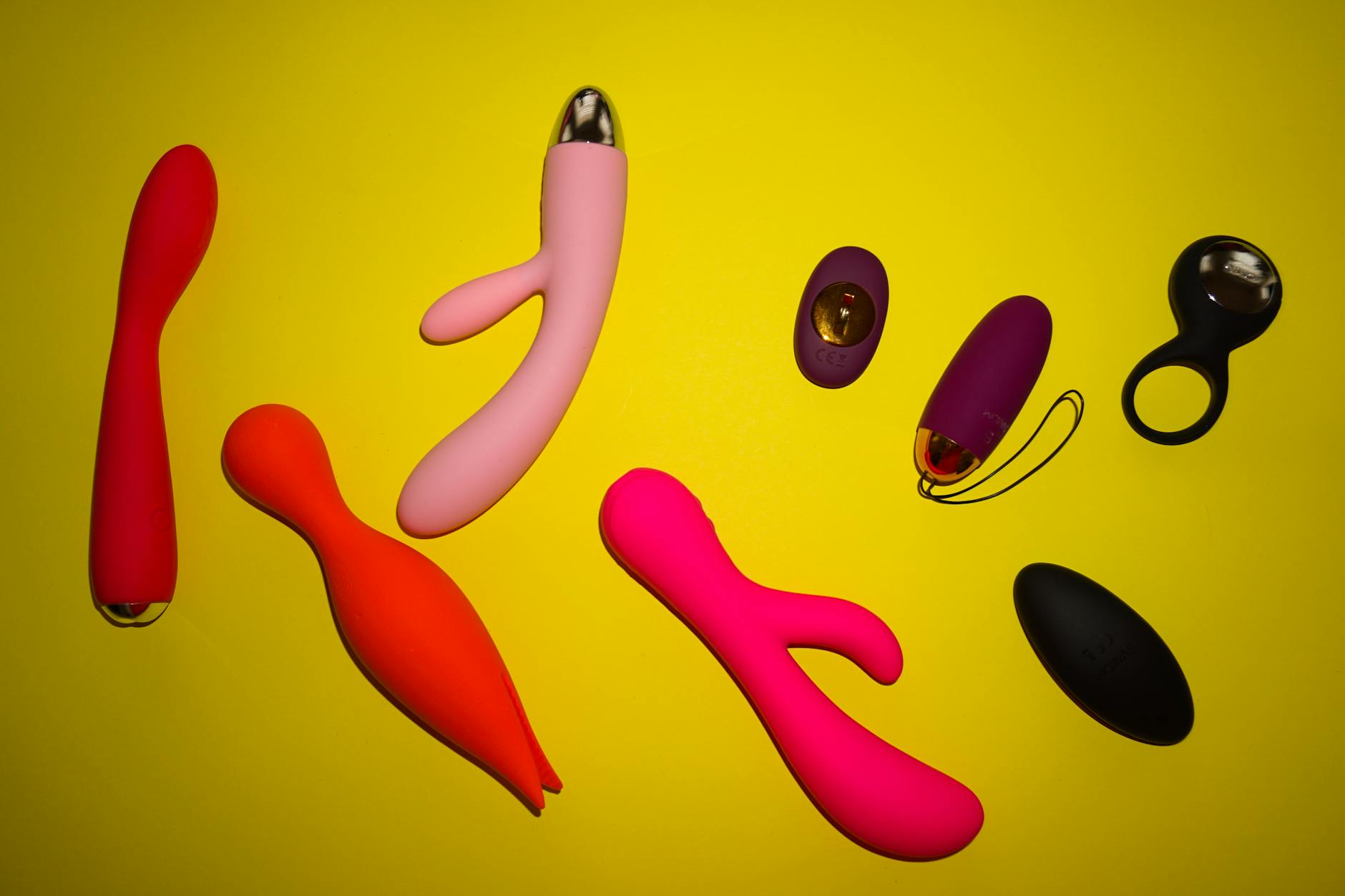
The sensitivity reality nobody talks about
Let's be real. You've probably bought a vibrator before and felt itching, redness, or burning that showed up within an hour. Maybe you thought it was normal. Maybe you just stopped using toys altogether. Both of those responses make sense, but neither is necessary.
Sensitivity to adult toys is wildly common, and most of the time it's not your skin that's the problem. It's the toy. The vulva is lined with mucous membrane, which absorbs whatever it touches faster than your forearm or thigh. That means cheap materials, chemical coatings, and porous manufacturing flaws hit harder down there than anywhere else on your body.
What actually causes toy allergies
There's no such thing as an allergy to vibrators in general. But there are real reactions to what vibrators are made of. Here's what to watch for:
Phthalates and softeners. Most cheap silicone contains phthalates, plasticizers that make the material feel softer. They leach into your tissues and trigger inflammation. Phthalate-free medical grade silicone costs more upfront because it requires actual quality control. That's worth it.
Latex and rubber. If you know you're latex-sensitive, obvious answer: avoid latex toys. Less obvious: some "silicone" toys actually contain latex in the base or seams. Always check the label.
Fragrance and dyes. Some manufacturers add scent or color to silicone, especially when they're targeting the novelty market. Skip those entirely. Your body doesn't benefit from a toy that smells like strawberries or glows in the dark.
Jelly rubber and cyber skin. These materials are porous. They trap bacteria, absorb fluids, and break down faster than solid silicone. They're also the usual culprit when reactions happen.
Bacterial colonization. Even with a body-safe material, if a toy isn't manufactured cleanly or isn't washed properly between uses, bacteria can trigger contact dermatitis that feels identical to an allergic reaction. This matters more than most people realize.
The material hierarchy for sensitive skin
If your skin is reactive, choose in this order:
1. Medical grade silicone. This is the gold standard. It's non-porous, hypoallergenic, and made without plasticizers. Medical grade silicone is what's used in implants and catheters because it's designed not to trigger immune responses. Lemon clitoral vibrators made from medical grade silicone are your safest bet.
2. Borosilicate glass. Some people switch to glass toys specifically because they're worried about silicone reactions. Glass is non-porous, completely inert, and easy to sanitize. The downside: it's cold, rigid, and doesn't flex. Some people love that. Others find it uncomfortable.
3. Stainless steel. Same benefits as glass, different feel. Steel is heavier and warmer to the touch than glass. It's also quieter. If you're sensitive, steel is solid, but make sure it's medical grade stainless steel (316L), not cheaply plated stuff that might flake.
Anything else requires caution. Always look for phthalate-free, non-porous materials. If the packaging doesn't say the material explicitly, or if it says "rubber" or "jelly," keep scrolling.
How to test a new toy before committing
You don't have to guess whether a toy will work for you. A patch test takes five minutes and saves you frustration.
Step 1: Clean the toy thoroughly. Use warm water and a fragrance-free cleanser, or a dedicated toy cleaner. Let it dry completely.
Step 2: Place it on clean, sensitive skin. Your inner forearm, behind your ear, or the inside of your wrist. Somewhere you can watch for reactions.
Step 3: Leave it there for 15 minutes without moving it around. Don't turn it on yet. You're testing the material itself, not the vibration.
Step 4: Remove it and wait an hour. Check for redness, itching, or welts. If nothing appears, repeat on vulvar tissue with a much smaller piece (like touching it to the outer labia, not insertion).
Step 5: If there's no reaction, try the toy on a low setting for 2-3 minutes. Most reactions happen within the first use, often within the first ten minutes. If you're fine after that, you're probably in the clear.
This is patient work, but it beats buying another toy that triggers inflammation.
Lube matters more than you think with sensitivity
The right lubricant can actually calm sensitive skin. The wrong one makes everything worse.
Water based lubes are your safest option because they don't interact with silicone and rinse clean. Some brands add glycerin, which can feed yeast overgrowth in people prone to infections. If you've had that problem, pick a glycerin-free water-based lube.
Silicone lubes damage silicone toys over time, so only use these with glass or steel. They're longer lasting and feel silkier, but they're overkill for testing.
Oil-based lubes look tempting because they feel luxurious, but they clog pores and trap bacteria. Skip them for toys. Coconut oil is natural, yes, but it's also a breeding ground for yeast in people with that tendency.
Whatever you choose, apply it generously. Friction is what triggers most reactions when toys are involved. Proper lubrication reduces friction and makes everything feel better.
Shop Lem Vibrator and material transparency
When you're shopping for lemon clitoral vibrators or any adult toy, the brand should make their material information obvious. If you have to email customer service to find out what's actually in the toy, that's a red flag. Companies that stand behind their products put it right on the page.
Medical grade silicone costs more to manufacture, and honest brands will say so. If two lemon vibrators are priced identically and one claims to be medical grade while the other doesn't specify, the cheaper one is probably hiding something.
What to do if a reaction happens anyway
You tested it, you did everything right, and your skin still reacted. This happens. Immune systems are weird.
Stop using the toy immediately. Continuing will make the reaction worse.
Rinse the area thoroughly with cool water. Don't scrub it. Pat dry gently.
Apply a fragrance-free moisturizer or barrier cream. Something simple like CeraVe or a basic coconut oil (externally only for this purpose) can help.
Take an over-the-counter antihistamine if the itching is intense. Your body might be having a histamine response, and antihistamines can help.
See a gynecologist if the reaction doesn't clear in 24-48 hours. What feels like an allergic reaction might be a yeast infection or bacterial vaginosis that just happened to coincide with using the toy. A doctor can tell the difference.
Don't assume you have to give up on toys entirely. You just need to find the right material.
Building your sensitive-skin toy kit
Once you've found a material that works, you can branch out. Medical grade silicone is reliable enough to expand into different shapes and textures. Glass and steel are limited because of how rigid they are, but if they work for you, they're worth keeping.
Start with one toy you've tested. Use it for at least a week before buying another. Once you know your body's boundaries, shopping gets easier. You'll recognize material descriptions, you'll know which brands actually test for purity, and you'll be able to spot marketing smoke when companies claim something is body-safe without backing it up.
Your pleasure deserves a body-safe foundation. That foundation is cleaner materials, careful testing, and brands that actually care about transparency. Shop Lem Vibrator prioritizes medical grade silicone specifically because people with sensitive skin deserve toys that work with them, not against them. Once you've found something that fits, the whole landscape shifts. You're not managing allergies anymore. You're just enjoying yourself.
People also ask
Can you be allergic to silicone toys?
True silicone allergies are extremely rare. What's much more common is a reaction to phthalates, softeners, or bacterial buildup in non-porous materials. Medical grade silicone is phthalate-free and non-porous, so reactions are even less likely. If you've had a bad reaction to a silicone toy before, it was probably cheap silicone with additives, not medical grade silicone itself.
How do I know if a vibrator is actually medical grade silicone?
Legitimate companies will state it clearly in the product description or material specs. If you have to dig, ask customer service directly via email and see how they respond. Companies confident in their materials answer these questions immediately. They also usually price medical grade toys higher because the material and manufacturing actually cost more. If something claims to be medical grade but costs the same as toys explicitly made from cheaper materials, be skeptical.
Is borosilicate glass better than silicone for sensitive skin?
For pure material safety, they're equivalent. Glass is completely inert and non-porous, so it won't trigger reactions. The tradeoff is that glass is rigid, cold, and heavy. Some people find that more uncomfortable than silicone. It comes down to what feels better to you. If silicone works, stick with it. If you've had problems, glass is worth trying.
Can I use my lemon vibrator if I have a yeast infection?
No. Toys can reinfect you or spread the infection. Wait until the infection clears completely (usually 3-7 days with treatment, plus a few extra days to be safe). Once you restart, wash the toy thoroughly with hot water and a fragrance-free cleanser, and use fresh lube. If yeast infections keep coming back after toy use, your toy might be harboring bacteria. Some people switch to glass or steel specifically because they're easier to fully sanitize.
Should I buy a toy that's fragrance-free or unscented?
Always fragrance-free, especially if you have sensitive skin. Scents are added for novelty, not function. They can disrupt your natural pH balance, trigger allergic reactions, and make infections more likely. Unscented also smells better after a few months of storage because there's no perfume masking the silicone smell. Your vulva doesn't benefit from strawberry or vanilla flavor. It benefits from clean material.
What's the difference between hypoallergenic and body-safe?
Hypoallergenic means something is less likely to trigger an allergic reaction, but it's not a guarantee. Body-safe usually refers to materials that are non-toxic and non-porous. Medical grade silicone is both hypoallergenic and body-safe. Cheap silicone might be neither. Look for specific material descriptions rather than buzzwords. "Medical grade silicone, phthalate-free" tells you more than "hypoallergenic" or "body-safe" alone.