
Here's the thing about diabetes and sensation
Diabetes doesn't just affect your blood sugar. High glucose levels damage the tiny nerve endings in your skin, a condition called neuropathy. When it hits your genitals, sensation doesn't disappear overnight. It fades. Pleasure feels muted, distant, like you're touching yourself through a thick layer of fabric. Orgasms either take forever or feel underwhelming. Both are frustrating, and both are real.
The good news: this isn't a personal failure, and it's not permanent. Sensation can absolutely improve with better glucose control. And in the meantime, the right tools can make a massive difference.
Why traditional vibrators often don't cut it
Standard vibrators rely on simple oscillation. They shake back and forth at a set frequency. For someone with full sensation, that works fine. For someone with neuropathy, it often feels like background noise. The stimulation doesn't reach the deeper nerve endings that still function. You end up chasing orgasm and never quite catching it.
This is where suction-based stimulation changes the game. Instead of vibration alone, lemon clitoral vibrators use gentle air-pulse technology that creates a sucking sensation. This stimulates a different set of nerves, ones that tend to remain responsive even when surface sensation has dulled. The effect is more intense without being more aggressive.
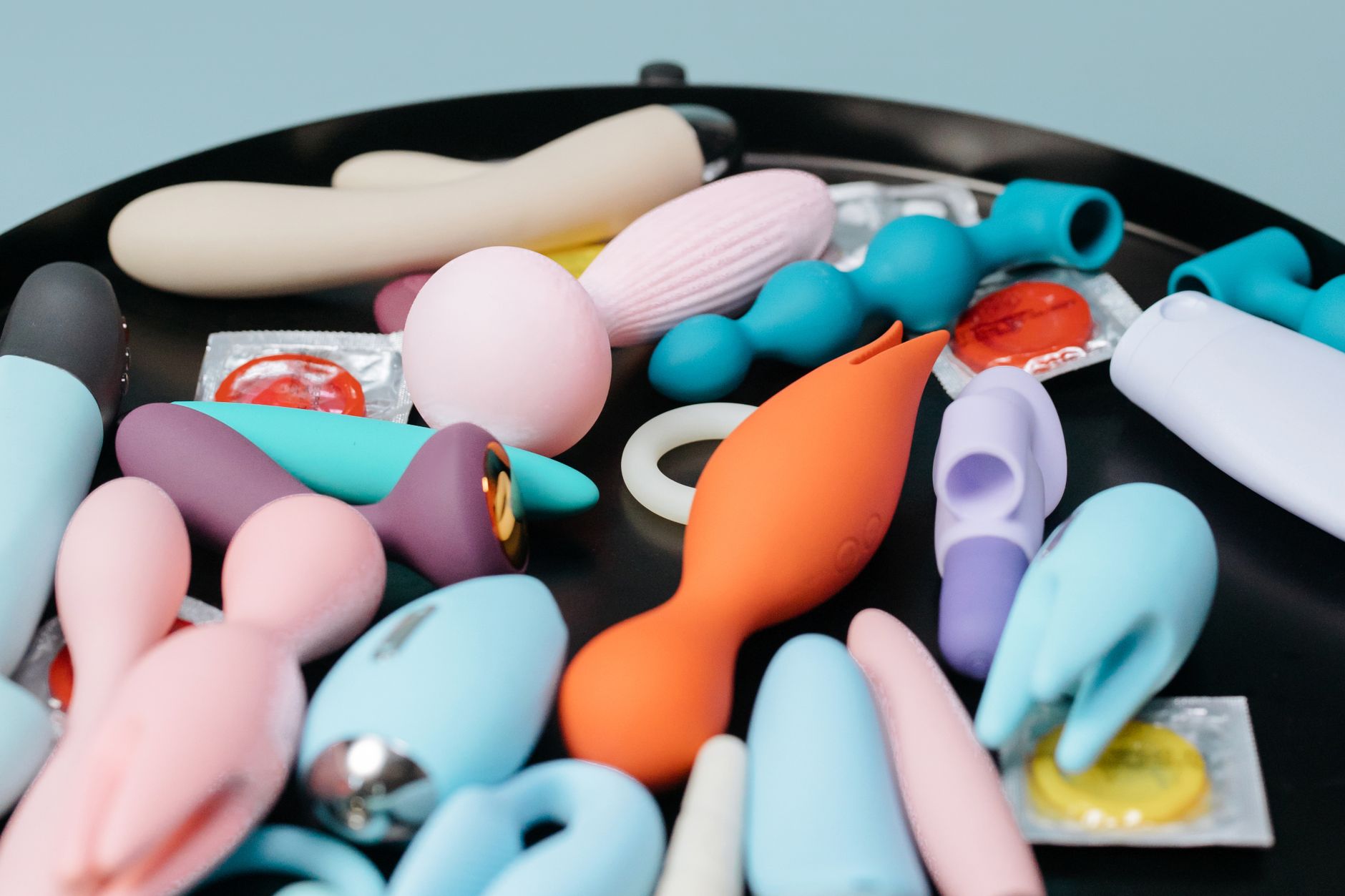
Photo by cottonbro studio on Pexels
How suction stimulation works differently
Think of it this way: vibration is surface-level stimulation. Suction is deeper. It pulls on tissue, activating pressure-sensitive nerves that sit below the outer layer of skin. For people with neuropathy, these deeper nerves are often less affected than the superficial ones.
Lemon clitoral vibrators typically have multiple intensity settings. Starting on pattern one means the suction pulse is gentle and slow. You build from there. This gradual approach gives your nervous system time to register each sensation without overwhelming what's left of your feeling.
The other advantage: you can't apply too much pressure and end up with tissue irritation without realizing it. With manual stimulation or traditional vibrators, neuropathy can mask pain. You might accidentally bruise yourself. Suction-based lemon vibrators distribute pressure more evenly, and the air-pulse pattern naturally limits how hard stimulation can be.
What to expect when you start
If your sensation is significantly dulled, your first experience with a lemon clitoral vibrator might surprise you. You may feel the suction immediately, or sensation might take 5-10 minutes to register. Both are normal. Your nervous system is relearning a pattern it hasn't felt in a while.
I recommend setting aside 20-30 minutes for your first session, not because you need that long to orgasm, but because there's zero pressure to perform. Some people orgasm within 5 minutes once they find their rhythm. Others take 15-20. Some sessions won't lead to orgasm at all, and that's fine. The point is to train your nervous system to recognize and respond to this different kind of stimulation.
Use water-based lubricant. Even if you don't think you need it, use it anyway. Lube reduces friction and helps the suction seal work more effectively. It also protects sensitive tissue if sensation is so low that you can't register early signs of irritation.
The role of glucose control
Here's what matters: lemon vibrators work better when your glucose levels are improving. This isn't because the vibrator changes. It's because as glucose control improves, nerve damage stops progressing and can even begin to reverse. Sensation naturally comes back.
So using a lemon clitoral vibrator while managing your diabetes through diet, medication, and movement is a two-part strategy. The vibrator bridges the gap while your body heals. And as sensation returns, you might find the vibrator still works wonderfully, just in a different way.
Check in with your doctor or diabetes educator about your glucose targets. If you're struggling to stay in range, that's worth addressing not just for pleasure, but for your overall health and nerve recovery.
When sensation is completely absent
If you have nearly zero sensation in your genitals, lemon vibrators alone might not be enough. Some people find that combining genital stimulation with stimulation elsewhere helps. This could mean using a wand vibrator on your inner thighs or using lemon suction on the clitoris while your partner touches your breasts or other sensitive areas. Multisensory input can trigger arousal and orgasm even when one channel feels numb.
You might also benefit from exploring mental strategies alongside physical tools. Guided erotica, fantasy, or partnered dirty talk can activate the brain's pleasure center in ways that pure physical stimulation sometimes can't. The goal is arousal, and arousal is both physical and mental.
If you're still not experiencing much, talk to your doctor about whether medication adjustments or other treatments might help. Some diabetes medications can affect sensation and libido. It's worth asking.
Partnered use with neuropathy
If you have a partner, using a lemon clitoral vibrator together can actually deepen intimacy. Your partner can hold the vibrator, let you direct the intensity, and watch your responses. This takes pressure off you to "perform" and lets them be part of the process.
Talk first about what you're hoping for. "I want to see if this works for me" is enough. You don't need to promise anything. Some sessions will feel amazing. Others won't. That variability is part of living with diabetes, and a good partner gets that.
Maintenance and aftercare
After you use a lemon clitoral vibrator, rinse it with warm water and mild soap. Dry completely before storage. Keep it away from extreme temperatures. These aren't just maintenance tips. Proper care prevents bacterial growth, which matters more when your sensation is already compromised and you might miss early signs of infection.
Pay attention to your skin. If you notice any redness, irritation, or rawness after use, skip the next session and give your tissue time to recover. Your neuropathy might mean you don't feel pain, so visible inspection is your safety check.
The bigger picture
Diabetes changes a lot. Pleasure doesn't have to be one of those things. With the right approach, better tools, and patience with yourself, sensation and orgasm are absolutely possible. Lemon vibrators work particularly well for this because they engage your nervous system differently than what you might have tried before.
Your body is managing a chronic condition. It deserves care and pleasure, not punishment or deprivation.
People also ask
Can you use lemon vibrators if you have diabetic neuropathy?
Yes. In fact, lemon clitoral vibrators are often better for neuropathy than traditional vibrators because suction-based stimulation reaches deeper nerve endings that are less affected by surface-level nerve damage. Start on a low setting and give your body time to respond.
How long does it take to feel sensation with a lemon vibrator if you have diabetes?
It varies. Some people feel the suction immediately. Others take 5-10 minutes for their nervous system to register the sensation. If you've had neuropathy for a long time, your first sessions might feel like very little. Keep trying. Sensation often improves with repeated gentle stimulation.
Will orgasm feel different when you have diabetes-related neuropathy?
Yes, typically. Orgasms may feel less intense, arrive less predictably, or require longer warm-up time. As glucose control improves and nerve damage stabilizes, orgasms often become more intense again. Using lemon sexual toys can help bridge this gap.
Should you use lubricant with a lemon vibrator if you have neuropathy?
Always. Lube reduces friction, helps the suction seal work better, and protects tissue that may not be sending pain signals if irritation starts. Water-based lubricant is safest and works well with silicone lemon vibrators.
Can you combine lemon vibrators with other treatments for diabetic neuropathy?
Yes. Using a lemon clitoral vibrator while managing glucose levels, taking prescribed medications, and working with your healthcare team is exactly the right approach. The vibrator doesn't replace medical treatment. It's a tool that works alongside it.
What if a lemon vibrator doesn't work for you?
Try different patterns and intensities. Give it 3-5 sessions before deciding. If it still doesn't help, talk with your doctor about whether your neuropathy is progressing or whether other factors are at play. Sometimes pleasure returns when glucose control improves, not with a different toy.
What comes next
Diabetes is manageable. So is pleasure. Start with a lemon clitoral vibrator on a low setting, give yourself time and grace, and pay attention to what feels good. Your sensation may improve as your glucose control does. And in the meantime, you deserve to explore what your body is capable of.
If you have questions about how to integrate pleasure tools into your diabetes management or relationship, we're here to help. Reach out anytime.