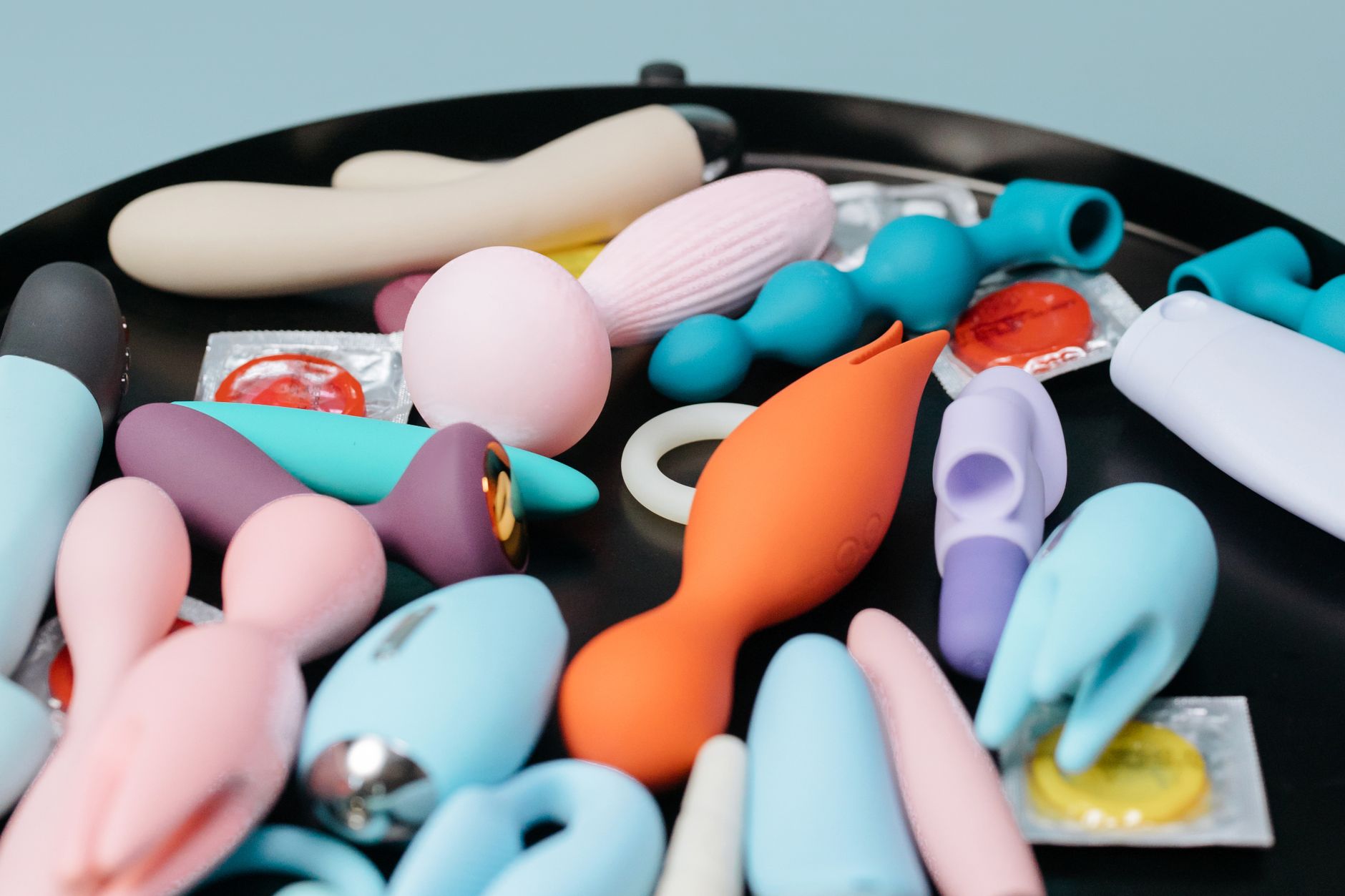
Let's talk about what perimenopause actually does to pleasure
Perimenopause doesn't arrive with a memo. It sneaks in through irregular cycles, unexpected hot flashes, mood swings, and a nagging feeling that your body isn't responding the way it used to. And yeah, that includes your pleasure response. But here's the thing: changes don't mean the end. They mean recalibration.
For most people with clits, perimenopause lasts 8 to 10 years. During that time, estrogen and progesterone ping-pong unpredictably. One month your tissues feel normal. The next month, they don't. Your brain chemistry shifts. Sleep gets weird. And sexual sensation? That becomes a moving target.
This is exactly when a lemon clitoral vibrator becomes your best research partner. Not because you're broken, but because suction-based stimulation works differently than vibration alone when your body is in flux.
How hormonal swings affect clitoral sensitivity
Estrogen does a lot more than regulate your cycle. It thickens vaginal tissue, increases blood flow to the pelvic region, and directly impacts how sensitive your clitoris is to touch. During perimenopause, estrogen levels fluctuate wildly. Some days it's high. Other days it tanks. This creates a sensitivity spectrum you might not have experienced before.
When estrogen dips, your clitoris can feel either hypersensitive or numb. Not broken. Not permanently altered. Just temporarily different. The nerve endings are still there. The brain pathways are still there. The tissue just has less estrogen plumping it up, so the sensation registers differently.
This is why direct vibration sometimes feels too intense during a low-estrogen phase. It's also why a lemon vibrator's air-pulse suction often feels more intuitive. Suction creates a different kind of pressure than conventional vibration. It's gentler on tissue that's thinner or more irritated, while still delivering intense stimulation to the nerve clusters that matter.
The perimenopause pleasure timeline
Perimenopause doesn't hit everyone the same way, but here's a rough pattern I see in clients:
Months 1-3 of irregular cycles: You might notice arousal takes longer. Lubrication isn't as automatic. A lemon vibrator at lower intensity settings (patterns 1-2) often works better than your old go-to setting. Your body isn't lazy. It's just processing estrogen differently.
Months 4-8 of irregular cycles: This is when some people experience heightened sensitivity. Touch that felt pleasant now feels sharp. This is where many people make the mistake of avoiding sensation altogether. Instead, try starting with the Lem on its lowest setting, or use it over clothing briefly to see how your body responds that day.
Months 9+: Your cycle might stabilize for a few months, then tank again. By this point, most people figure out their current sweet spot. The key insight: your sweet spot might change month to month. That's not failure. That's data.
Why lemon suction works differently in perimenopause
A lemon clitoral vibrator uses gentle suction to stimulate the clitoris, rather than direct vibration. This matters during perimenopause for three specific reasons.
First, suction doesn't require direct friction. When your clitoral tissue is thinner or more sensitive due to dropping estrogen, direct vibration can feel too intense or even slightly painful. Suction creates a broader pressure wave that stimulates the nerve endings without the same mechanical edge. It's like the difference between someone poking your arm versus giving it a gentle squeeze.
Second, suction adapts to your tissue thickness. The Lem's suction mechanism responds to your body's actual anatomy. If your tissues have thinned, the suction adjusts naturally. If you're having a high-estrogen day and your tissues are plump, the sensation intensifies accordingly. Vibration just... vibrates. The lemon sucker learns your body.
Third, suction builds sensation more gradually. During perimenopause, some people find that arousal takes 15-25 minutes instead of 5-10. Suction allows you to layer stimulation over time. You can start at pattern 1, stay there for several minutes, feel your body wake up, then move to pattern 3 or 4. It's a conversation, not a transaction.
The role of lubrication during this transition
Even people who've never needed lube might find it essential during perimenopause. Estrogen supports natural lubrication, so as levels fluctuate, your body's baseline moisture changes. This doesn't mean anything is wrong with you. It means your environment is changing.
Water-based lubricant works beautifully with a lemon vibrator. It reduces friction, increases glide, and lets the suction mechanism work more effectively. Apply it to both your clitoris and the Lem's opening. Reapply every few minutes if you're going longer than 10 minutes. This isn't a sign of dysfunction. It's just smart maintenance.
If you find yourself reaching for lube more often than you used to, that's not a problem to solve. That's a signal that your body's needs have shifted. Lean into it.
Intensity settings and finding your new baseline
Here's a practical reframe: forget what "worked" for you before perimenopause. Your baseline is different now, and that's information, not tragedy.
Start with the Lem on pattern 1 or 2. Spend time there. Get curious about what that feels like. Some days it'll feel amazing. Other days, you'll need pattern 4 or 5 to feel anything. Both are normal.
If you find yourself going straight to the highest intensity, pause. Notice whether you're chasing sensation because you're genuinely turned on, or because you're frustrated that it's taking longer. These are different problems with different solutions. If you're genuinely aroused and want more intensity, go for it. If you're frustrated, stepping back and extending your foreplay actually works better than cranking up the power.
What to do if sensation feels numb
Clitoral numbness in perimenopause usually comes from either very low estrogen or from using intense stimulation too frequently. If numbness hits, step back. Use the Lem at lower intensities for a few days. Give your nerve endings recovery time. Then try again.
If numbness persists beyond a week or two, talk to your doctor. Low estrogen can be treated, often with topical estrogen creams that have minimal systemic absorption. You don't have to white-knuckle your way through this part of your life.
The emotional side of sensation changes
Here's what nobody warns you about: the emotional hit of your pleasure changing. Your body has been reliable. Now it's not. That can feel destabilizing even if the physical changes are minor.
This is where I recommend pausing the pursuit of orgasm and just exploring sensation. Use your lemon vibrator for 10 minutes with zero goal except noticing what you feel. No pressure to come. No checking the clock. Just data gathering. Most people find that the anxiety about performance creates more numbness than the perimenopause itself.
If you have a partner, this is a good time to reconnect around pleasure without making it about outcome. How to use lemon vibrators to improve intimacy after reconnecting with a partner can help frame this conversation.
When to reach out for support
Clitoral pain during perimenopause deserves attention. Numbness that lasts more than a few weeks deserves attention. Desire that completely vanishes deserves attention. You're not overreacting. You're taking your pleasure seriously, and that matters.
A doctor trained in perimenopause and menopause can run tests, check your hormone levels, and discuss whether topical or systemic hormone support makes sense for you. This isn't giving up on your body. This is partnering with someone who knows the biology.
The actual good news
Most people find their rhythm again in perimenopause. Sometimes it takes a few months. Sometimes it takes a year. But the pleasure doesn't disappear. It transforms. And often, once you get on the other side of perimenopause, you find that your body is actually more responsive, not less. The anxiety lifts. The uncertainty resolves. You know what works.
A lemon vibrator is a smart companion during this transition. Not because you need fixing, but because you deserve support while your body figures out its new normal.
People also ask
Why does my clitoris feel more sensitive during perimenopause some days and numb other days?
Estrogen and progesterone fluctuate unpredictably in perimenopause. Estrogen directly impacts clitoral sensitivity and blood flow to the pelvic region. On high-estrogen days, your tissues are plumper and more responsive. On low-estrogen days, the same touch might feel dull. Both are normal. Your body isn't broken. It's just processing hormone levels that change week to week.
Can I use a lemon clitoral vibrator safely during perimenopause?
Absolutely. A lemon vibrator is gentle enough for sensitive perimenopause tissue and effective enough to deliver stimulation on low-estrogen days when you need more input. Start with lower intensity settings and adjust based on how your body feels that day. If you experience pain, stop and talk to your doctor.
Does perimenopause affect how often I should use a vibrator?
Not necessarily. Some people find they want more frequent pleasure during perimenopause because sensation changes keep things interesting. Others find they want less because the unpredictability feels frustrating. Listen to your body. If you're using a lemon vibrator daily and sensation keeps fading, take a day or two off and let your nerves reset. If you're using it twice a week and it feels great, that's perfect.
Should I use lube with a lemon vibrator during perimenopause?
Yes. Even if you didn't need it before, you probably will now. Estrogen supports natural lubrication, and as estrogen fluctuates, your baseline moisture changes. Water-based lube is compatible with the Lem and makes the suction mechanism work more effectively. Apply it generously and reapply every few minutes during longer sessions.
How long does it take for pleasure to feel normal again after perimenopause ends?
This varies, but most people find their new sexual baseline within a few months after their last period. Many report that pleasure actually feels stronger post-menopause because the anxiety about hormonal changes lifts. Hormonal fluctuation is what creates uncertainty. Once that cycle ends, your body stabilizes, and most people discover they're actually more responsive, not less.
What if my partner notices the changes in my sensitivity?
Talk about it directly. Perimenopause is a biological reality, not something to hide or feel embarrassed about. Many partners appreciate knowing that sensation has shifted, because it helps them understand why something that felt good last month might feel different this month. This is a chance to explore together and build new intimacy patterns.
The takeaway
Perimenopause is a transition, not a tragedy. Your lemon vibrator is designed to work with your body as it changes, not against it. Some days you'll crank it to maximum. Other days you'll start at pattern 1 and spend 20 minutes building up. Both are success. Both are information. Both are part of knowing your body in this phase of your life.