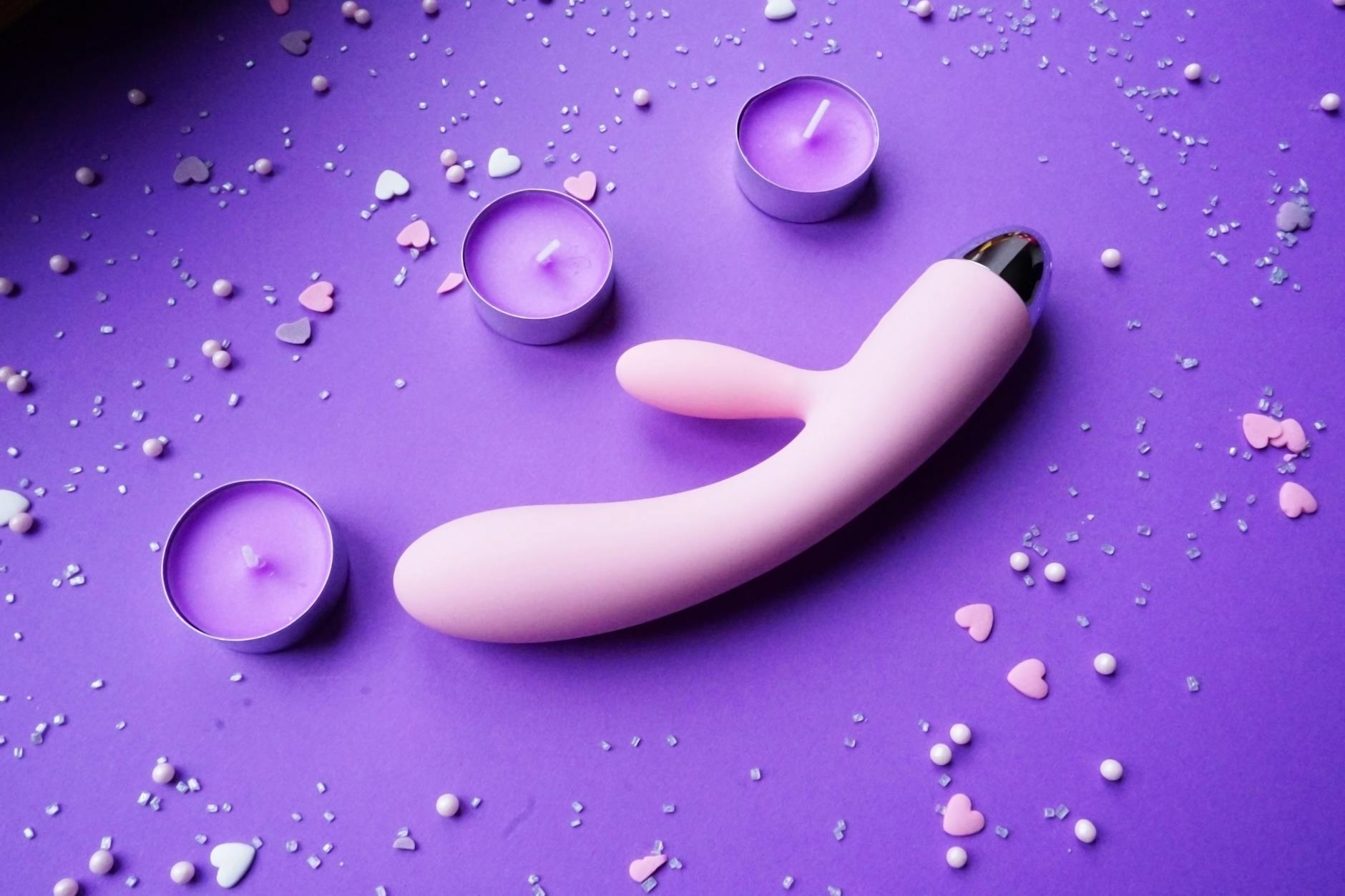
Let's settle this once and for all
If you've spent any time shopping for clitoral toys, you've hit this wall: wand vibrator or lemon vibrator. Both promise incredible orgasms. Both have cult followings. And both feel completely different in reality.
The problem is that most comparisons treat them like competing products when really they're two entirely different technologies doing two entirely different things to your body. Knowing which one wins for you requires understanding how they actually work, not just which one has better reviews.
How suction actually works on the body
A lemon vibrator uses a technology called pneumatic suction. Here's the plain-English version: it creates a gentle seal over the clitoris and then rhythmically removes and releases pressure. This stimulates the nerve endings through what feels like a pulsing, rolling sensation.
The key thing happening is that suction reaches deeper structures. Your clitoris isn't just the visible external part. Most of it extends internally, surrounding the vaginal opening like a wishbone. When you apply suction, you're stimulating not just the glans (the little bud on top) but also the internal bulbs and crura. That's why many people report that orgasms from suction feel full-body and sustained rather than localized.
Suction also doesn't cause the same kind of numbness that vibration can. Because the stimulation is rhythmic pressure rather than constant micro-vibrations, the nerves don't desensitize as quickly. This matters enormously if you've ever had a wand vibrator go numb partway through.
How vibration stimulates differently
A wand vibrator works through direct oscillation. The vibrating head moves at a specific frequency (usually between 50 and 300 Hz depending on the model) and transmits those micro-movements directly through tissue.
Vibration is more intense and more immediately gratifying for most people. It's also more predictable. You press it on, you feel the vibration immediately, and the pattern is consistent. This directness is why wands are often recommended for beginners or for people with lower sensitivity.
But there's a tradeoff. Because vibration works through constant stimulation of the same nerve endings, many people experience what I call the "plateau problem." You reach a certain level of arousal, the same vibration keeps pushing, but you can't seem to tip over the edge. Or you get close, the nerves get a little numb, and you have to stop and wait for sensation to return.
Pressure and tissue sensitivity matter more than you think
Here's where the comparison gets interesting. A wand vibrator is designed to press directly against tissue with significant force. Most wands require you to hold them at 5 to 15 pounds of pressure against your body to feel the vibration effectively.
A lemon vibrator creates its sensation through suction, which means it can work with much lighter contact. In fact, with lemon clitoral vibrators, light contact is usually better. You're not grinding a vibrating head into your tissue. You're creating a seal and letting the rhythm do the work.
This is why people with sensitive tissue, post-childbirth bodies, or anyone dealing with vulvodynia often find lemon vibrators more comfortable. The sensation still builds, still intensifies, but you're not subjecting delicate tissue to repeated mechanical pressure.
Speed, intensity, and endurance
Wand vibrators typically offer multiple speed settings, from a low rumble to a very high frequency buzz. This variability is genuinely useful. You can start slow, build up, and experiment with different intensities during a single session.
Lemon toys like the Lem offer different intensity patterns rather than simple speed adjustments. The difference is that patterns create rhythm and variation automatically, whereas a wand's speed is just more or less of the same thing.
For endurance, suction usually wins. Because the stimulation isn't mechanically fatiguing tissue, many people can enjoy lemon vibrators for longer sessions without discomfort. Wands can also be used for extended periods, but some people hit a sensitivity wall after 15 to 20 minutes.
The partner factor: solo versus partnered use
This is where your choice might flip based on context. If you use toys during partnered sex, a wand vibrator is often easier to manage. They're heavier, more stable, and you can hand it to a partner or position it more easily during penetration.
Lemon clitoral vibrators are smaller and more intuitive for solo use or for situations where you're controlling stimulation yourself. They're also quieter, which matters if discretion is a factor.
That said, many people use their lemon vibrator with partners during foreplay and then switch to hand-based stimulation or partner stimulation for partnered sex. It depends entirely on what you and your partner enjoy.
Building arousal: speed versus rhythm
One subtle but real difference emerges when you think about how arousal builds. Vibration typically works fastest. You apply it, and within a few minutes, arousal ramps up sharply. This is great if you have limited time or if you want quick, reliable orgasms.
Suction often creates a slower, deeper build. The rhythm draws you inward rather than pushing outward. For some people, this creates more sustainable arousal and more complex orgasms. For others, it feels slow and frustrating.
This is genuinely a personal preference thing. Neither is objectively better. But it's worth knowing the difference before you buy.
Cost and practical considerations
Wand vibrators range from $30 to $150 depending on brand and features. Lemon vibrators typically cost between $65 and $100 for a quality tool. If budget is the primary factor, you can find a solid wand for less than you'd spend on a premium lemon vibrator.
Both types are rechargeable these days, which means you're not buying batteries constantly. Both are easy to clean with soap and water or toy cleaner. Both should last years with reasonable care.
What you're actually paying for with a lemon clitoral vibrator is the engineering of the suction technology. It's a more complex mechanism, which is part of why they cost more.
How to actually choose between them
Honestly? Start with your body's feedback. If you have sensitive tissue or post-childbirth recovery concerns, lean toward suction. If you want fast, predictable arousal and you don't have tissue sensitivity issues, a wand might be the simpler choice.
If you're torn between them, here's a real option: get a quality wand first. They're cheaper, easier to find, and many people do find them genuinely satisfying. Then, if you hit the plateau problem or sensitivity issues, try a lemon vibrator next. You'll know immediately whether the suction approach works better for your body.
Many people end up with both because they genuinely serve different needs. One doesn't replace the other. They're just different tools with different strengths.
People also ask
Can I use a lemon vibrator and a wand vibrator together?
Technically yes, though most people don't. Using them simultaneously would create competing stimulation that might feel chaotic rather than additive. What some people do instead is use one toy during foreplay and switch to another for the final push to orgasm. That approach lets you benefit from both technologies without overwhelming yourself.
Why do lemon vibrators feel stronger than wands even though they vibrate less?
It's because suction reaches deeper tissue. Your clitoris extends internally, and vibration mainly stimulates the surface. Suction engages the entire organ, which feels more intense and full even though the frequency is lower. It's not that lemon vibrators are literally stronger. They're just activating more nerve endings.
Are wand vibrators bad for you if you use them long-term?
No, but overuse can create temporary numbness and reduce sensitivity. This is actually reversible. If you take a break from vibration for a few days, sensation returns. If you find yourself needing higher and higher speeds to feel anything, that's your sign to either take a break or diversify what you're using. Your body is incredibly adaptive.
Which toy is quieter?
Lemon vibrators are significantly quieter than wands. If you live with roommates, have thin walls, or simply prefer discretion, suction is the quieter choice. Wand vibrators, especially at higher speeds, can be surprisingly loud.
Can I switch between toys and still enjoy them both?
Absolutely. Your body doesn't develop a preference for one technology over another in a way that makes the other stop working. If anything, switching between suction and vibration during different sessions or as part of longer play keeps things varied and interesting.
Which toy is easier to use for someone new to pleasure tools?
Wand vibrators are typically more intuitive. You turn them on and press them where it feels good. That simplicity is part of their appeal. Lemon toys require slightly more finesse around positioning and pressure, but only marginally. Neither has a steep learning curve.
The real takeaway
There isn't a winner in this comparison. There's just what works best for your body, your lifestyle, and what kind of sensation you're actually craving. Wand vibrators deliver fast, intense, reliable stimulation. Lemon clitoral vibrators offer deeper, more rhythmic sensation with less tissue fatigue.
If you've been curious about lemon vibrators or wand vibrators and wondering which to try first, start with what aligns with your body's current needs. If you want to explore deeper, you might find that having both opens up new experiences.
Your pleasure matters enough to invest time in understanding what actually feels best for you. That's not indulgence. That's just good sense.
Ready to explore? Check out the buying guide for detailed product recommendations, or reach out to the team at /contact if you have specific questions about which toy might be right for your situation.